Technology · Creative · Media

Ira
Vorobieva

Hi! I'm Head of Operations. I work at the intersection of creative and tech — building studios, scaling teams, and making complex productions run with quiet precision. 12+ years in CG, VFX and multimedia content production.

Ira Vorobieva

About Me

Making complicated things simple and broken things work

I've spent over a decade leading creative tech, CG production, and cross-functional teams. My experience spans process design, production pipelines, budgeting, stakeholder management, and hands-on AI automation adoption.

What keeps me engaged is the moment chaos turns into a working system — when a fragmented team starts moving predictably, production risks are solved before they escalate, or when automation quietly removes hours of manual work.

I'm not someone who offers quick fixes or "learn it in two months" promises. Instead I focus on building systems that hold up over time. I'm known as a disciplined, long-term player, both professionally and personally, who keeps moving forward when others drop out of the race.


View CV ↗

Toolkit

  • Asana
  • Miro
  • Notion
  • ClickUp
  • Jira / Confluence
  • Trello
  • Ftrack
  • Shotgrid
  • Cerebro
  • Airtable
  • Linear
  • Agile
  • Scrum
  • Kanban
  • Lean
  • Waterfall
  • OKR
  • KPI
  • Blender
  • C4D
  • 3dsMax
  • Maya
  • Houdini
  • After Effects
  • Nuke
  • Marvelous
  • Touchdesigner
  • ChatGPT
  • Claude
  • Gemini
  • Codex
  • VS Code
  • Midjourney
  • Kling
  • Runway
  • Veo
  • Flux
  • Lovable
  • n8n
  • Vercel
  • Supabase
  • Microsoft Office
  • Google Workspace
  • Smartsheet
  • Figma
  • Readymag
  • Tilda
  • SQL

Experience

Head of Studio Operations & Delivery
2025–2026
Head of Operations
2025
CG Producer → COO
2020 – 2024
Coordinator → CG Producer
2014 – 2020

Awards

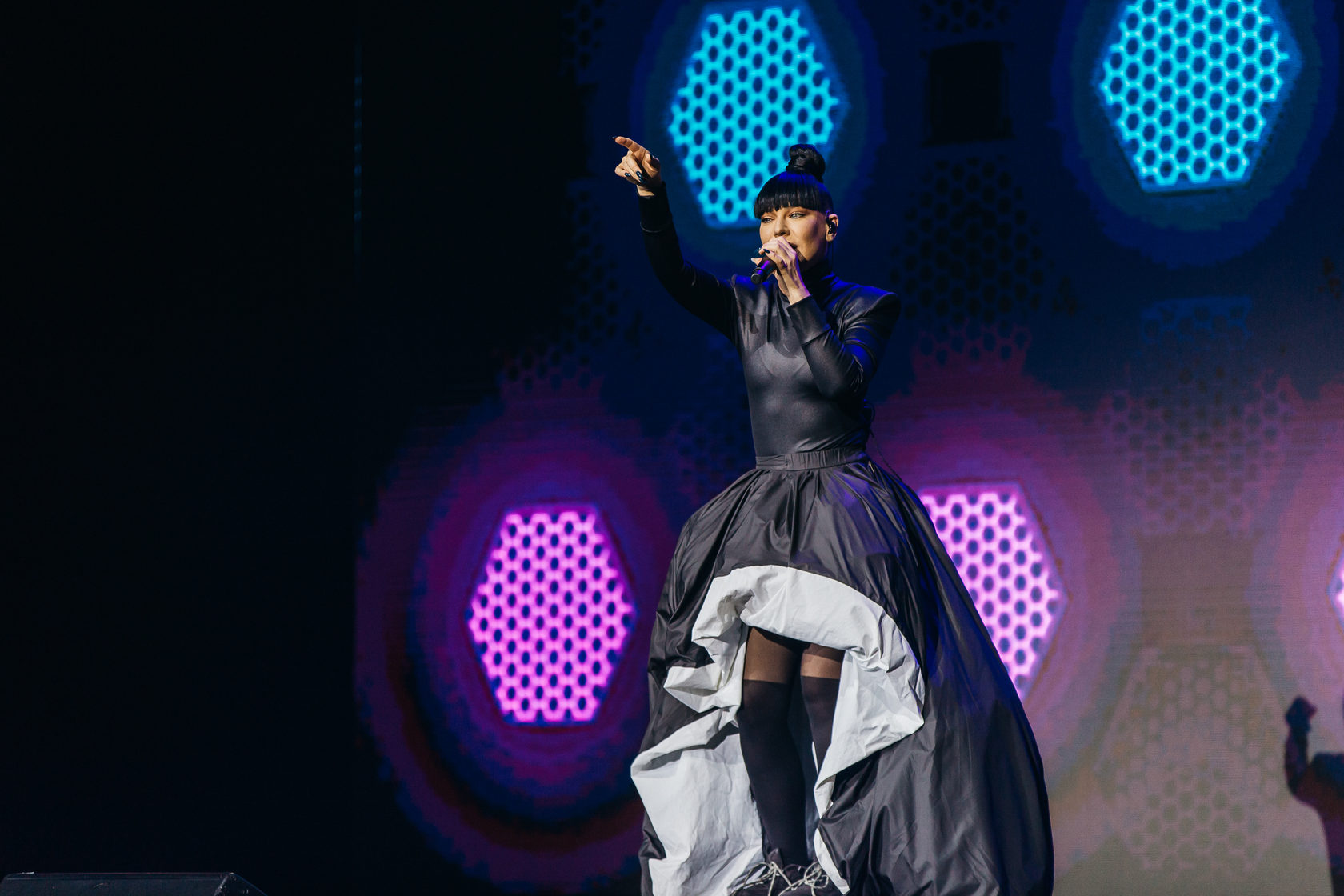
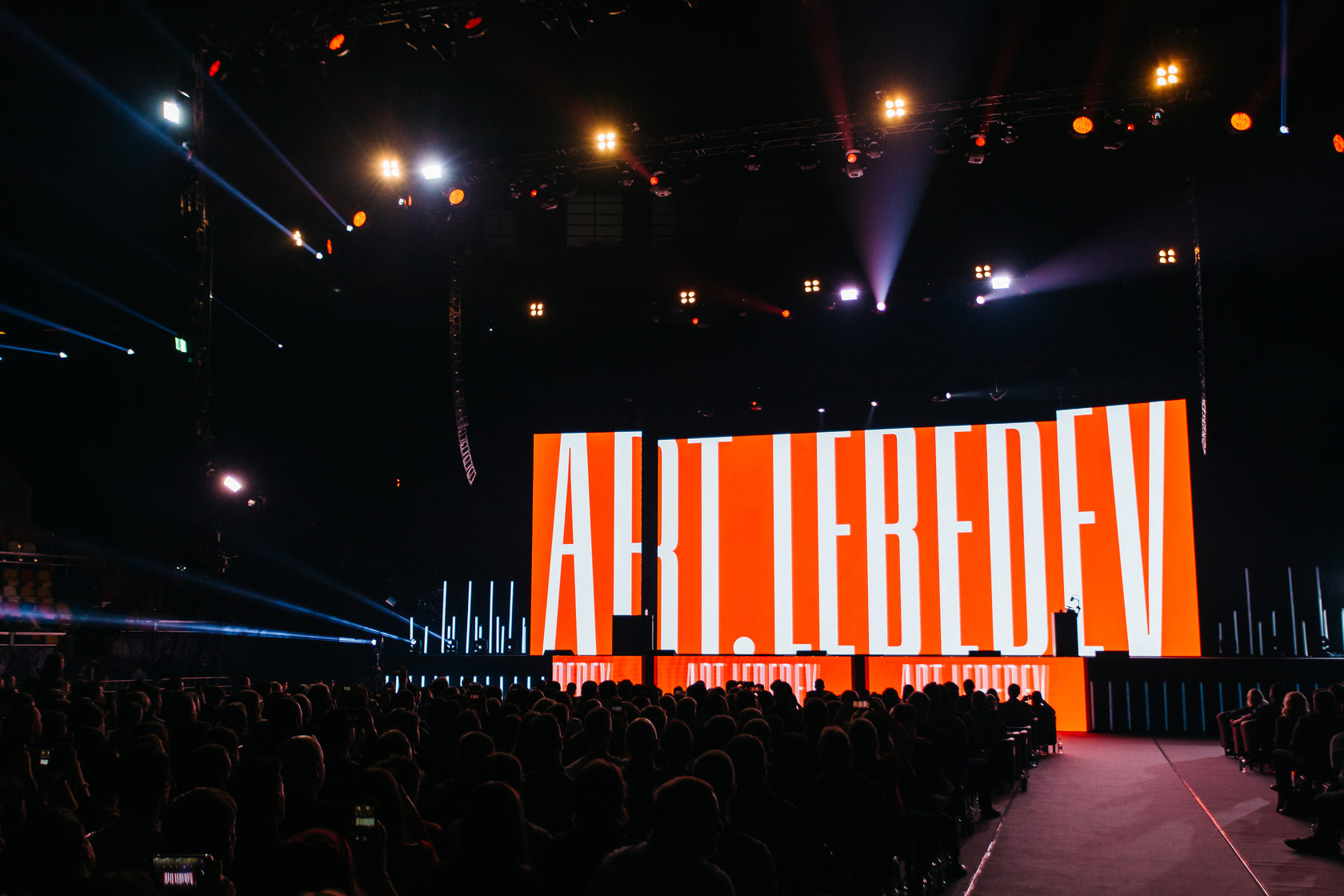
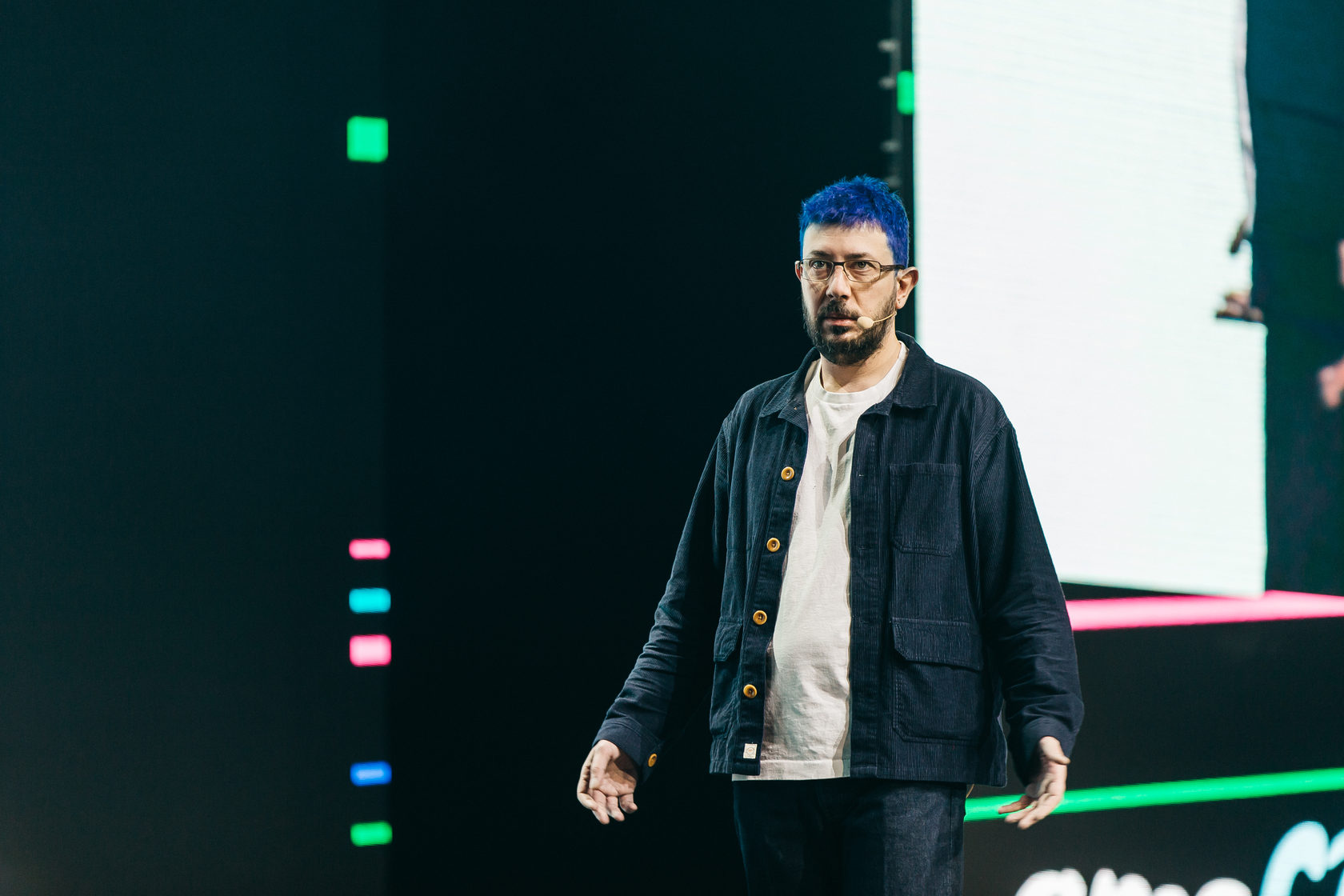
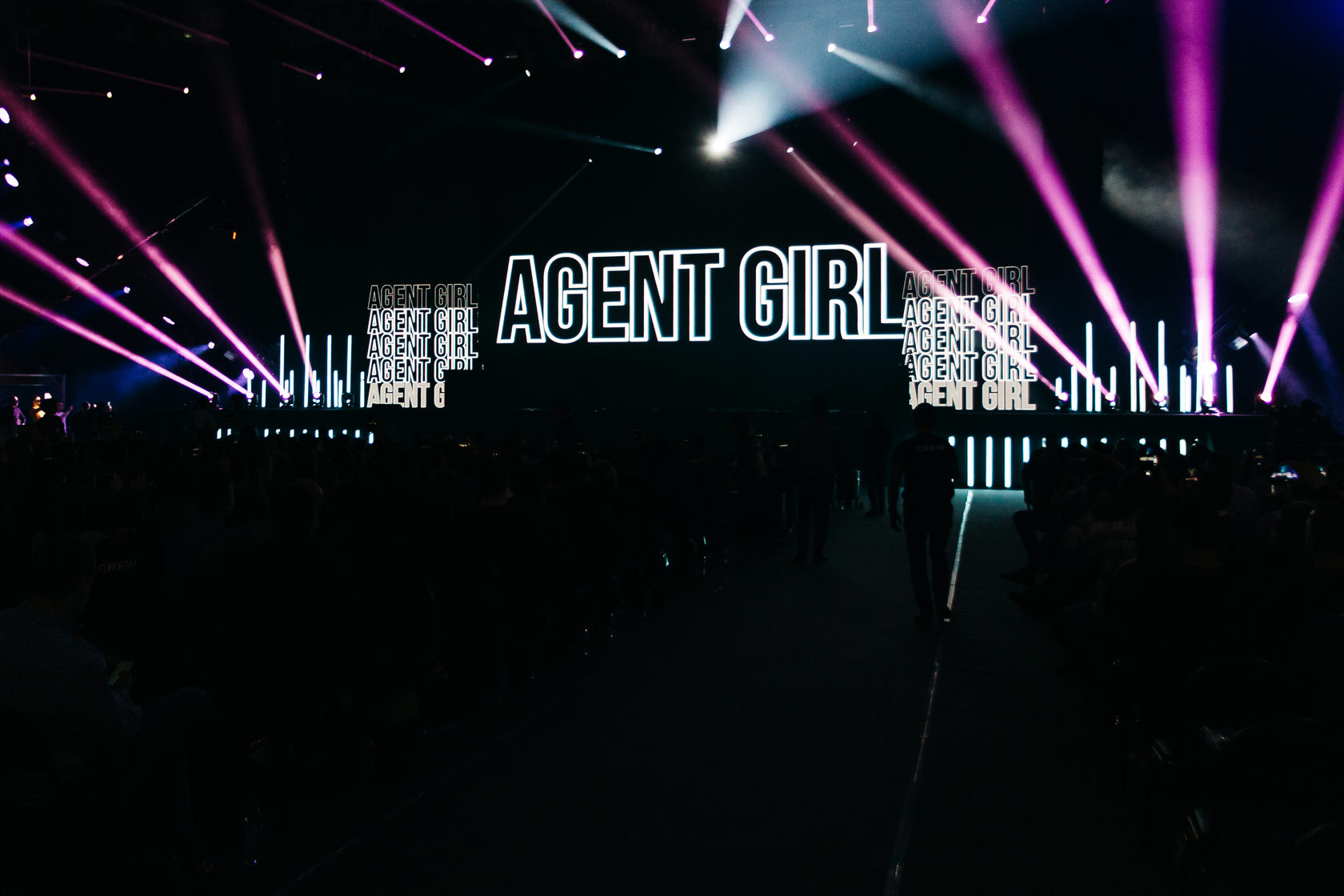
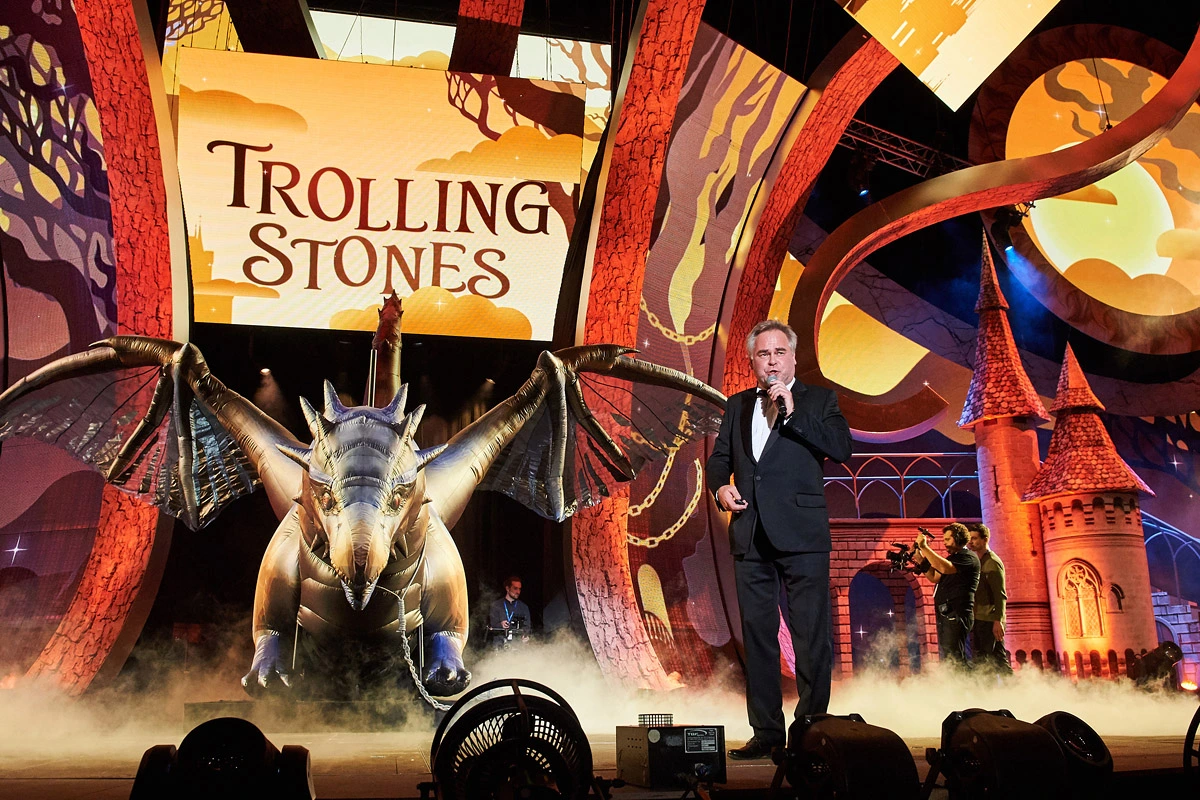
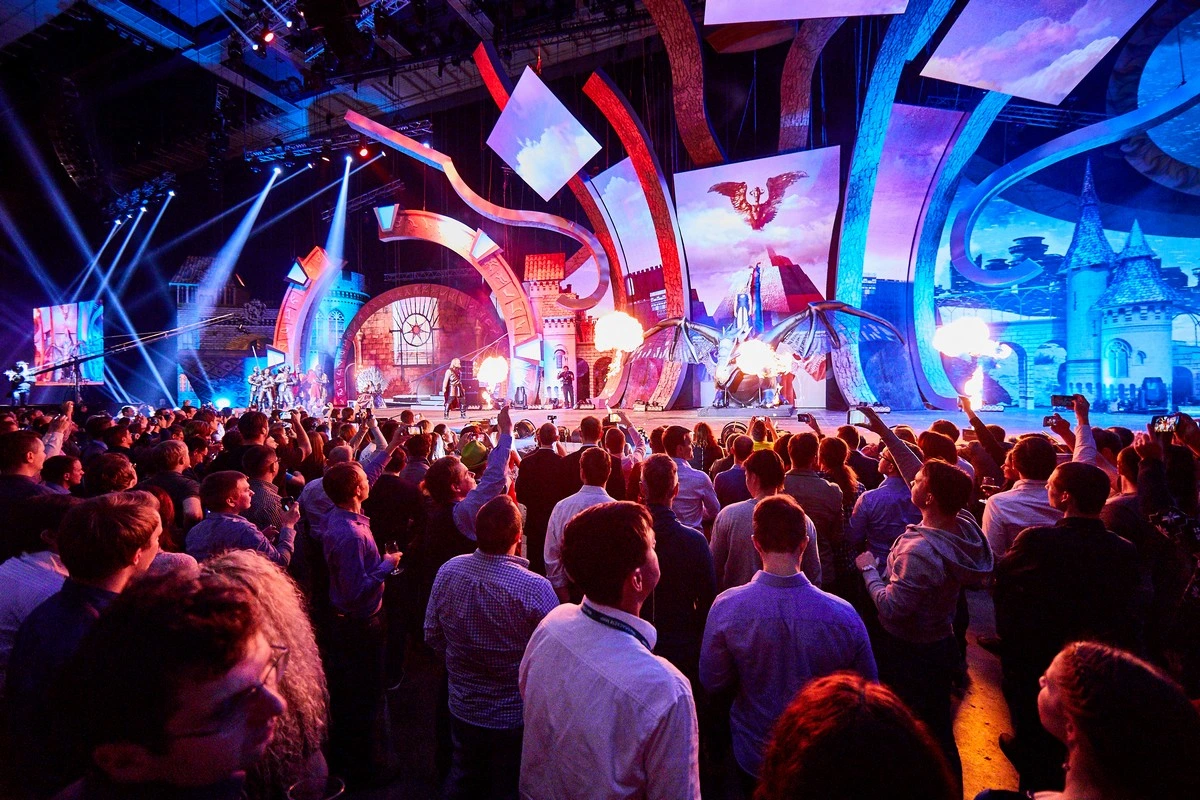
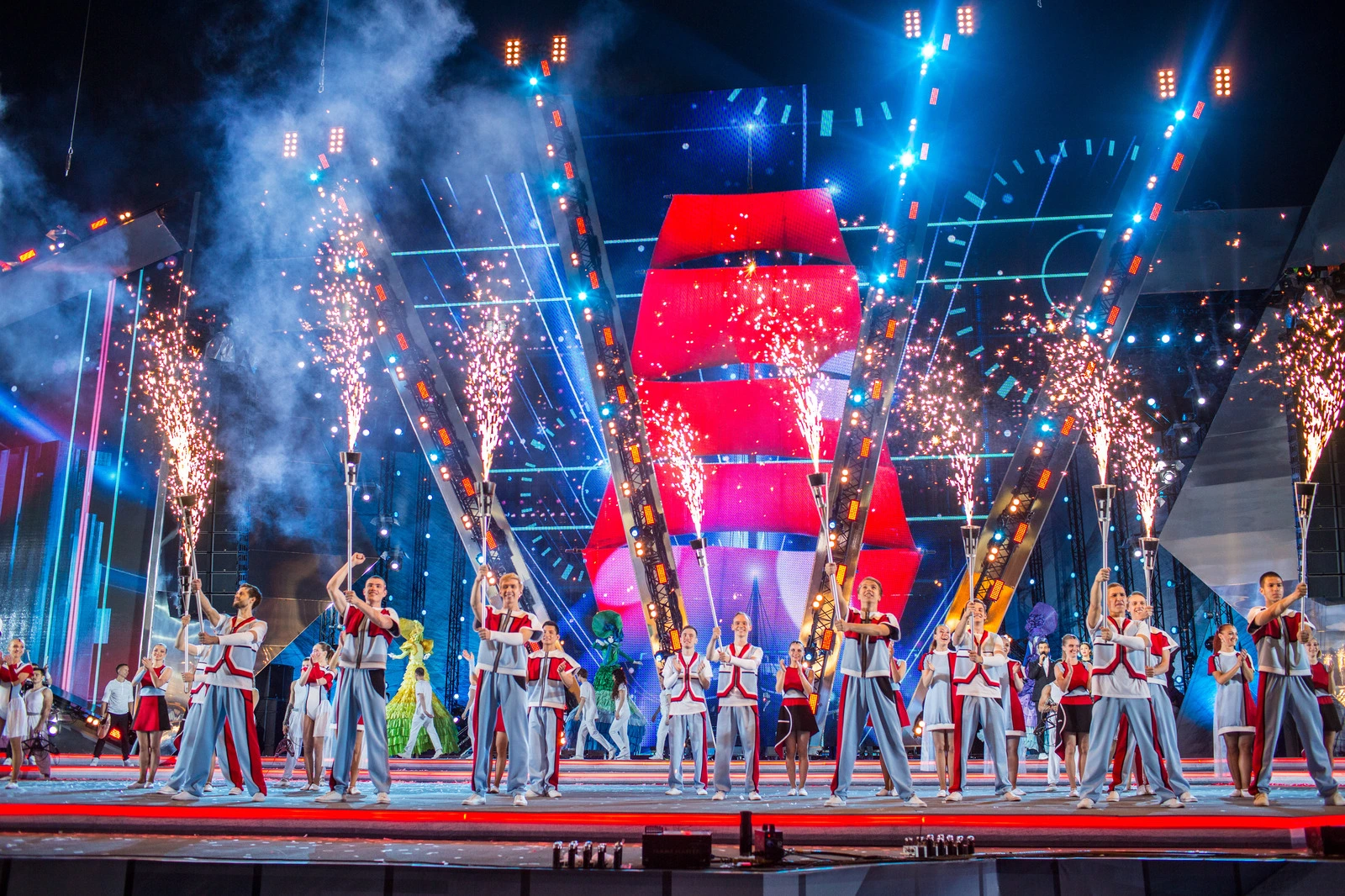
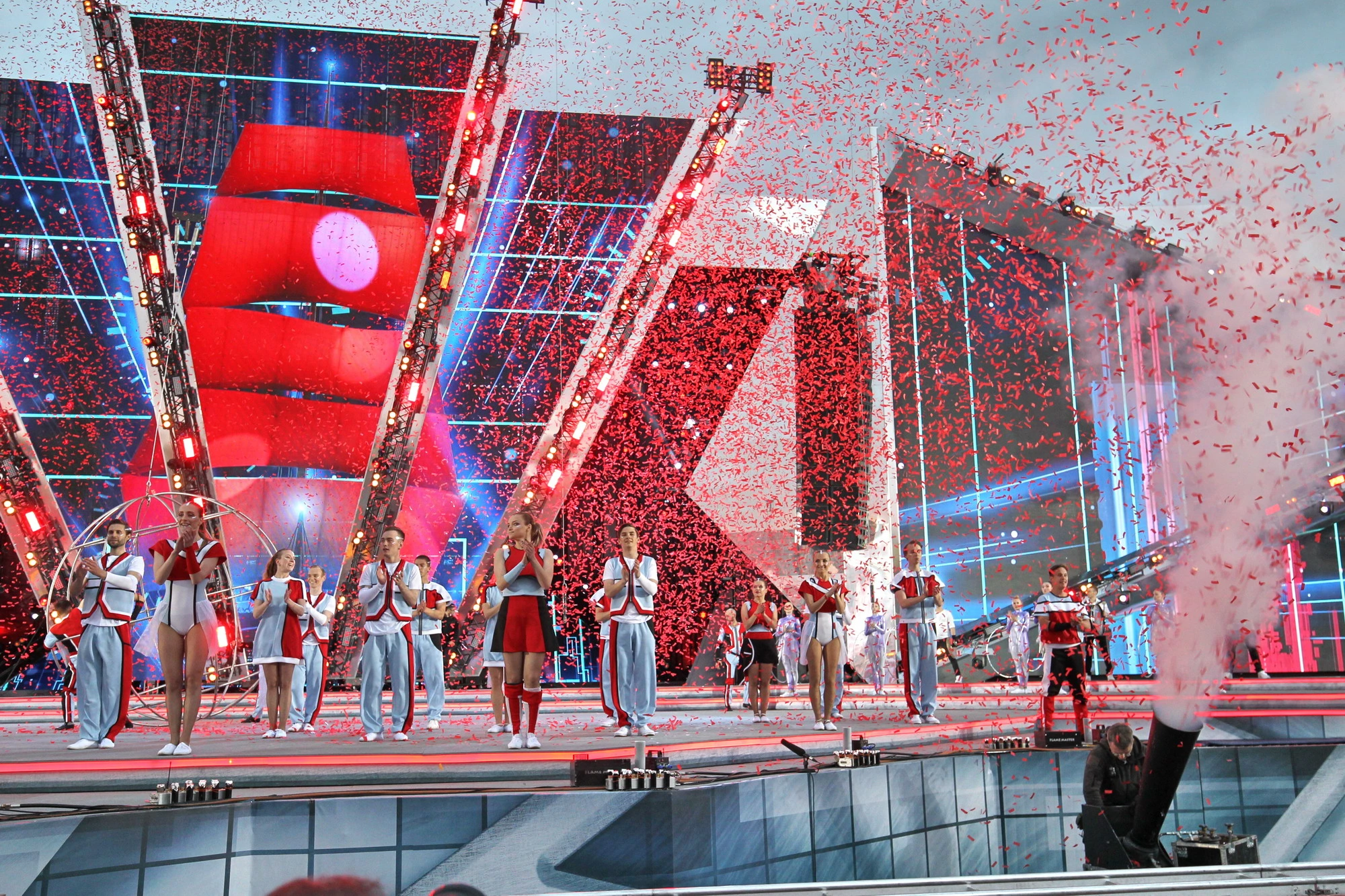
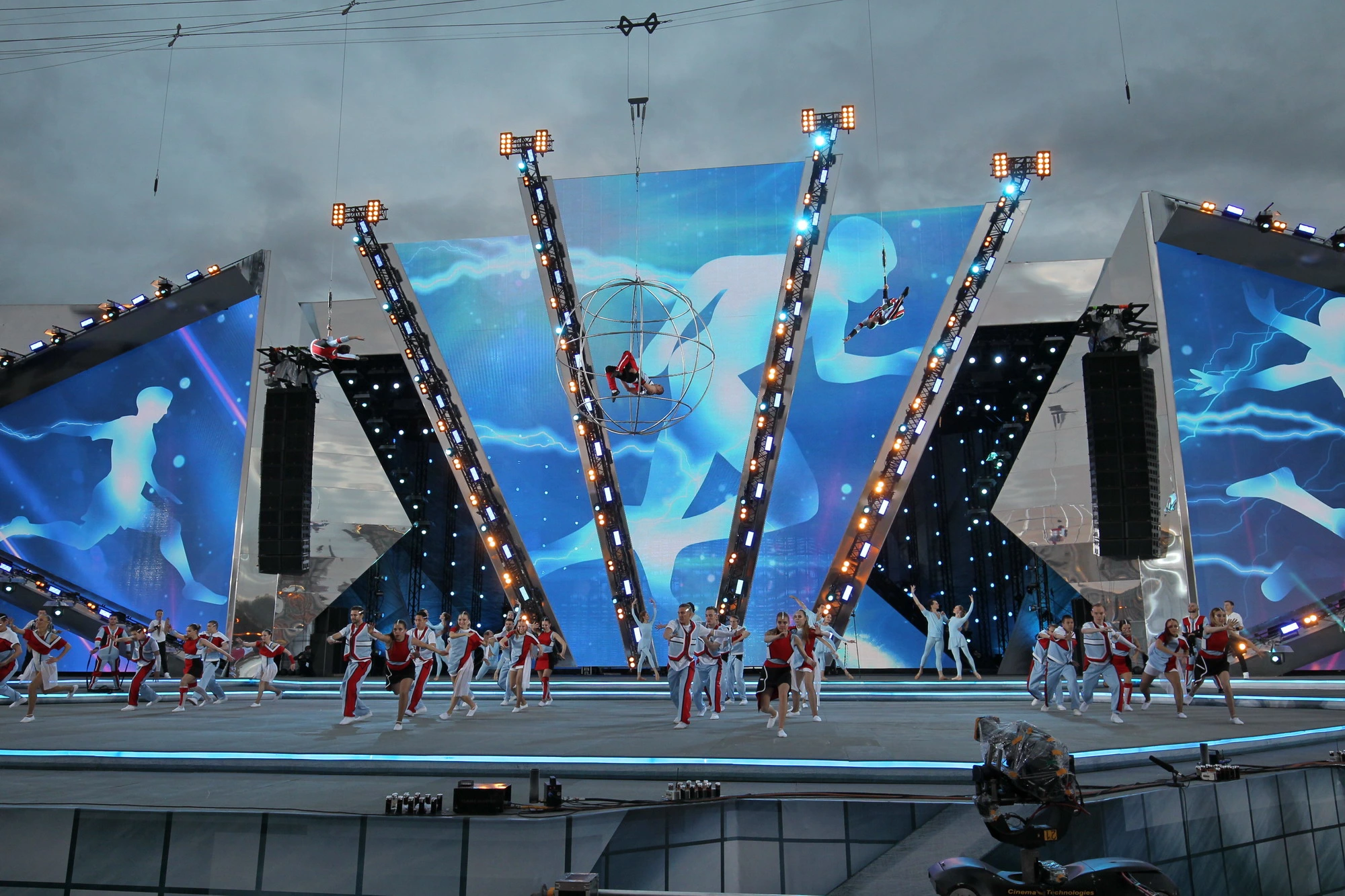
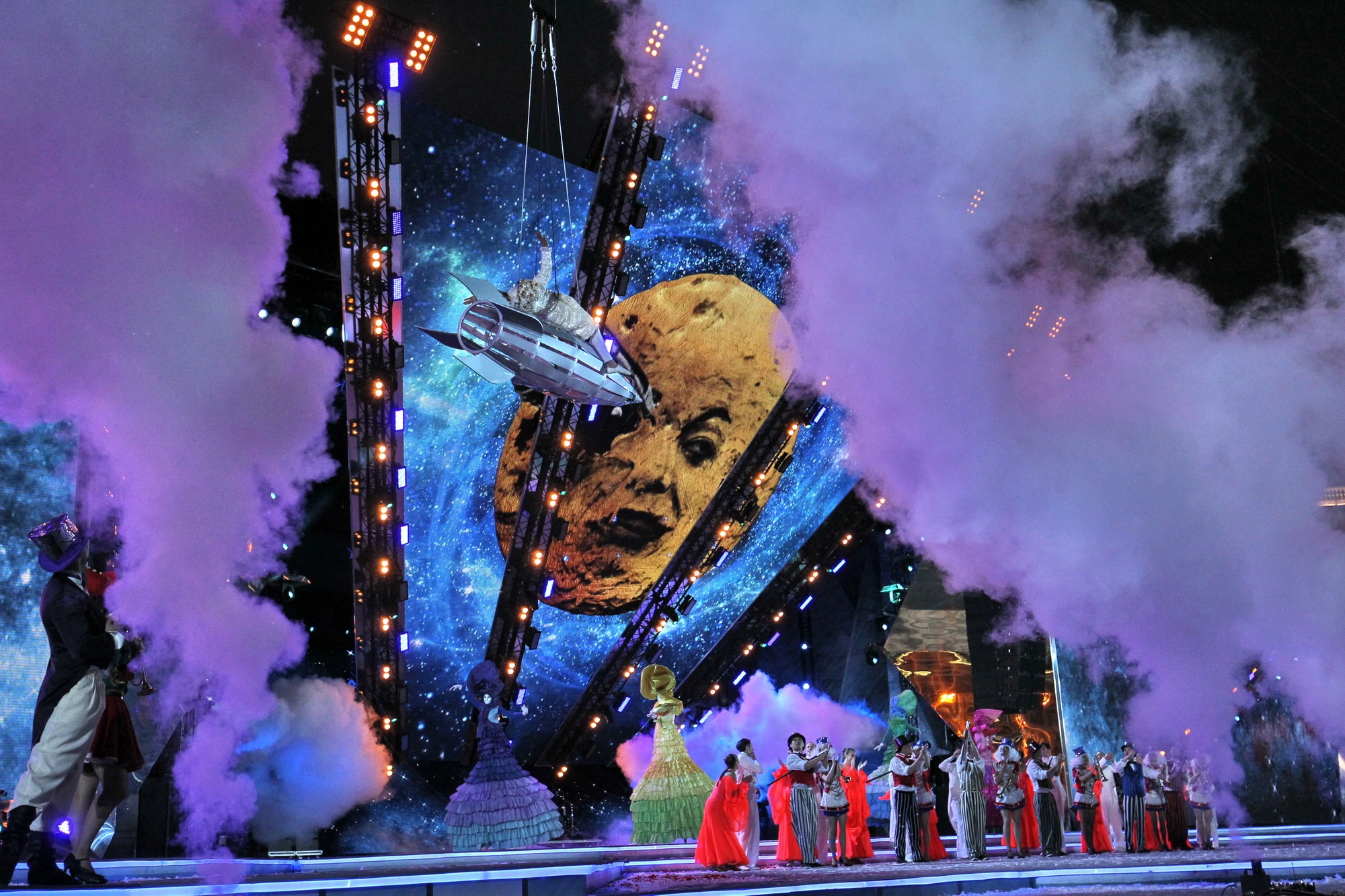
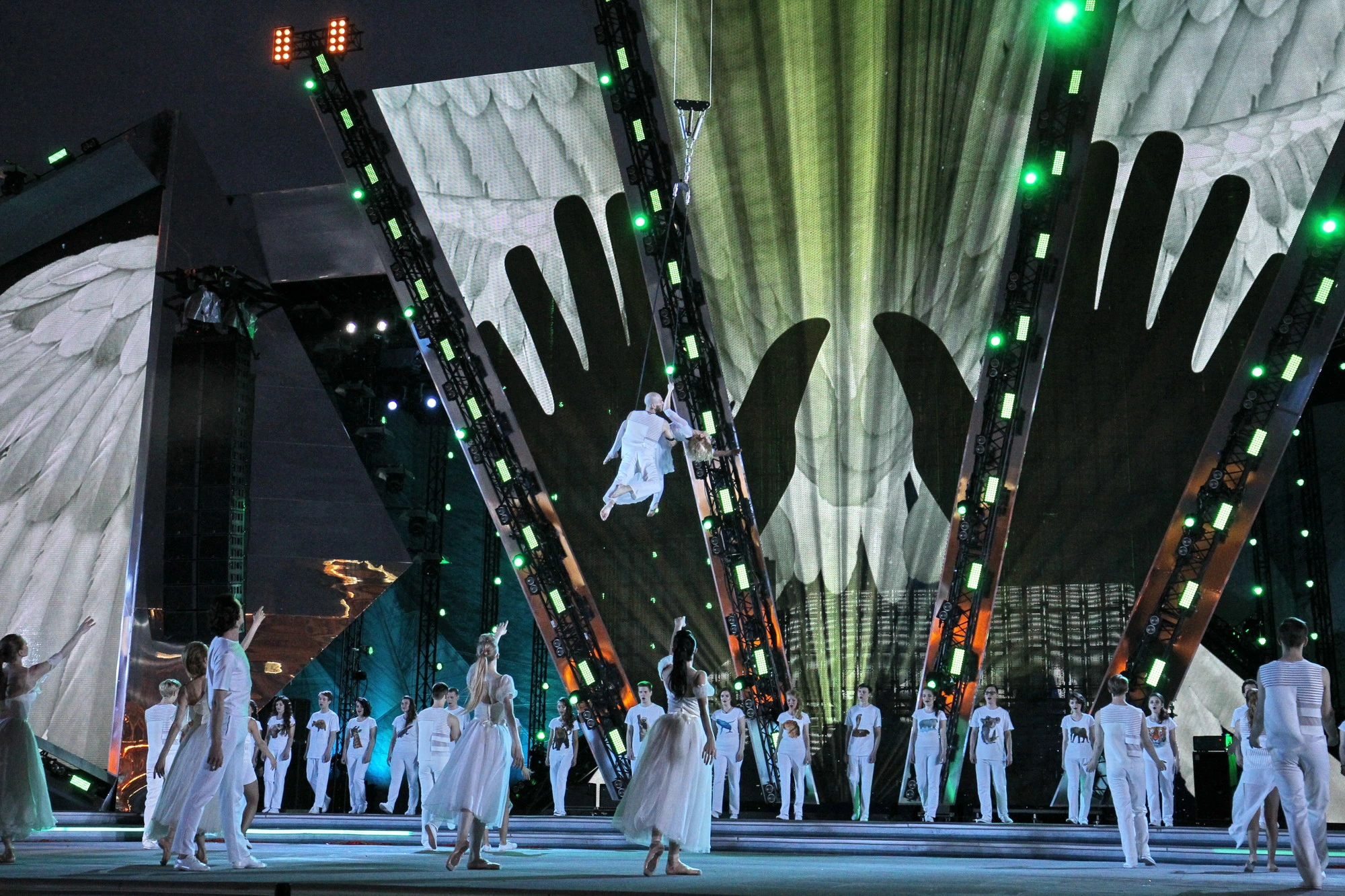
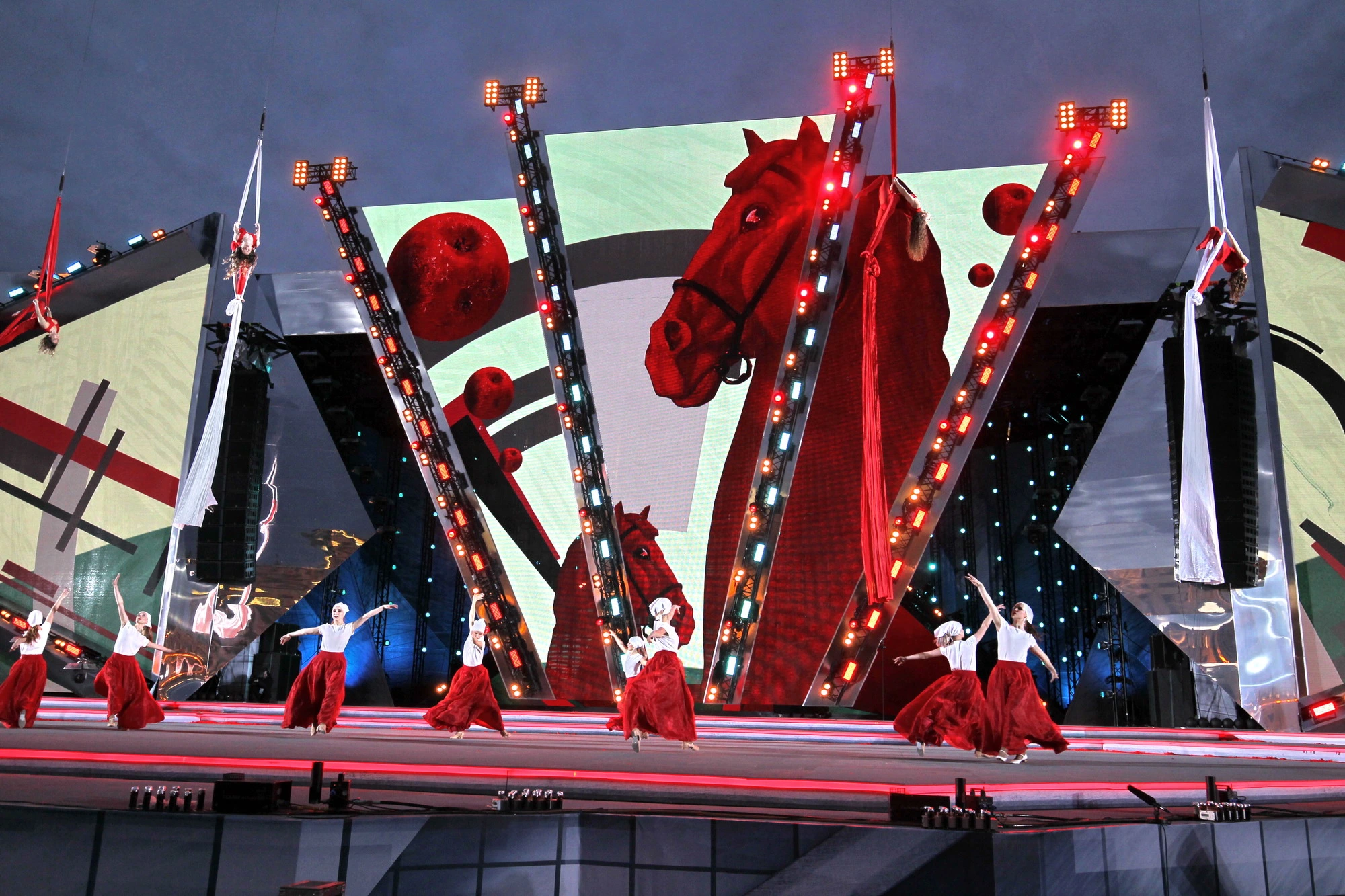
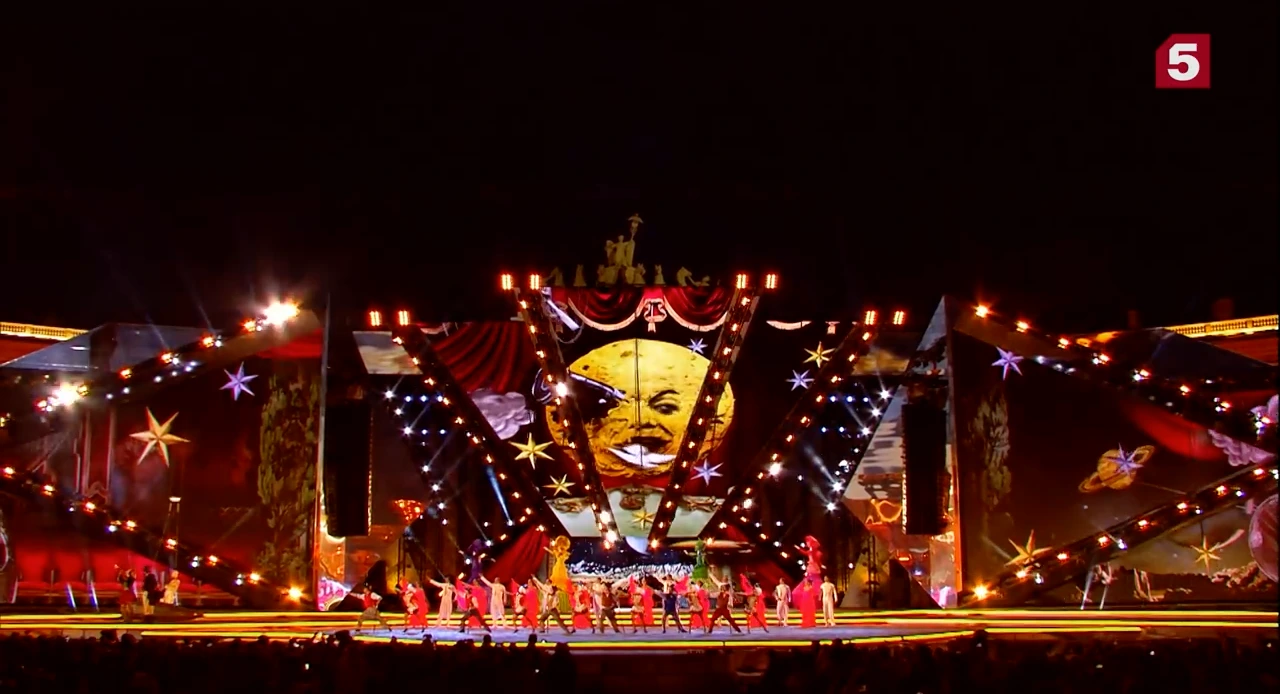
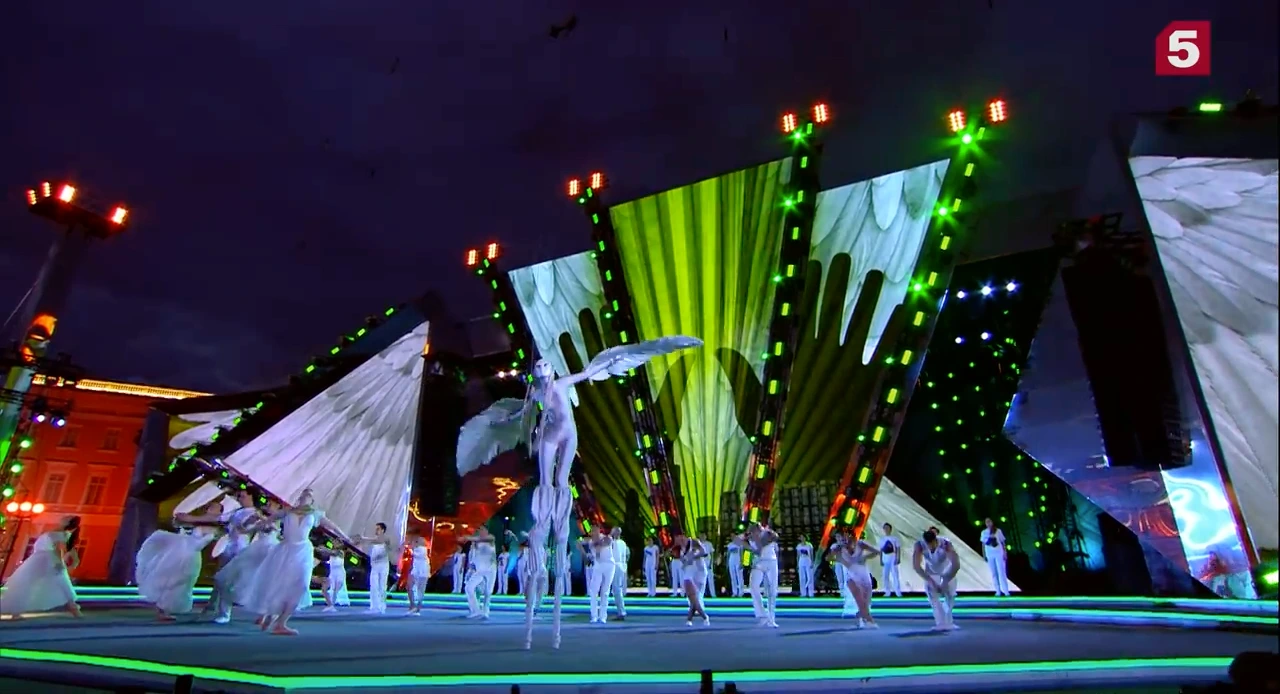
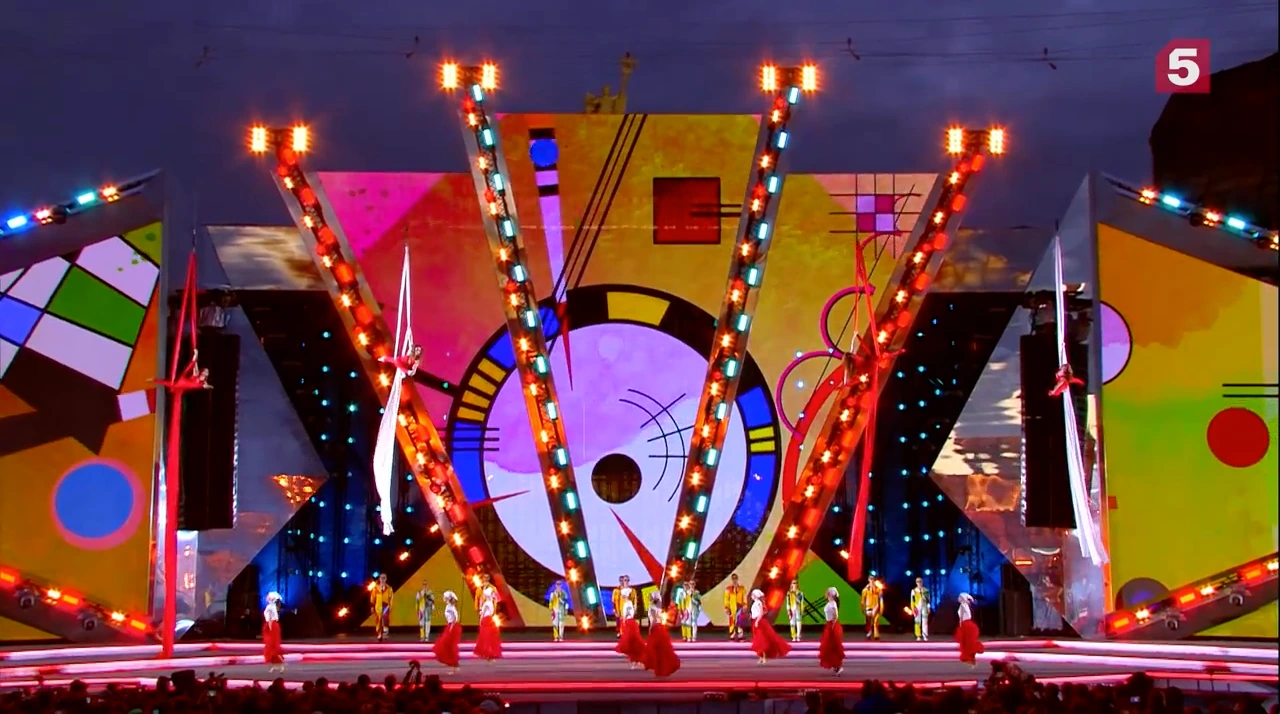
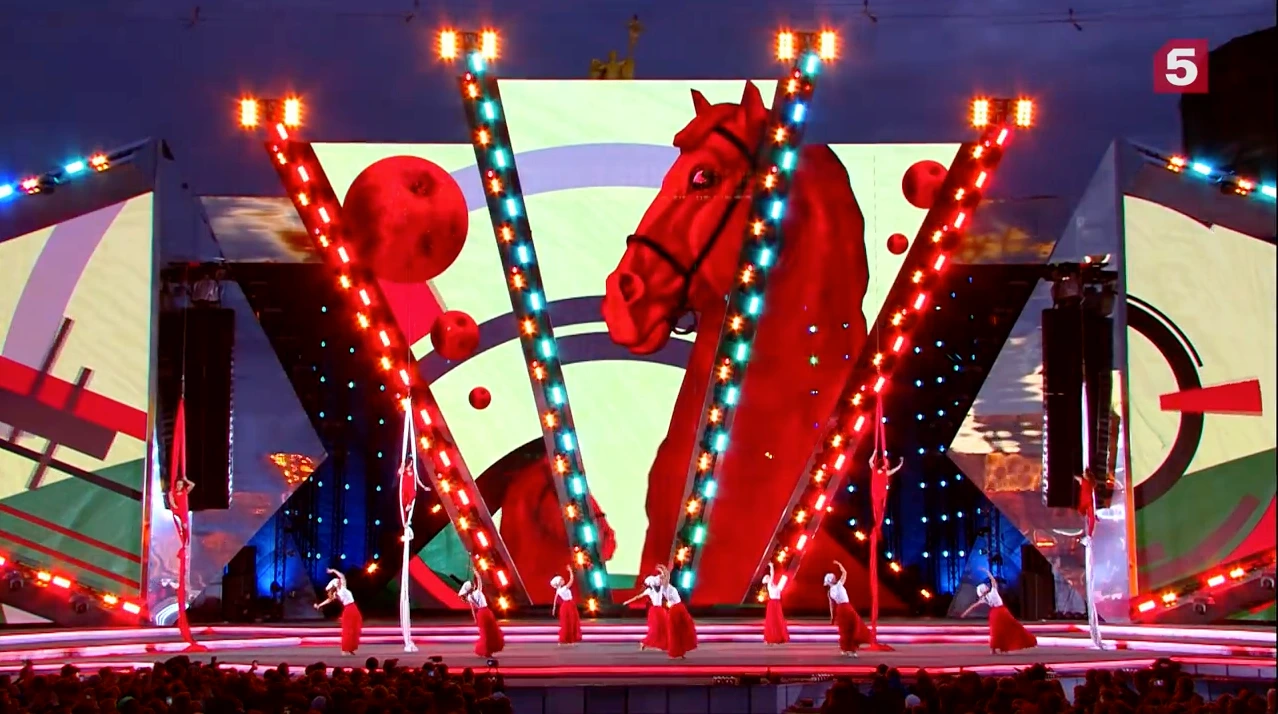
Expo Closing Ceremony in Astana
Feb 2017
Jul 2021
Jan 2023
Apr 2024

Skills

Organizational Design Cross-functional Team Leadership Good Vibes CG & VFX Pipeline Management Meetings That Actually End KPI & OKR Systems Process Optimization Data-driven Decision Making Best Slack Memes Stakeholder Alignment Change Management AI Adoption Budgeting & Cost Control Capacity Planning & Scheduling Quality & Delivery Standards Turning Chaos into Gantt Charts

Career

Personal
Achievements

Designed and launched a matrix management system across departments within 6 months

Identified and led cost optimization initiatives with 32% EBITDA uplift and −20% OPEX

Developed the structure of production units and KPIs within teams to facilitate the organic ×2 scaling of the studio

Created from scratch a studio knowledge base (100+ SOPs)

Mentored 2 coordinators and 7 producers to operate independently

Integrated AI tools to optimize processes across departments, reducing manual workload by 40%

Rose project margins from 20% to 45–60% by restructuring production pipelines and vendor relationships

Ensured 93% eNPS score across the team through culture-first operations and transparent communication

Ira's dog — mama's little helper
mama's little helper

Approach

Superpowers

Initiative & Strategic

When something isn't working, I go straightforward to the root. I get directly involved in rethinking how things are structured, and stay close to both the team and the business to make sure changes actually land.

Fast-Learner

I pick up new tools and domains fast, and put them to work immediately. I combine operations, production, and business thinking to find solutions that work across creative, technical, and client-facing contexts.

Multitasker & Leader

I hold a lot of moving parts at once without losing people in the process. I adapt my communication style to whoever I'm talking to, from artists to C-level, and lead by clearing the path, so the team can focus on the work.

Mentor

I build clear onboarding systems, so new people understand not just procedures, but how and why decisions get made. People I've worked with tend to grow faster than expected, and that's intentional.
Case Studies

Risk
Mitigation Cases

Five real situations. Each one required a clear head, a structured approach, and the ability to act before the problem became a crisis.

Situation

A live-action commercial required a complex CG character — a Kraken emerging from water to capture a pirate ship. After estimating, the client found the cost too high. Cutting other production elements wasn't an option.

What I did

Proposed a creative-production optimization: instead of animating the full creature, we'd show only 3–4 tentacles per shot. We approved with the client exactly how many tentacles appeared in each frame — enough to establish the character convincingly and show real physical interaction with the actors. Fewer tentacles meant significantly less animation work. The story, drama, and impact stayed completely intact.

Outcome

Budget approved. Animating 3–4 tentacles instead of 8 actually reduced CG complexity — no extra work for the team, no margin loss for the studio, no creative compromise for the client. They got the Kraken they envisioned, just smarter. This case became an internal reference for finding a win-win when budget and creative ambition collide.

Situation

A vetted freelancer — someone we'd worked with successfully before — was assigned a key production task. Status calls were consistently positive: "everything on track, will be ready by deadline". But dailies weren't coming through, visible progress was thin, and what did arrive didn't meet quality bar.

What I did

Instead of waiting for a last-minute crisis or hoping for a miracle, I brought in a second specialist to build the same asset in parallel. The first freelancer was recalculated to reflect their actual deliverable, so the cost of two artists doing one task stayed within the original single-artist budget.

Outcome

Project delivered on time with no crunch and no budget overrun. Two artists working the same task cost no more than one, because the first was paid for what they delivered. The lesson: past performance doesn't replace active monitoring, and a silent Plan B changes everything.

Situation

An internal DevOps/HR project stalled: the engineer reported to the CTO, but tasks were assigned by HR. Priority conflict led to no movement for 2 weeks.

What I did

Initiated a three-way alignment meeting: engineer, CTO, HR lead. Documented full scope and a shared Definition of Done. Built a phased Gantt with explicit ownership per stage. Introduced daily 15-minute standups until delivery. Ran MVP testing with an internal focus group before release. Made it structurally possible for three people with different reporting lines to ship something together.

Outcome

Project delivered in 3 weeks from the point of intervention with no over-engineering and no missed requirements. The cross-ownership model — CTO and HR co-sponsoring internal IT work — was documented in the knowledge base as an algorithm, preventing the same deadlock by design on future projects.

Situation

Team doubled from 30 to 60 people in 6 months. Leadership decided not to expand the back-office, with no new IT support or HR/Recruiter headcount. Volume of internal requests and freelancer sourcing grew proportionally. HR team was managing leave balances, overtime, salary changes, and employee records manually in spreadsheets — error-prone and time-consuming as the team scaled.

What I did

1. For IT: a Telegram bot with a guided troubleshooting flow and self-service system, pulling answers from the internal knowledge base, covering the most common issues without involving a support specialist.

2. For Recruiter: a structured freelancer database tagged by skill, tool, rate, and availability, letting producers find and book the right contractor independently, without going through a recruiter for every task.

3. For HR: initiated and led the development of an internal HRIS with the DevOps team: defined requirements, documented scope, facilitated alignment between HR and engineering, and oversaw delivery. The system gave HR a centralised dashboard to track leave balances (vacation and sick days), monitor overtime, log compensation changes, update tenure, and maintain full employee records — all without manual spreadsheet work.

Outcome

Back-office load stayed flat despite team doubling. No additional admin headcount was needed — OPEX kept in check while delivery capacity scaled.

IT bot cut 40% of routine manual requests.

Producers reduced freelancer sourcing time from days to hours.

HR moved from manual spreadsheets to a self-service dashboard. Time spent on routine data management dropped by 60%. Data accuracy improved — no more version conflicts or lost entries. HR could focus on people work rather than admin.

Situation

As the studio grew, three bottlenecks kept surfacing: incoming client requests required too much back-and-forth before a producer could even qualify them; document flow (contracts, briefs, invoices) was manual and inconsistent; and internal operational data was scattered across tools. Leadership couldn't get a quick picture of the business without pulling from five different sources.

What I did

1. Client intake: Built a Telegram bot via n8n integrated with the studio CRM. The bot collects full project specs from prospects (budget, timeline, style refs, deliverables), automatically sends the company deck and 3 relevant case studies matched by keywords, and generates pre-filled Asana cards.

2. Contractor finance docs: Automated document flow via Airtable + Zapier. Contractors submit documents once via a form; OCR extracts key data (amounts, dates, tax IDs) and auto-fills the Finance Base. Missing documents are flagged automatically with alerts to producers via Telegram or email.

3. Finance & ops dashboard: Built a custom ERP system to unify operational data: project tracking, financials, team load, and reporting — in a single interface built specifically for a CG studio's workflow. Defined requirements, documented scope, built MVP via Codex and Claude Code.

Integrated role-based access:
• producers see their project budgets and team load;
• HR track leave balances, overtime, and compensation history;
• CFO gets cross-project P&L and cashflow;
• CEO has a single control panel aggregating all of the above.

Data from separate tables, projects, and departments feeds into one place — no more pulling reports manually or reconciling conflicting spreadsheet versions.

Outcome

Client intake: 2h → 10 min (−90%)

Contractor finance admin: 15h → 45 min/month (−95%)
No finance manager hire needed for document processing

CEO and CFO have real-time cross-project visibility without requesting reports.

Back-office headcount: unchanged.

Selected Work

Projects

Project Types

Showreel

Showreel

Commercials

Winline — Cashback

Mastercard

Tele2 — Wave

Tele2 — Treasures

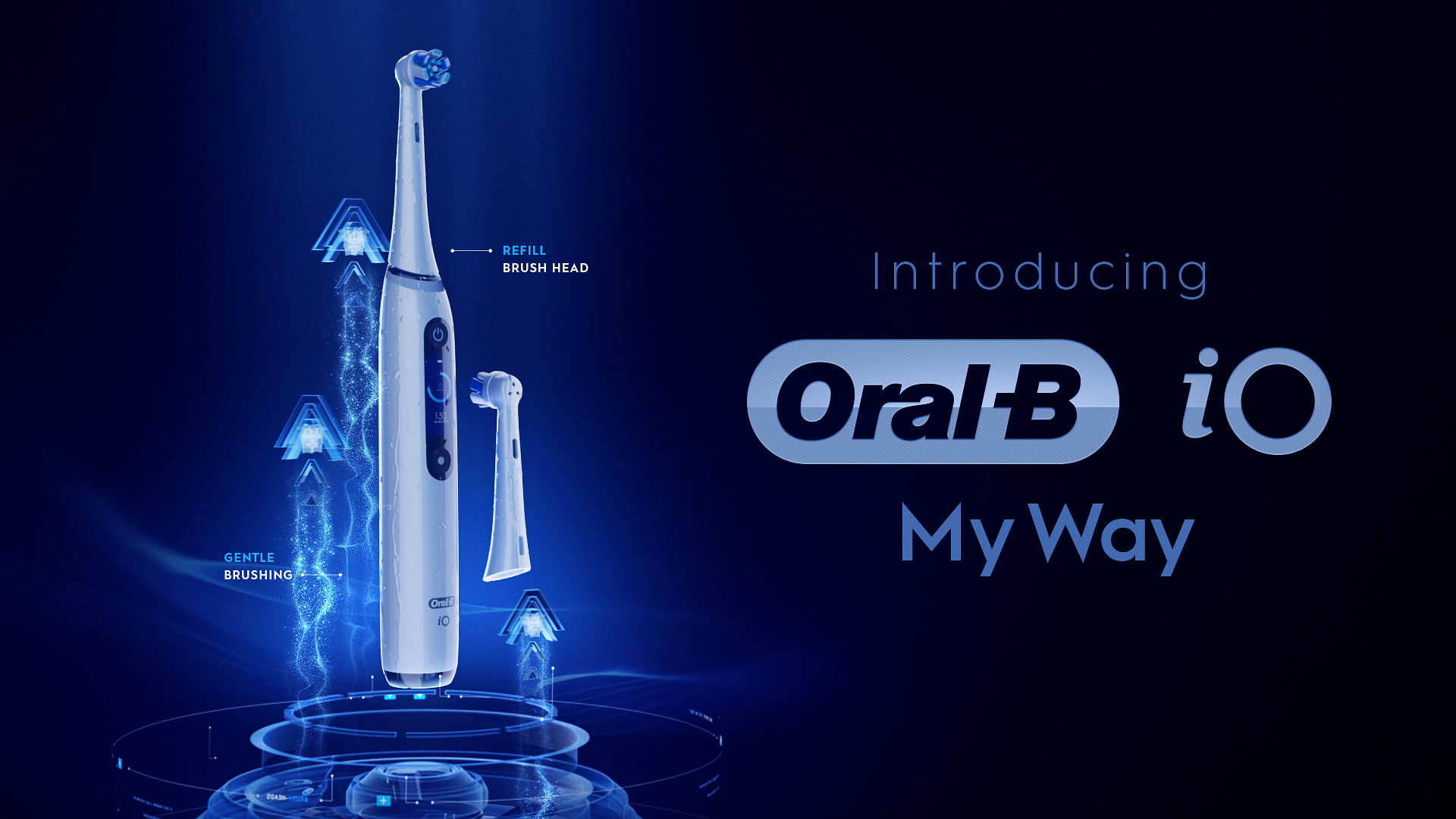
Oral B — Design Concepts

Rolf Ultra

Sber 120

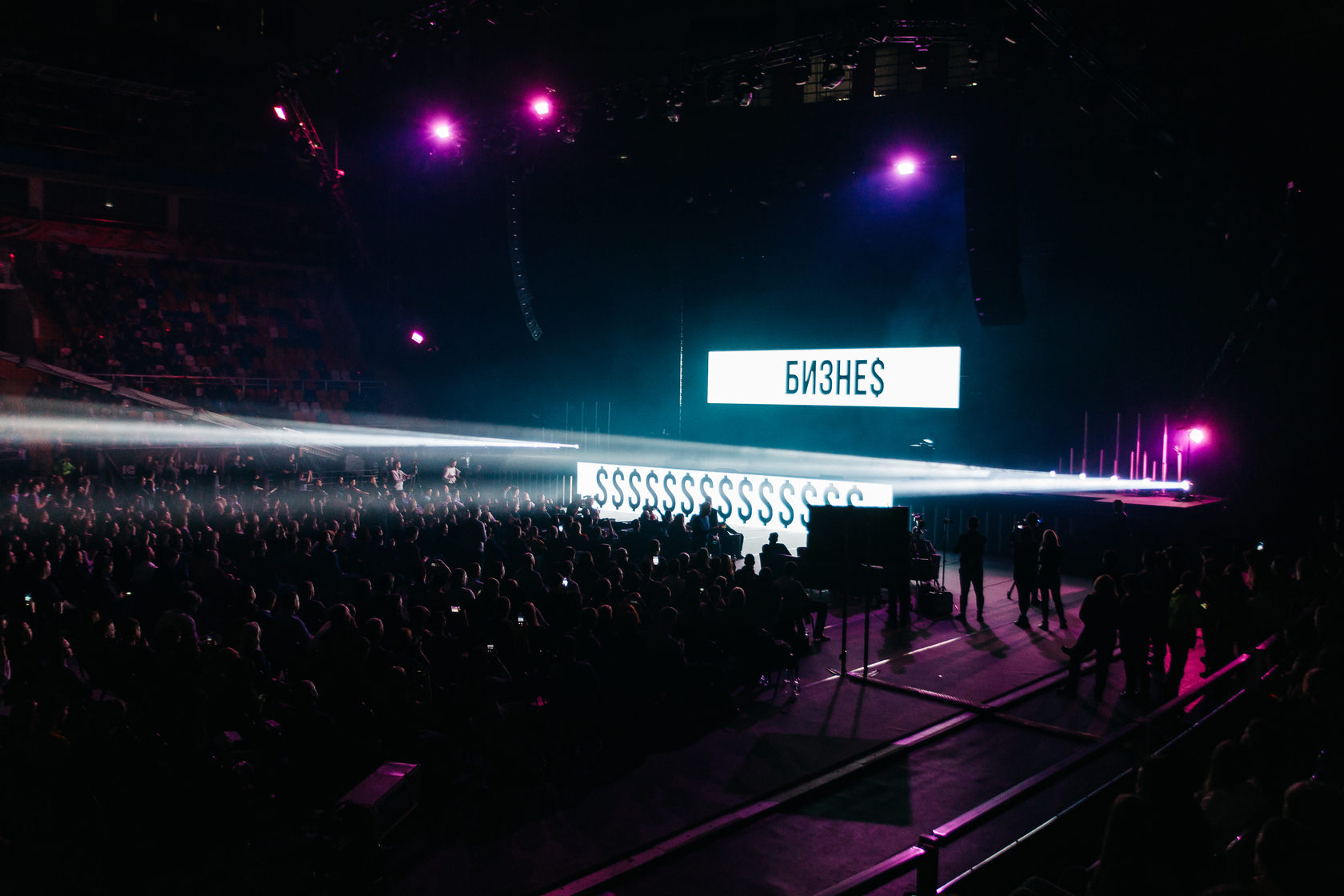
Sber Business

OZON

OZON

Winline — Qatar Cup

Winline — Qatar Freebet

Tinkoff Mobile City

Avito

Dobry OLV

Bepanthen

Winline — Shine Sunrise

Winline — Shine Zenith

Movies and
Documentaries

Major Grom: Plague Doctor — Title Sequence

Tatarstan Documentary

Oxxxymiron — Music Video

Oxxxymiron

DVV Entertainment

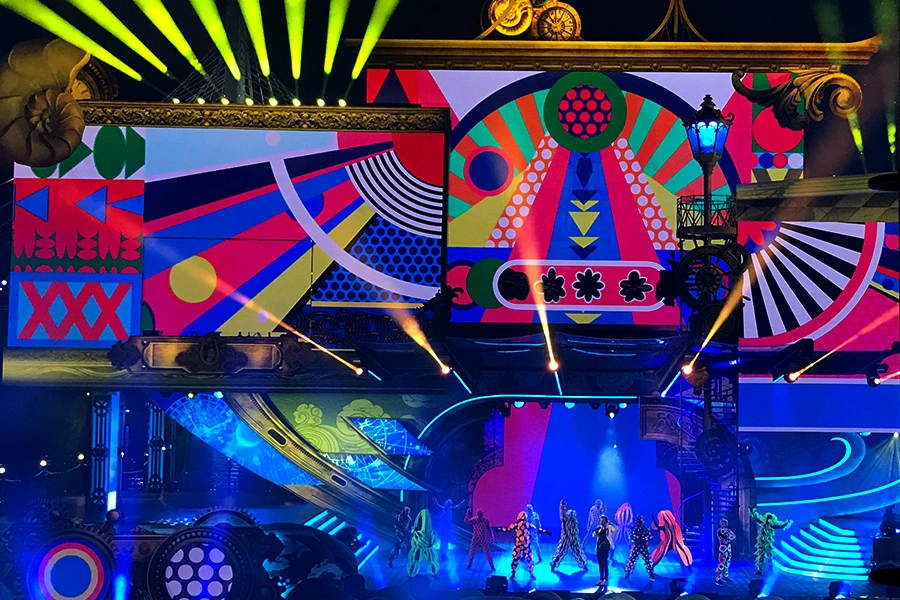
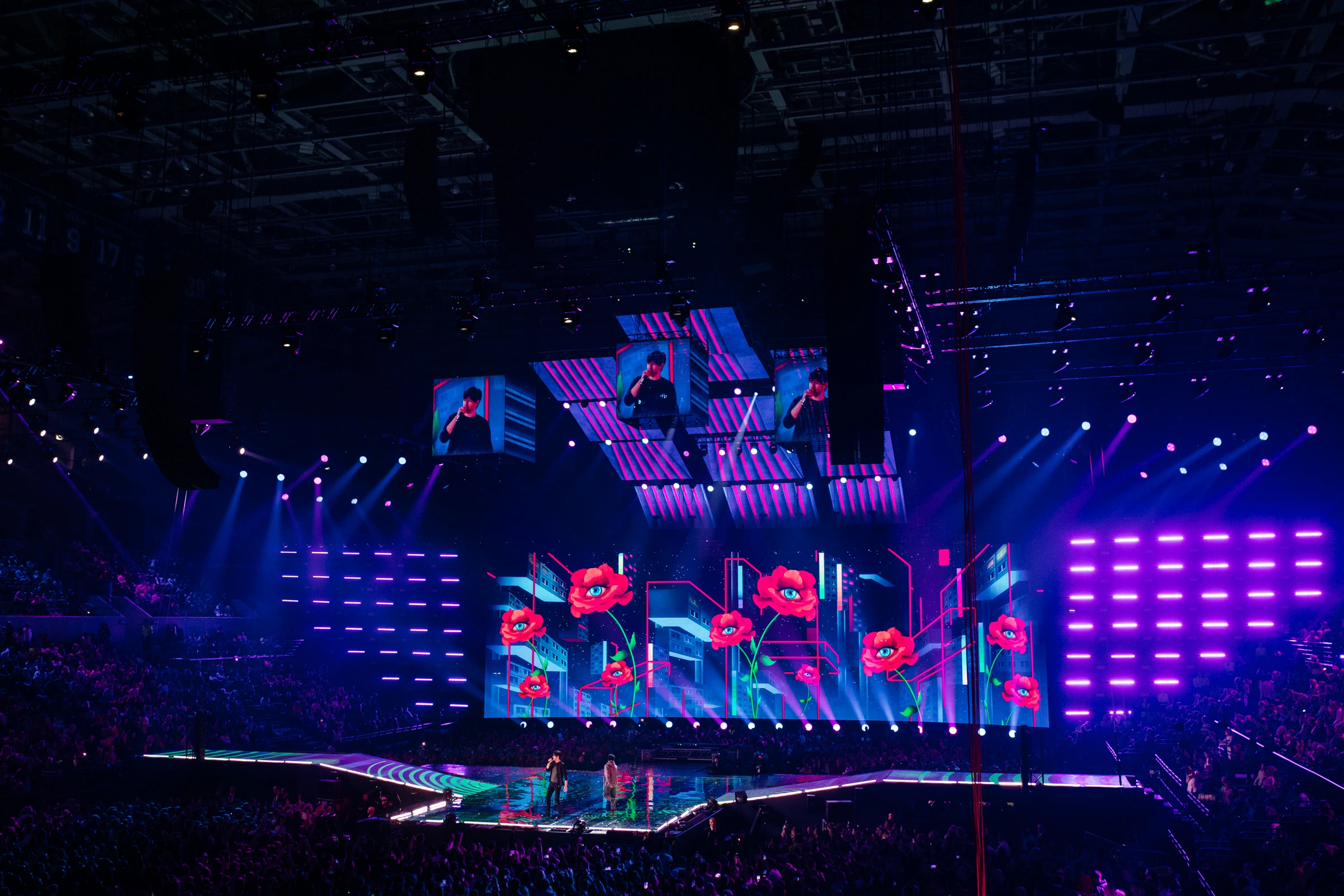
Events &
Projection Shows

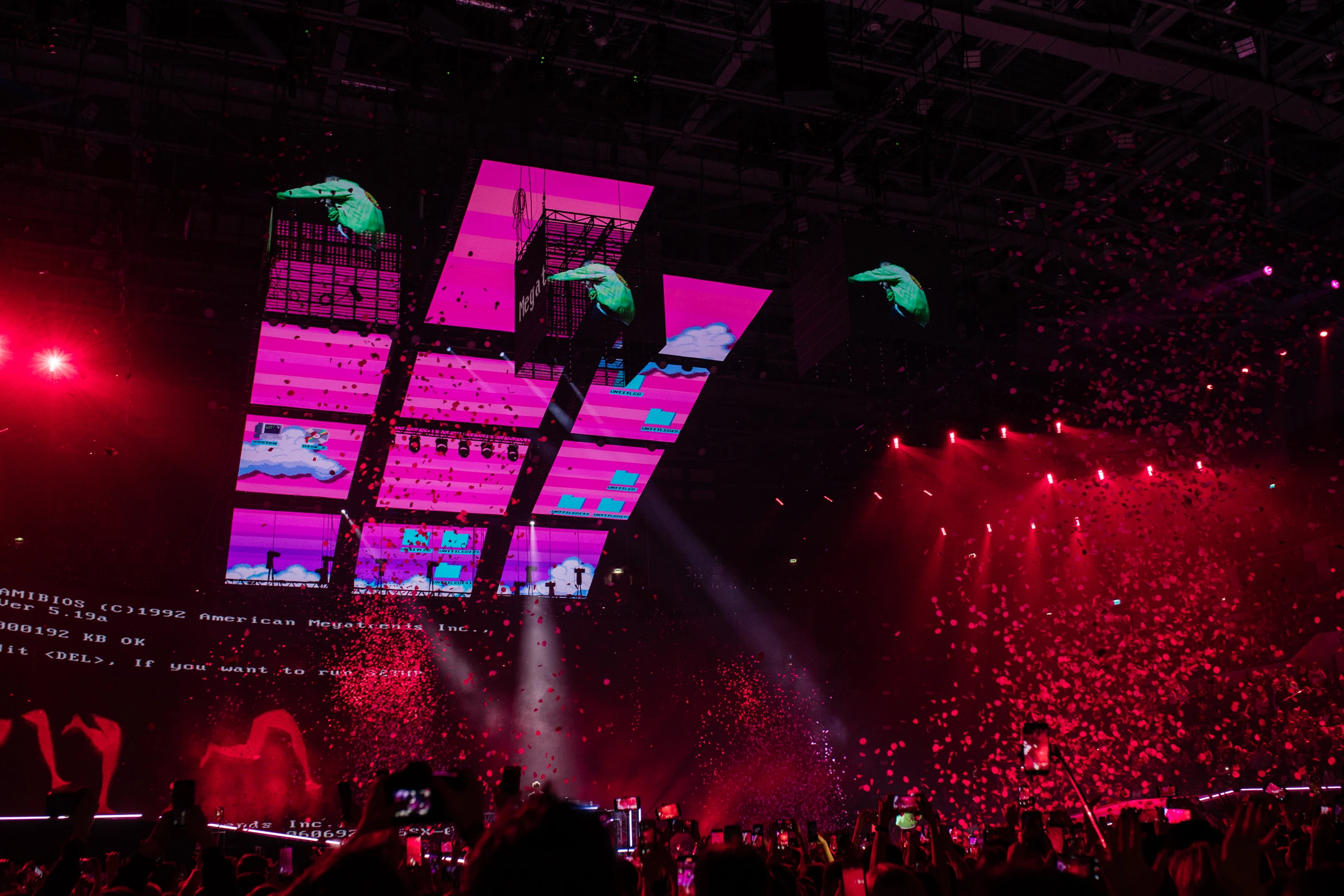
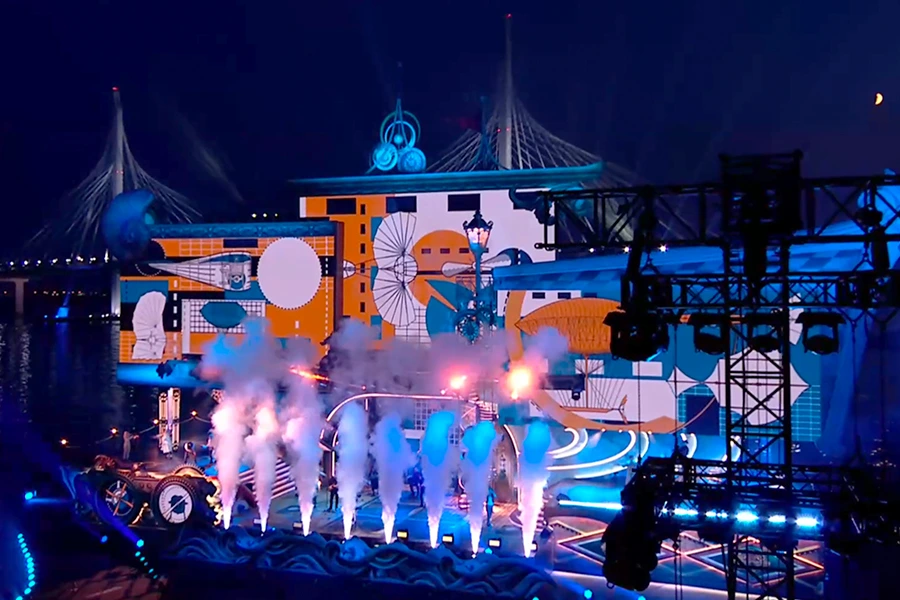
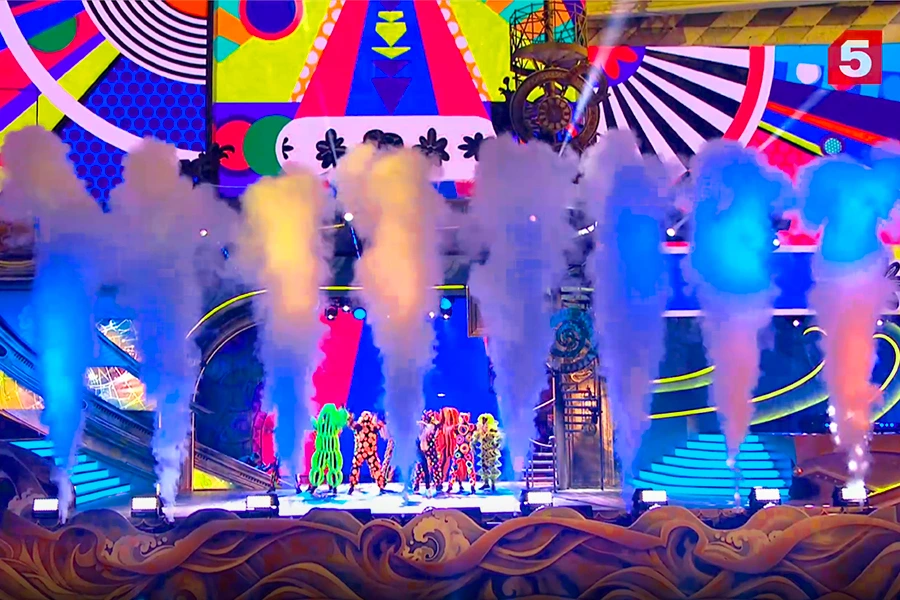
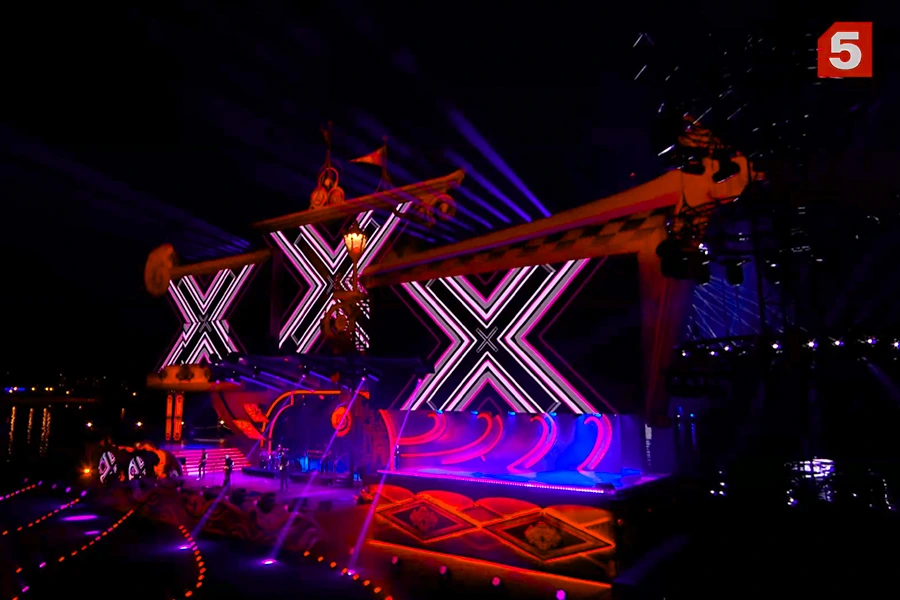
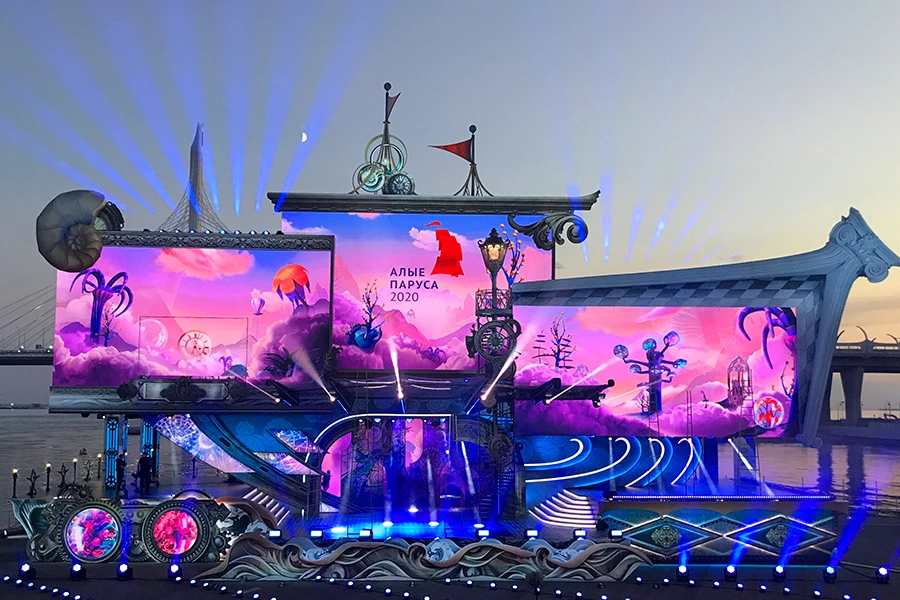
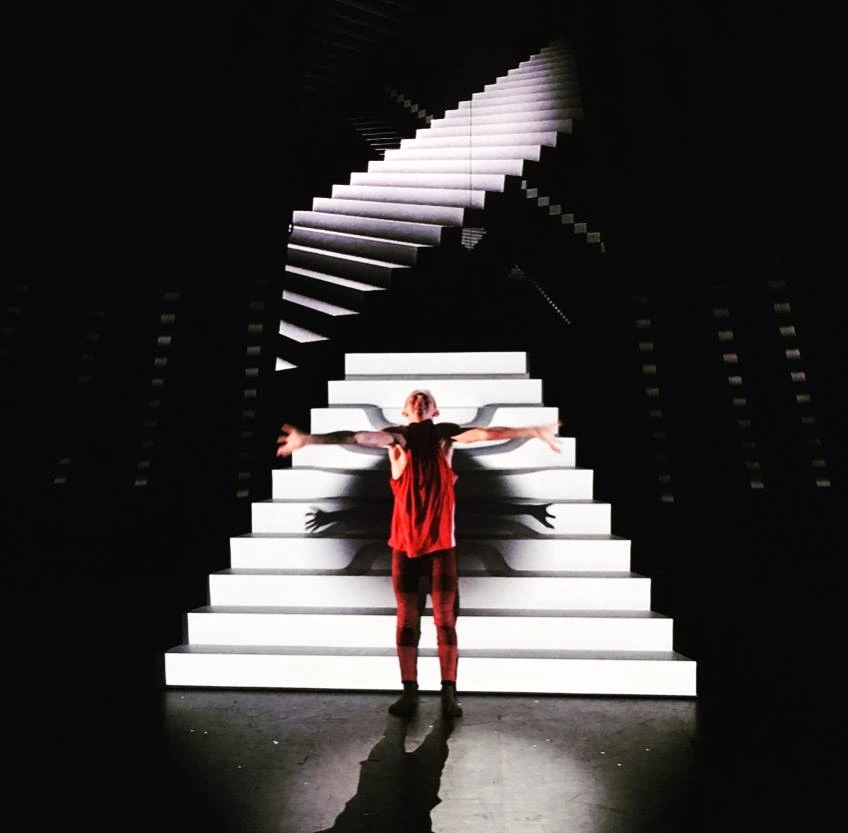
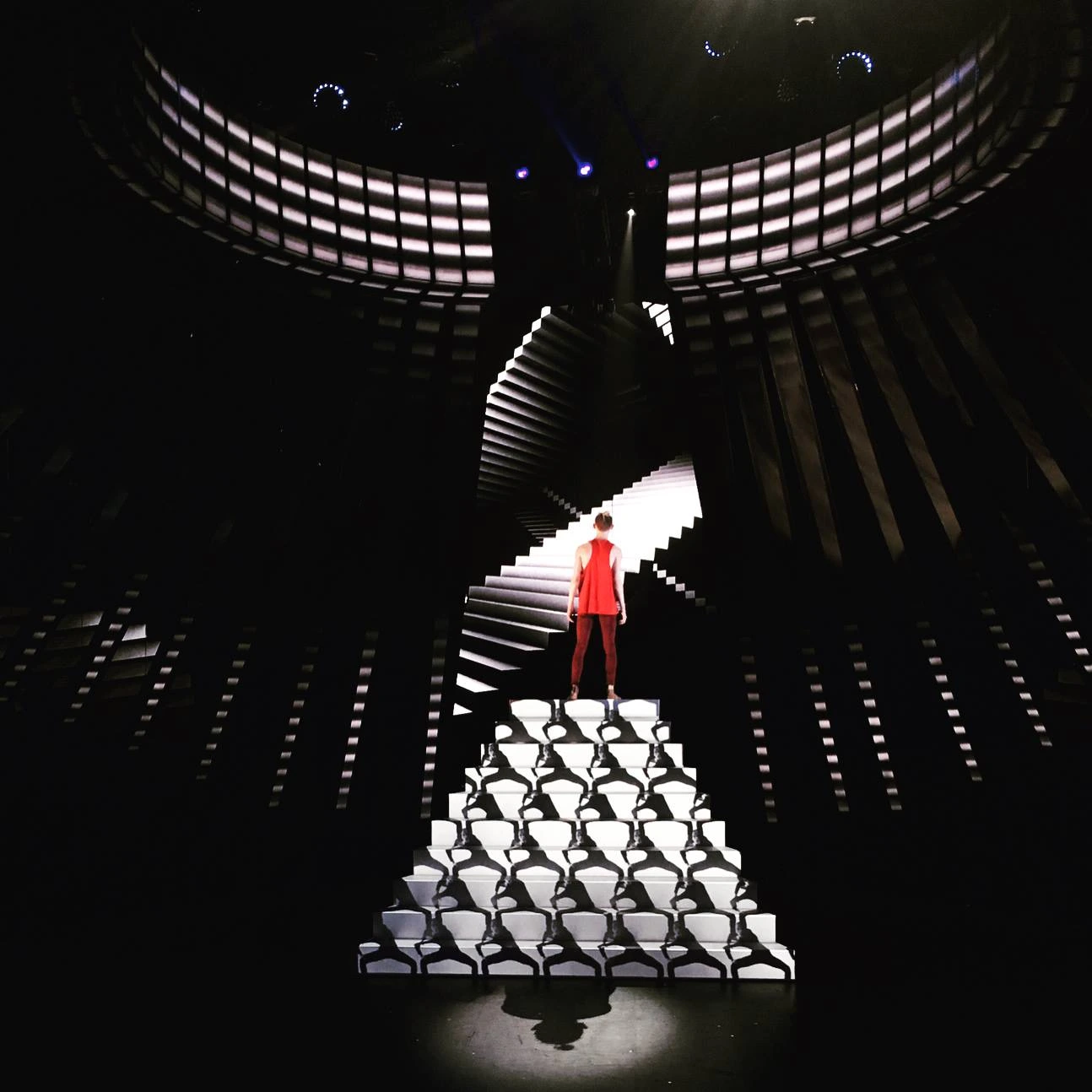
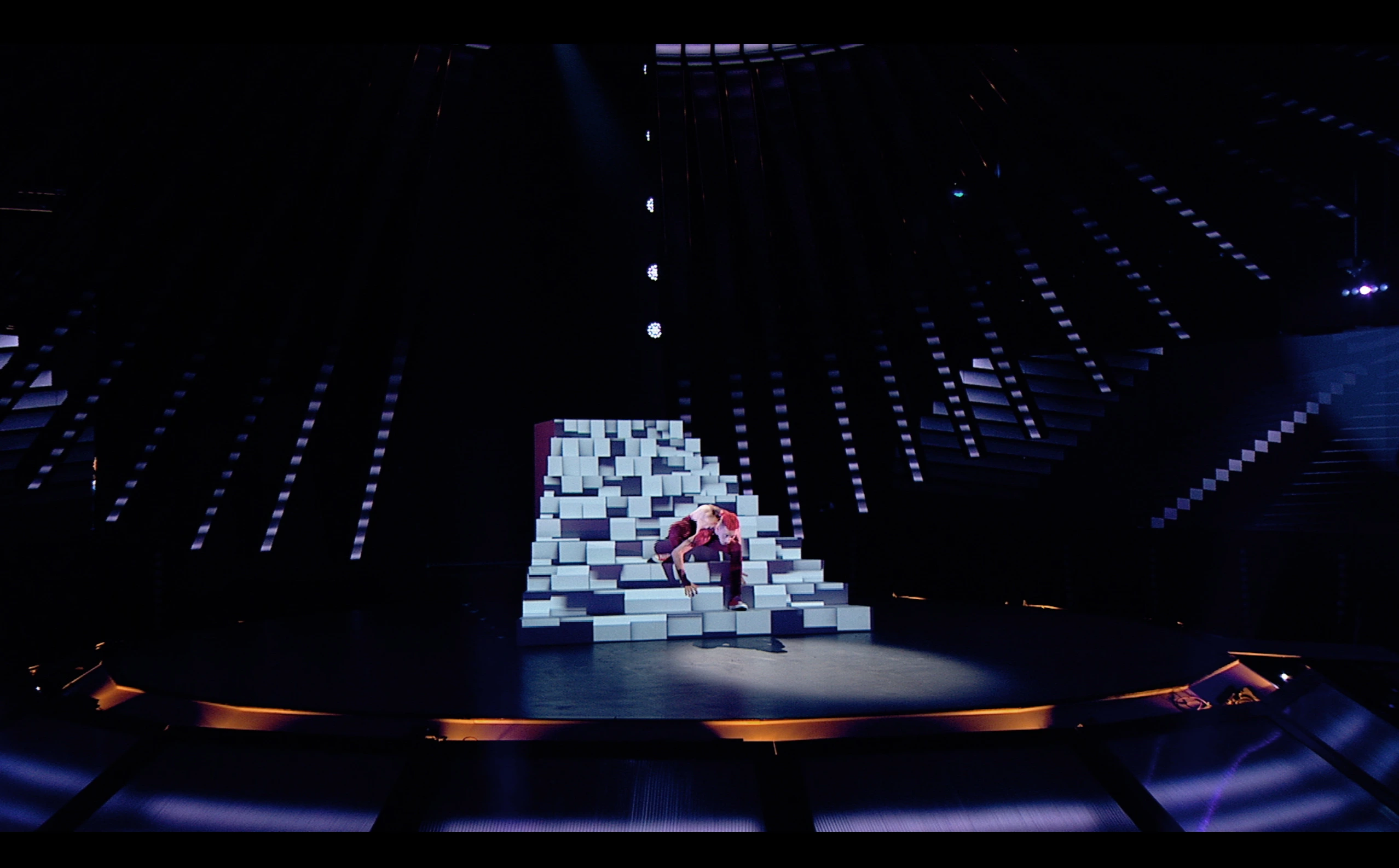
Prosvet 2020

Intervals 2022

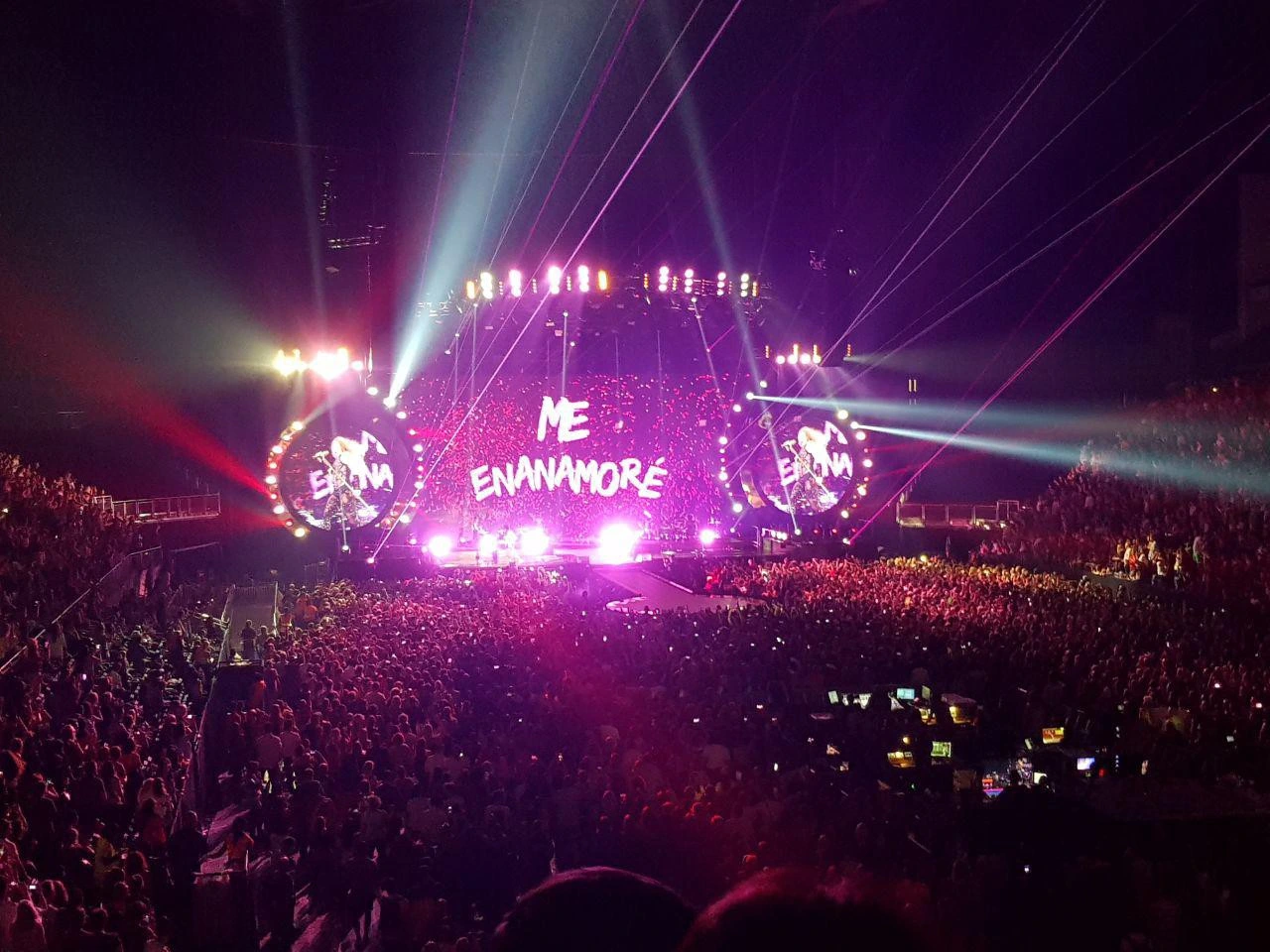
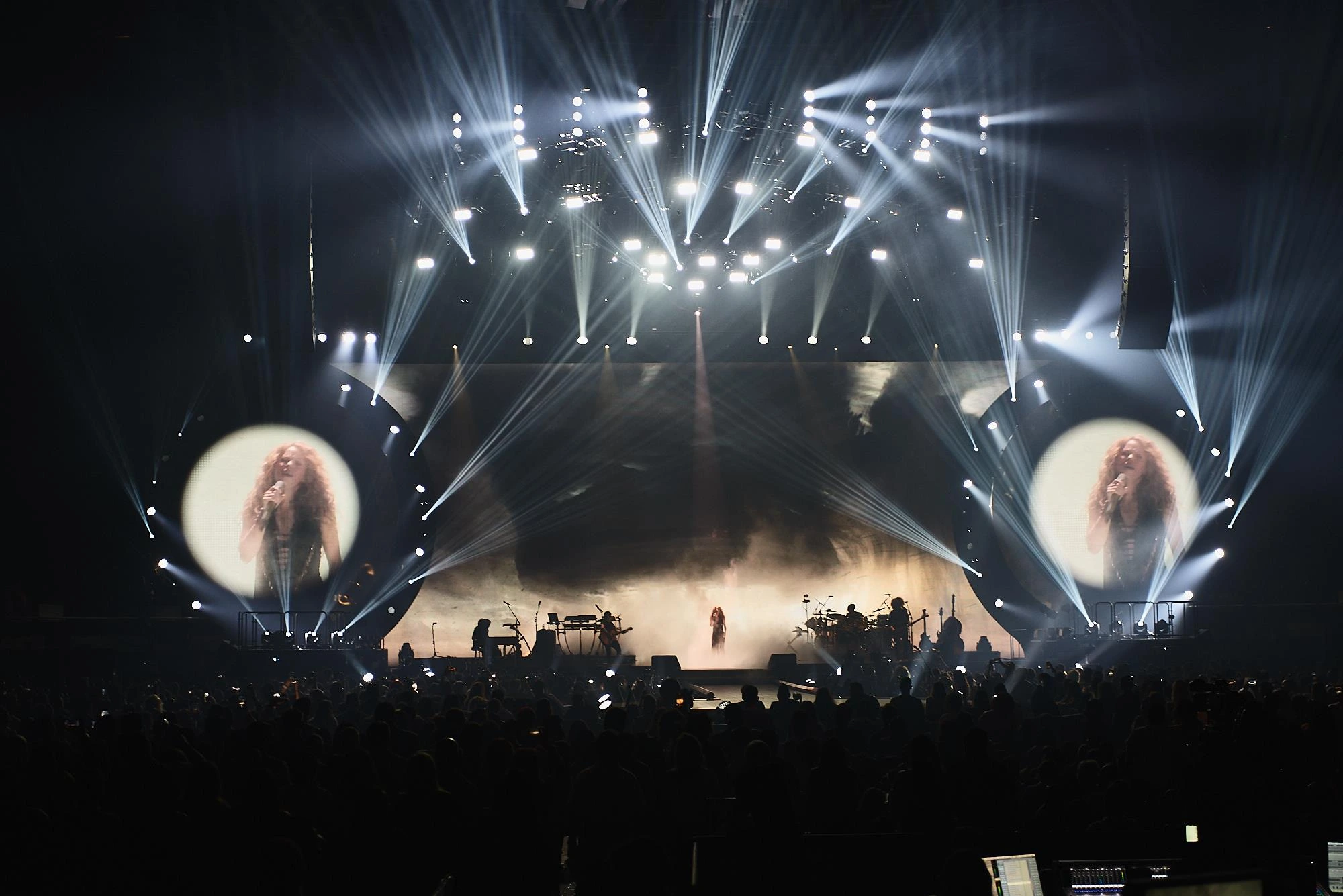
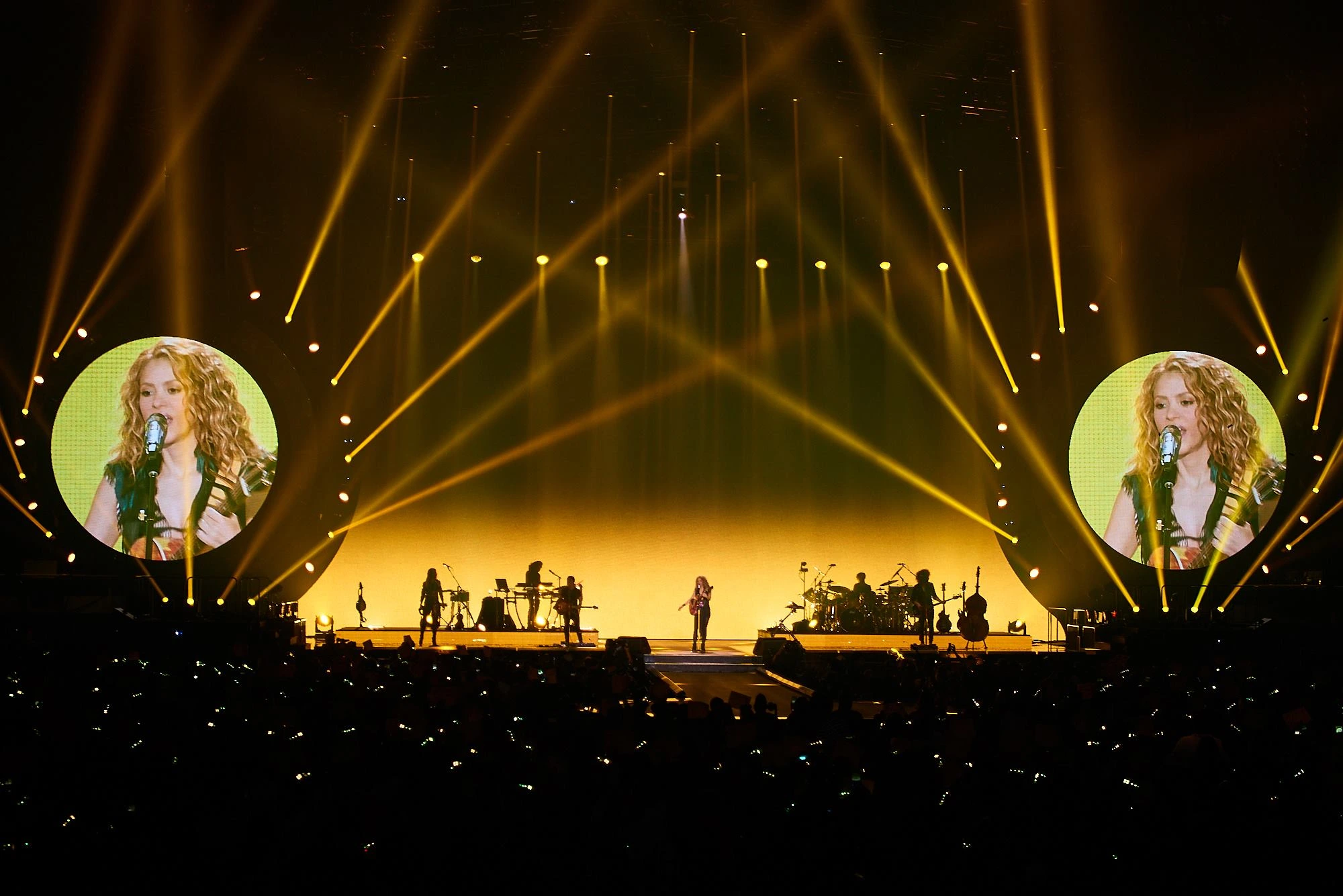
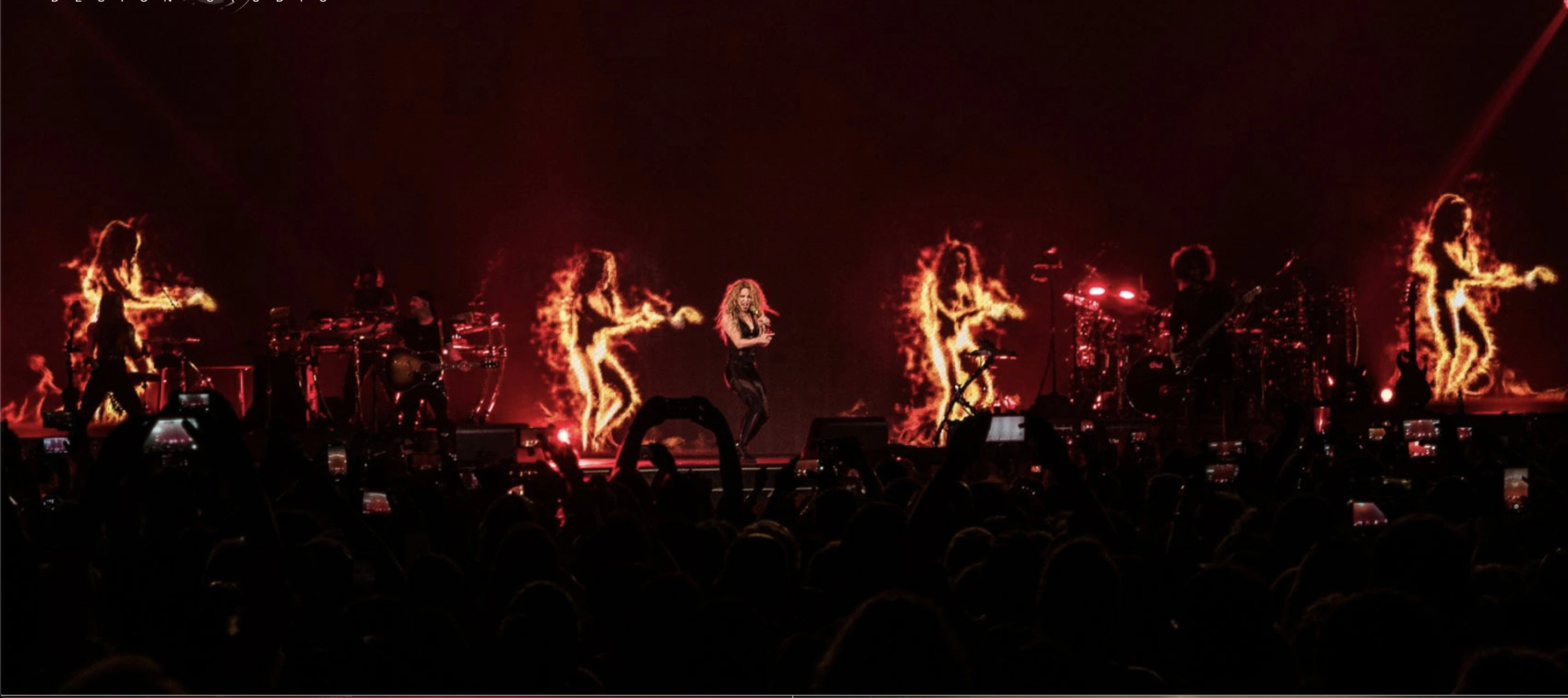
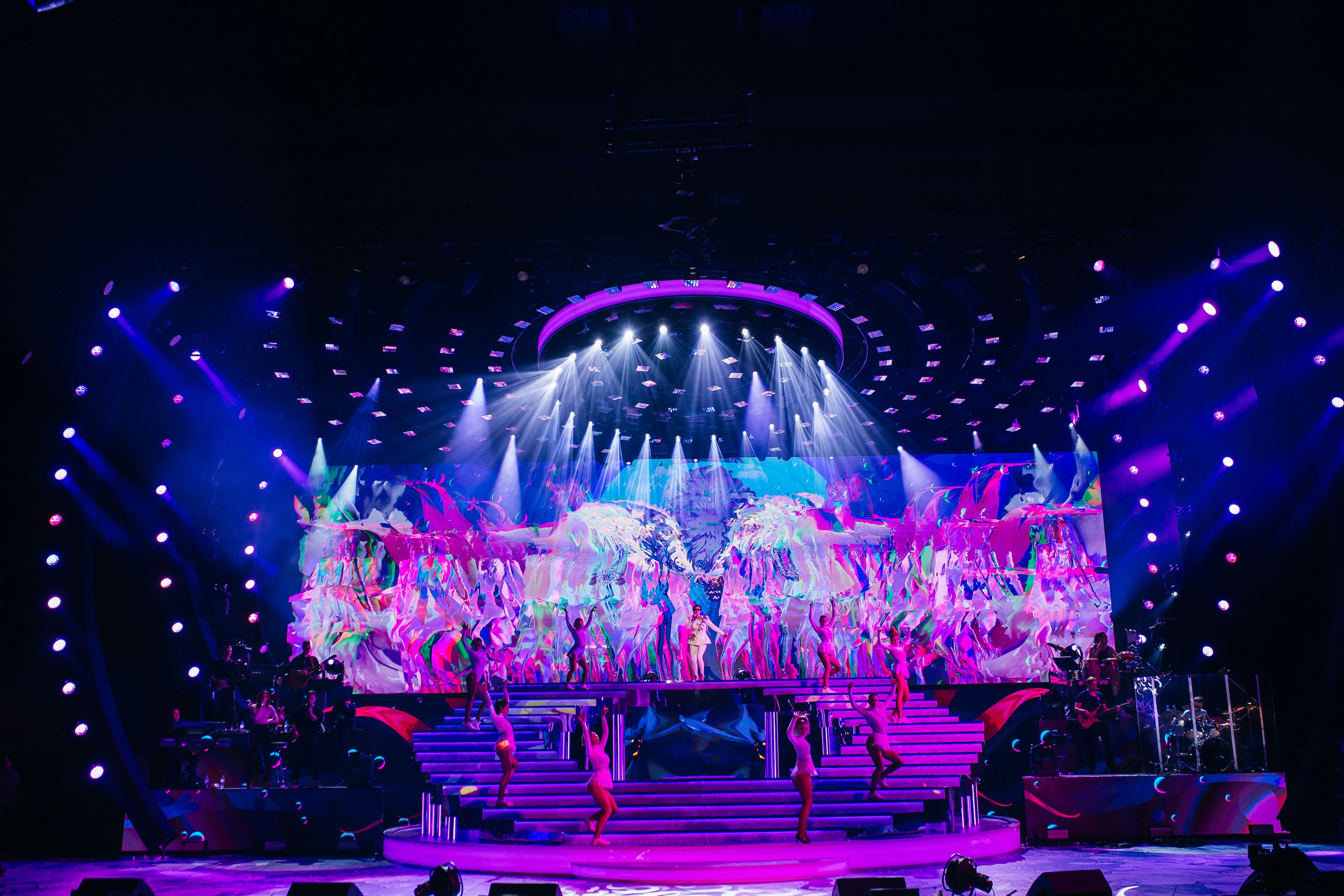
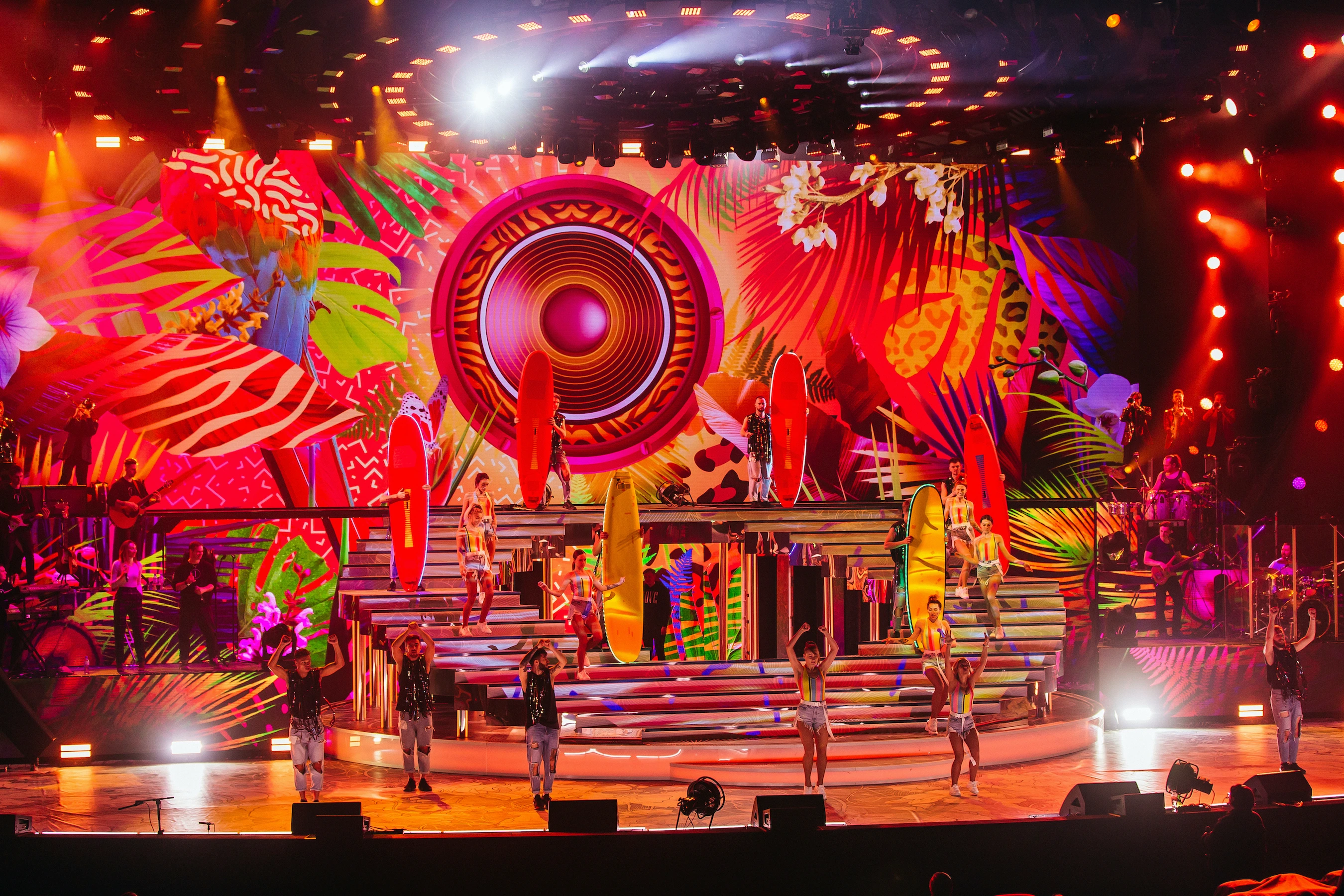
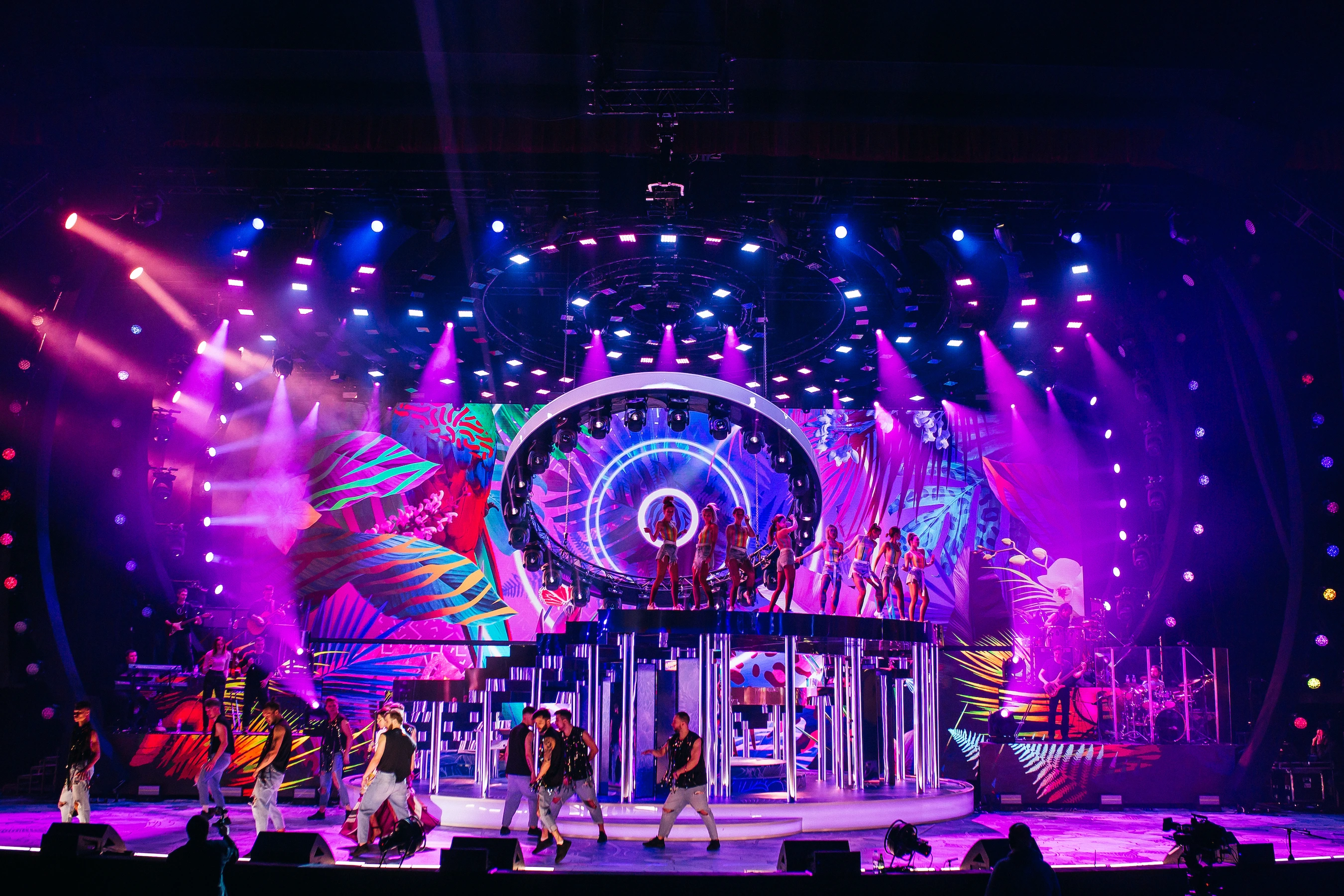
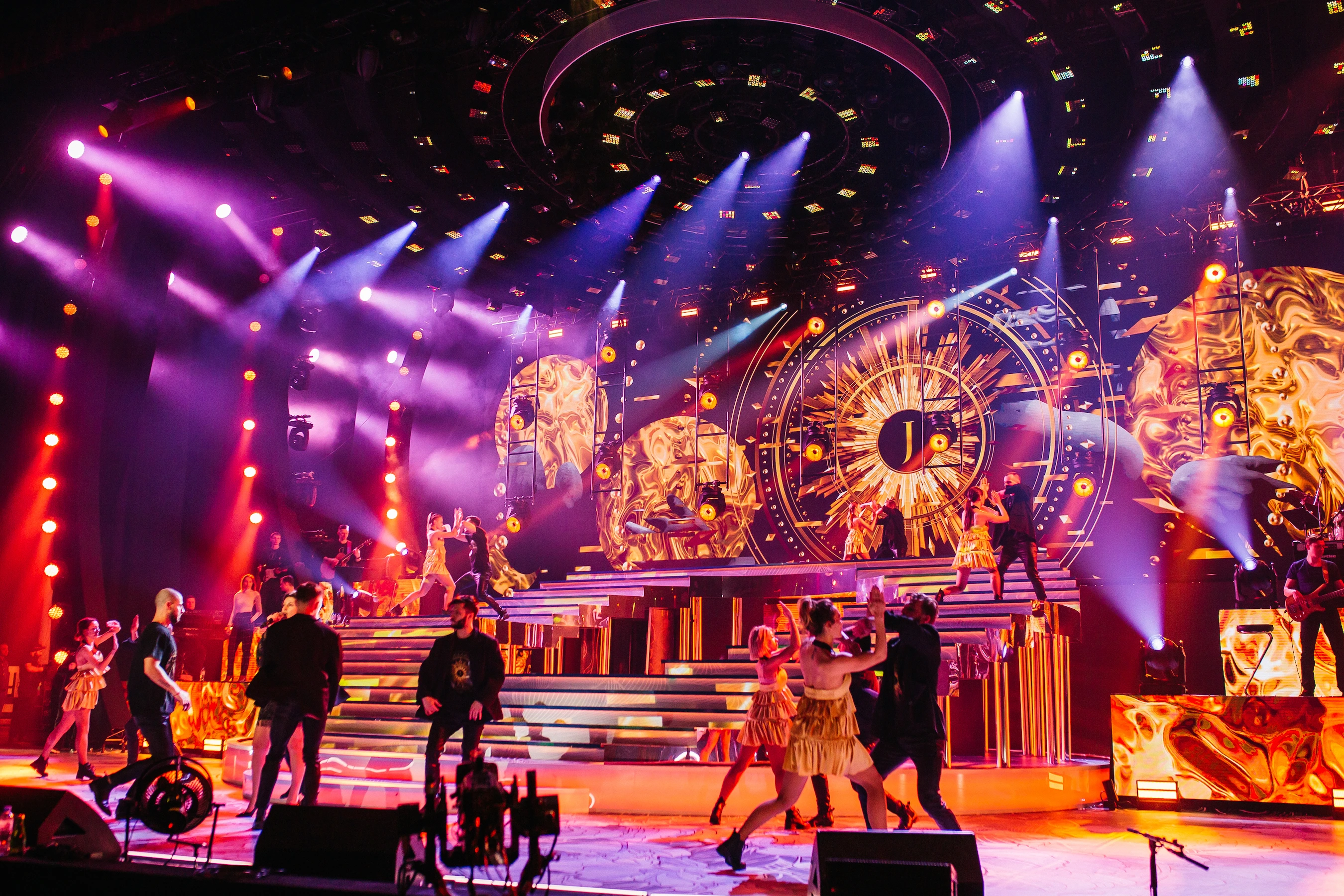
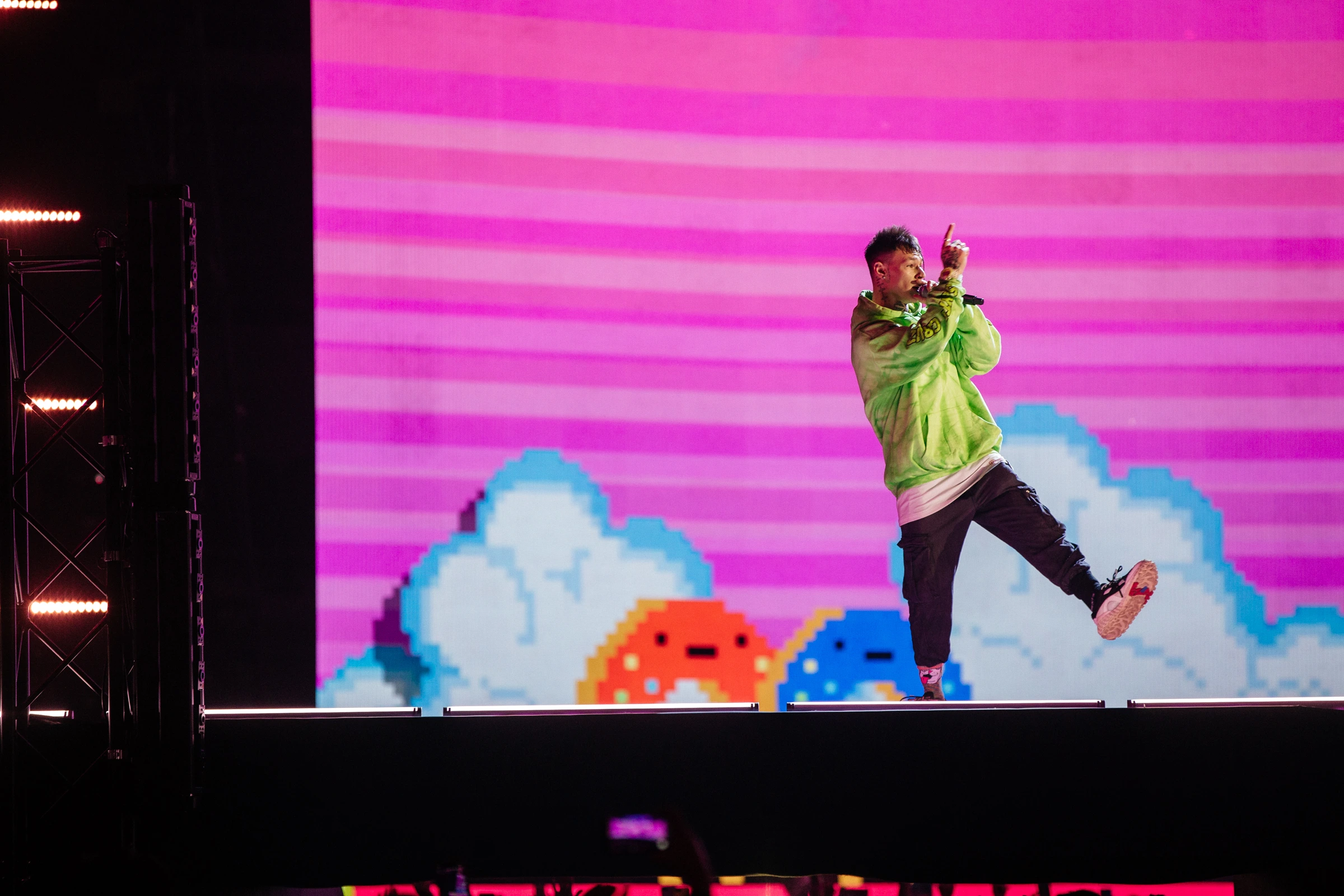
Musical Tours &
Ceremonies

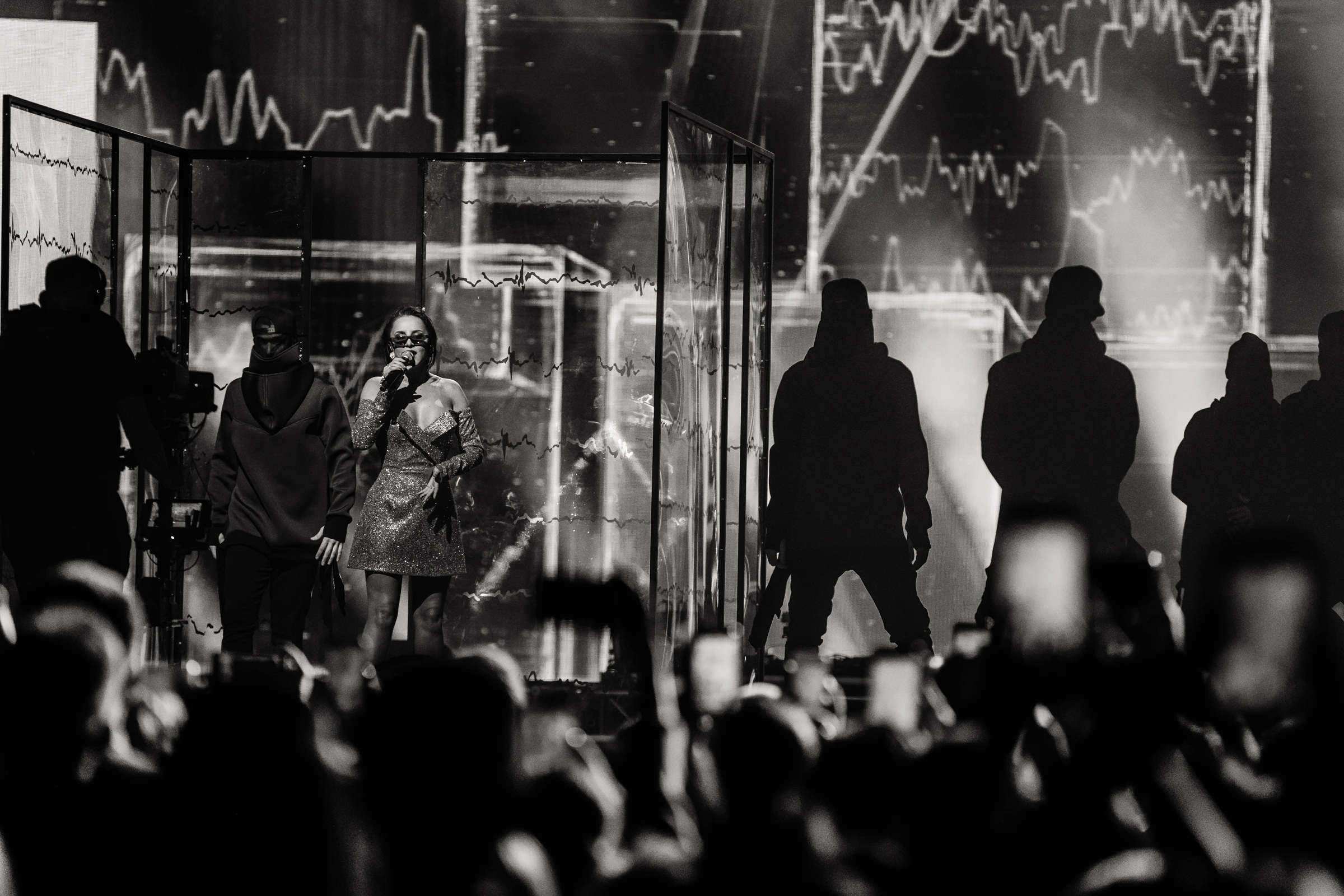
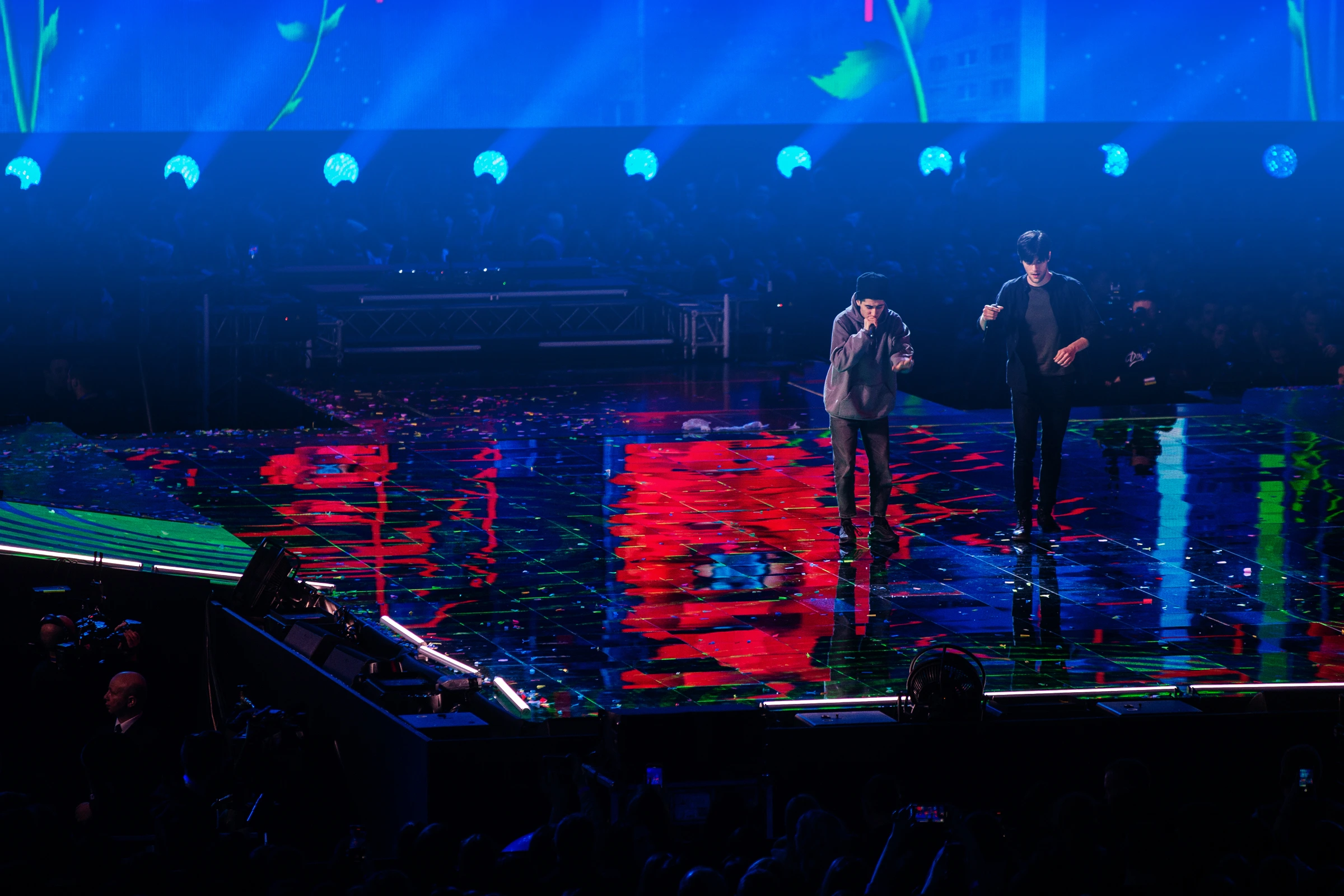
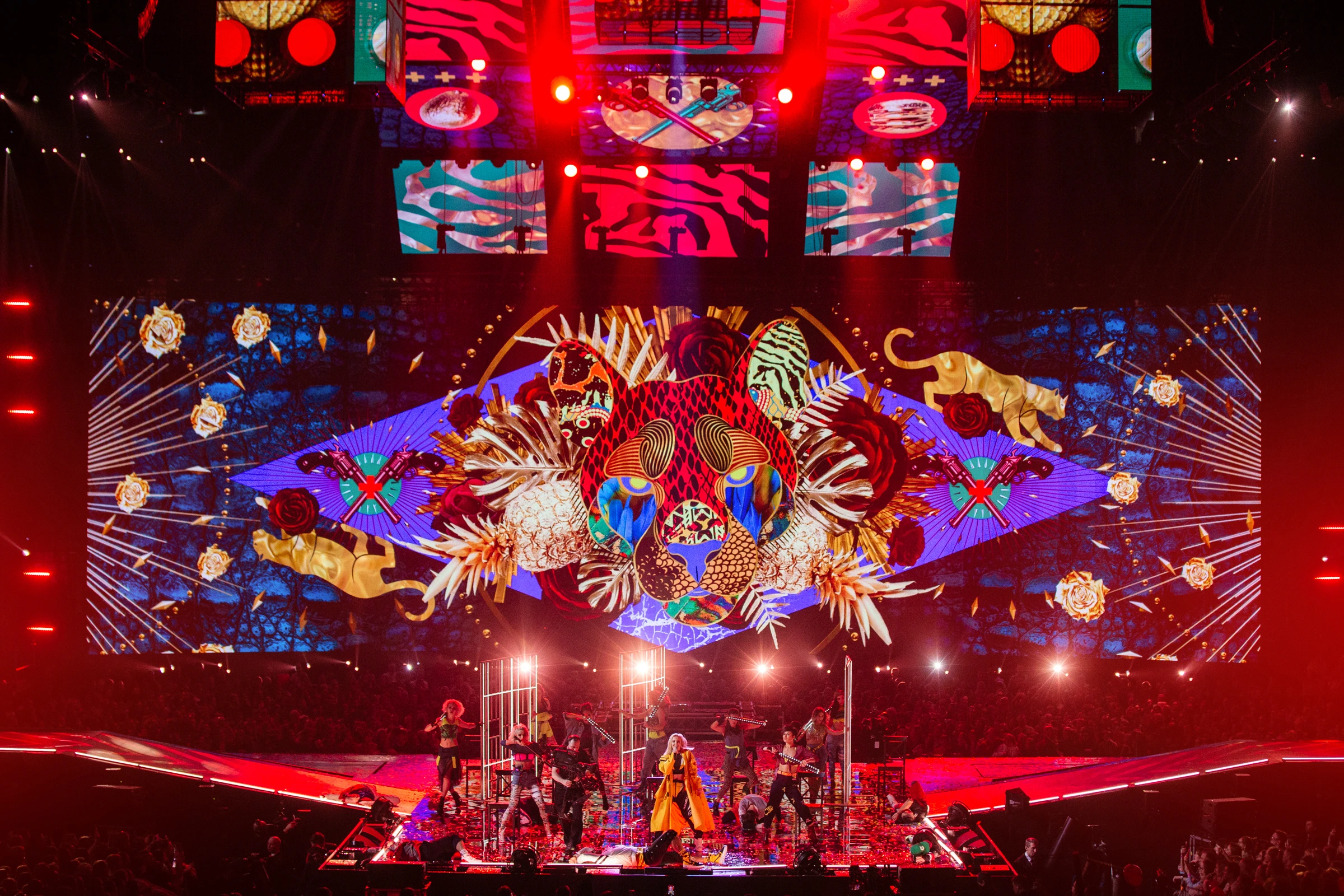
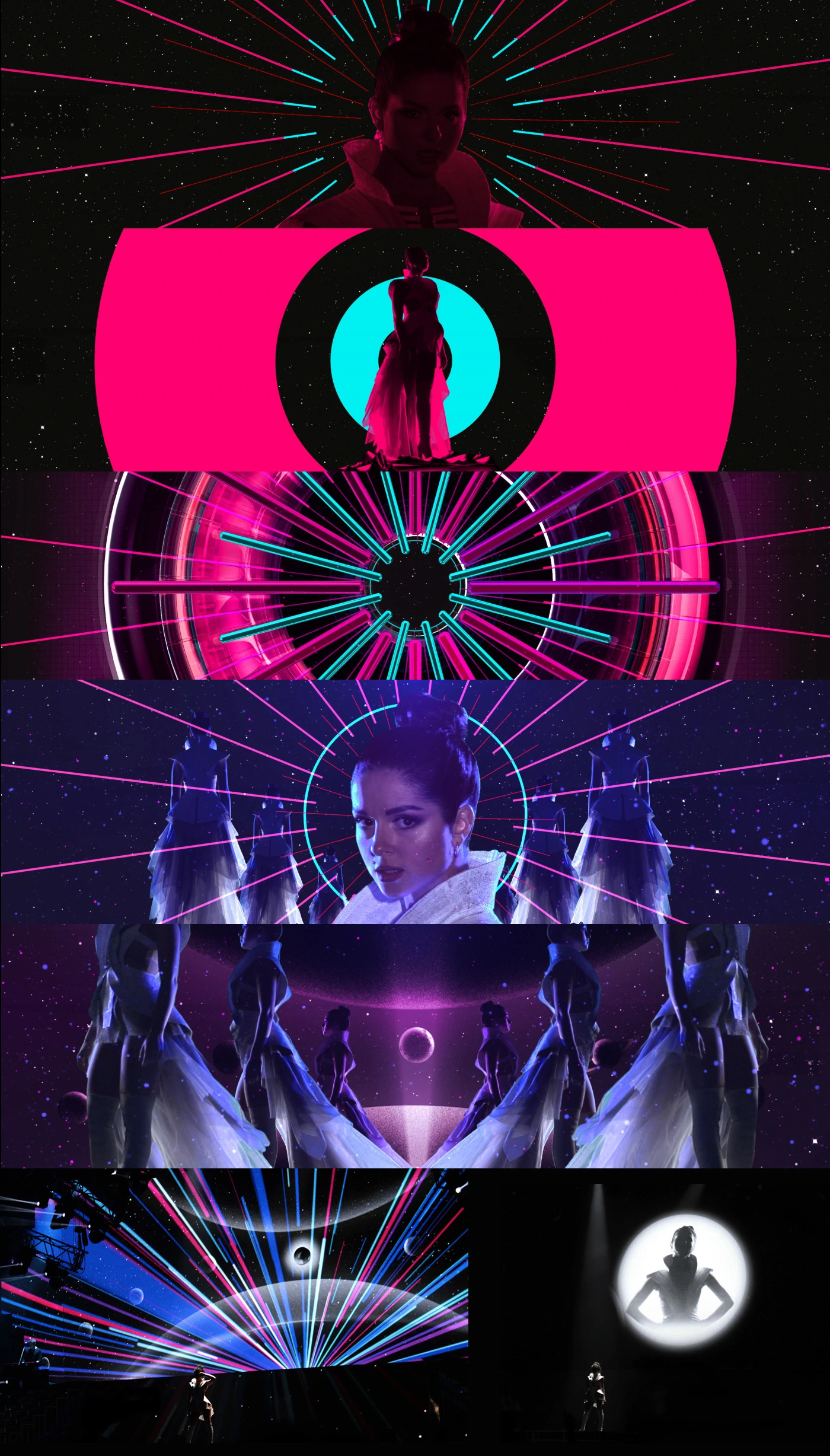
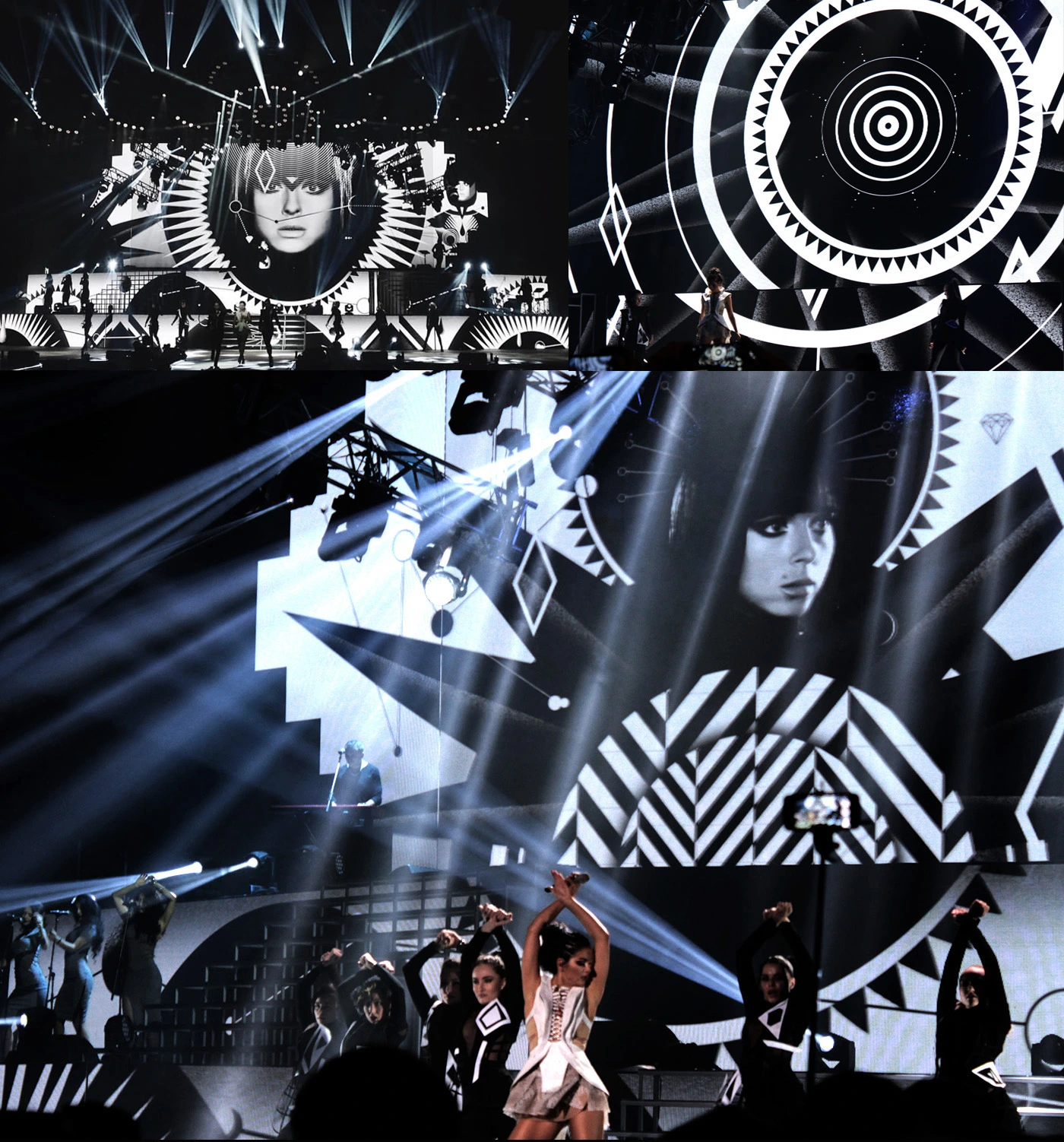
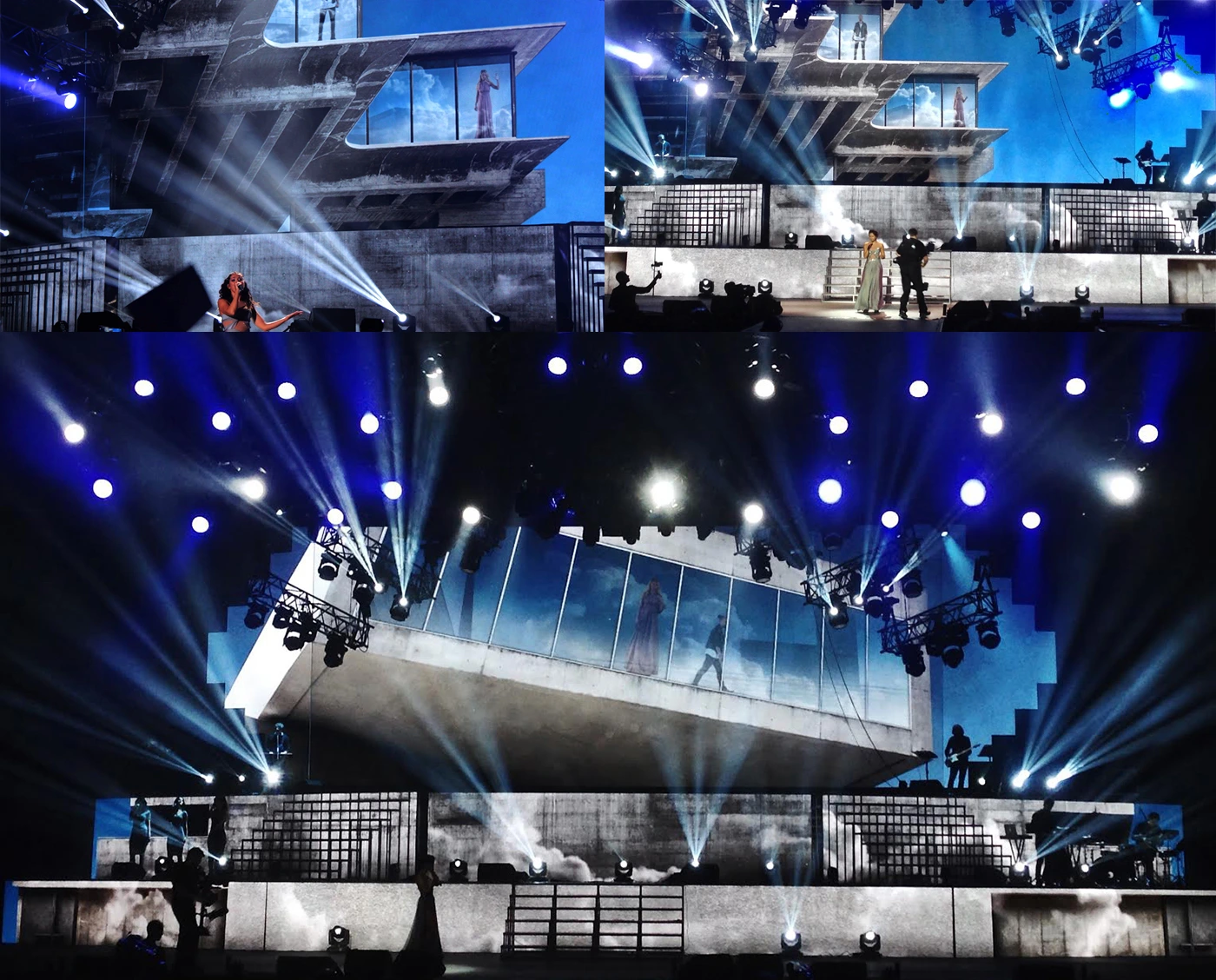
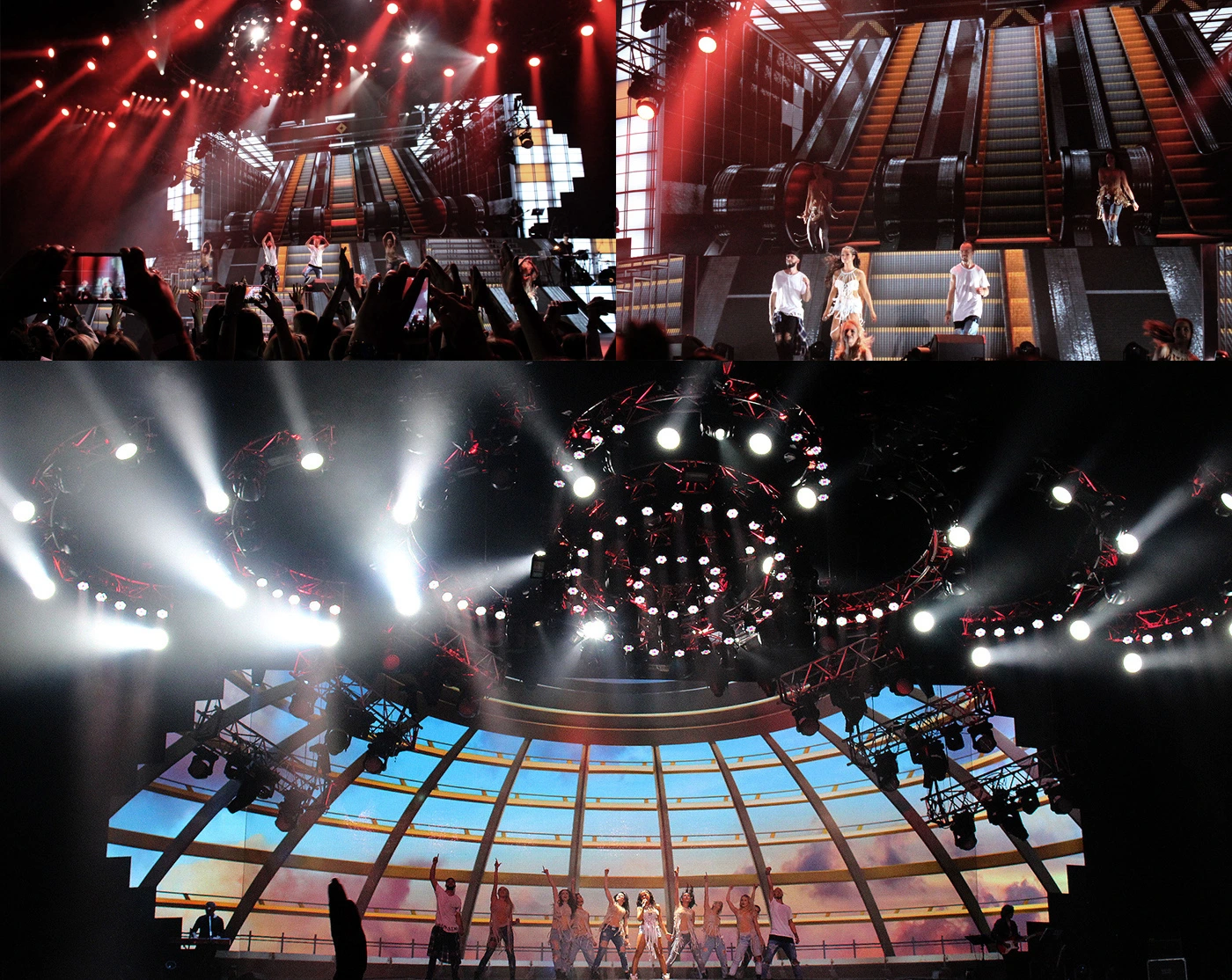
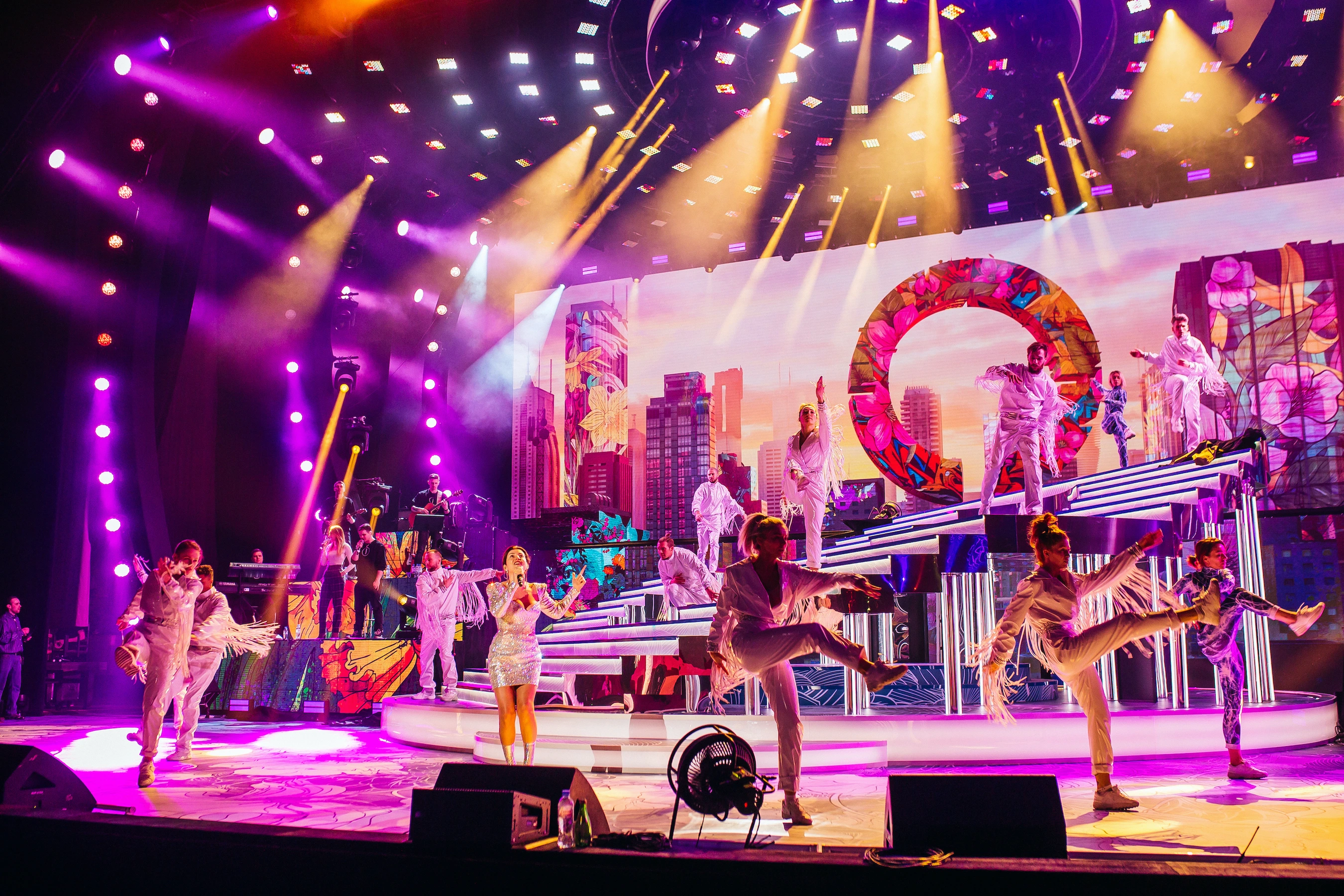
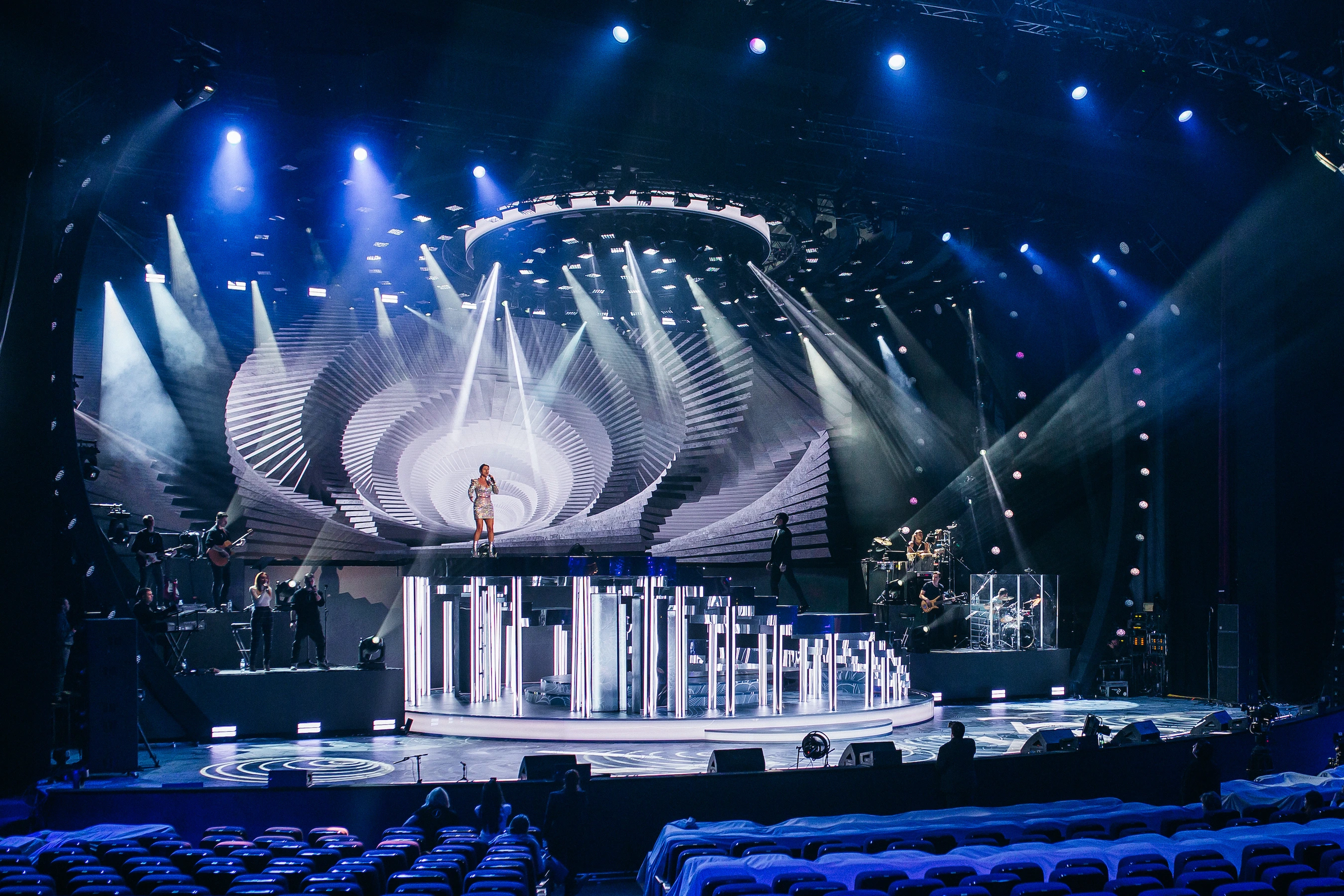
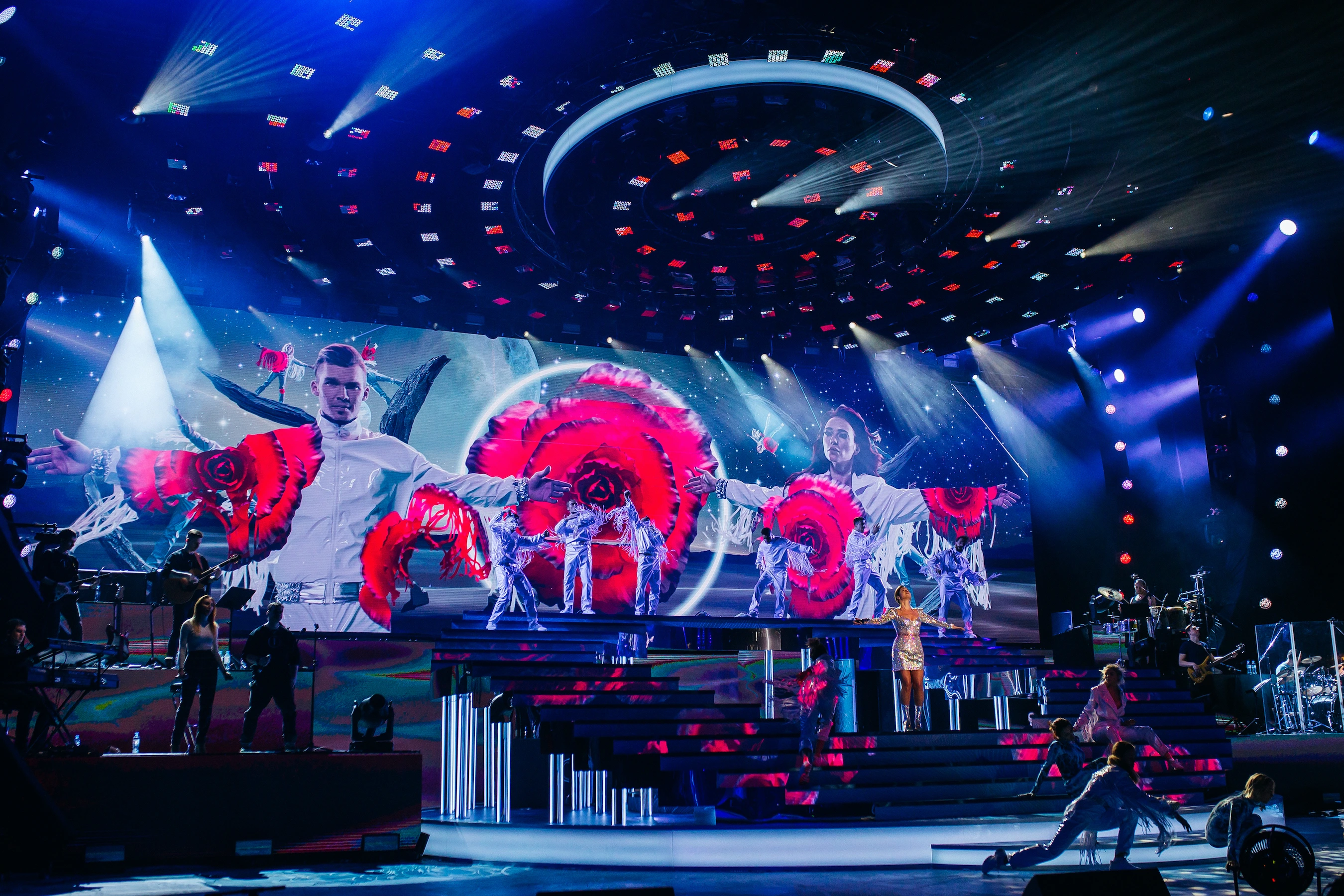
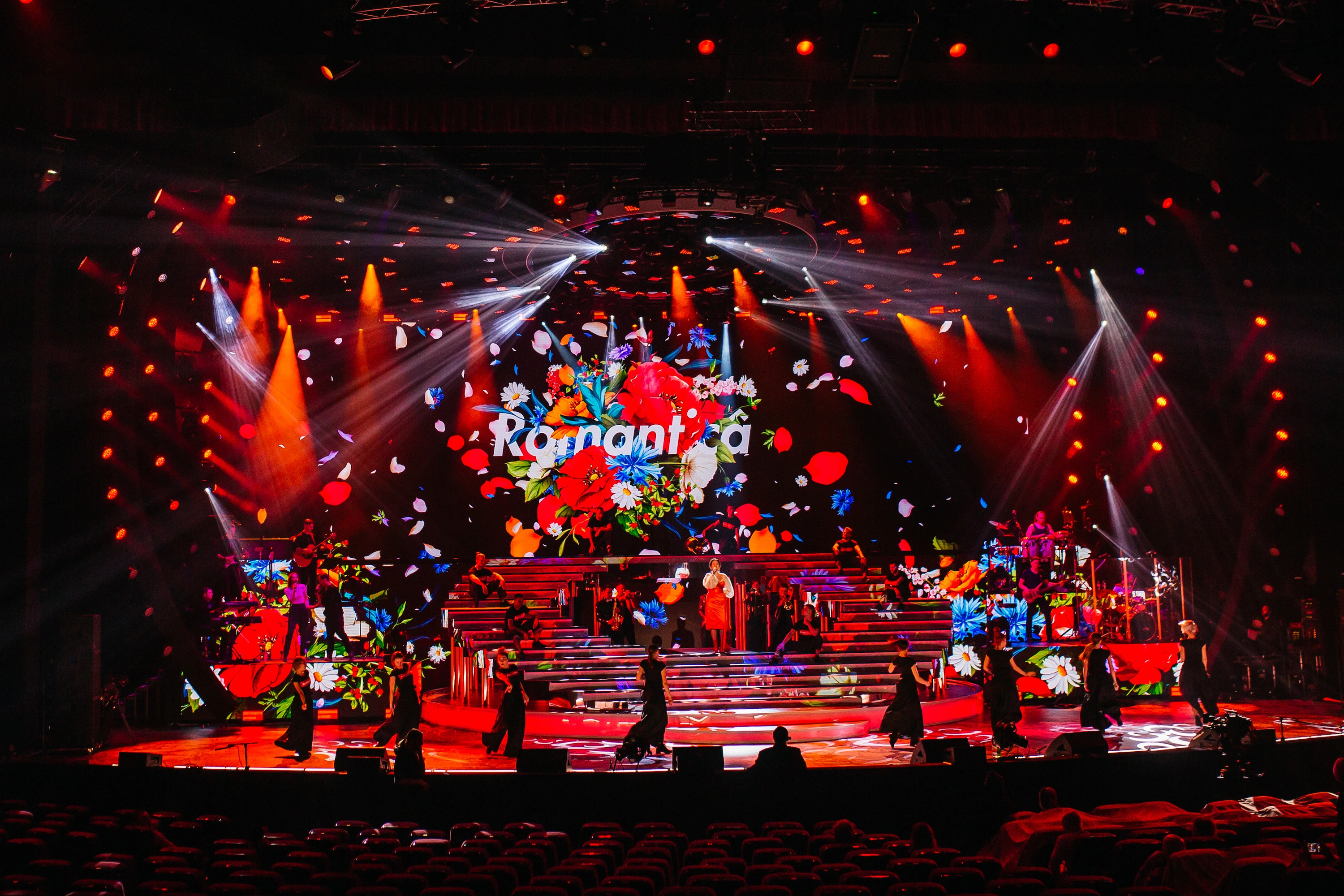
Gluk'oza — Video Content

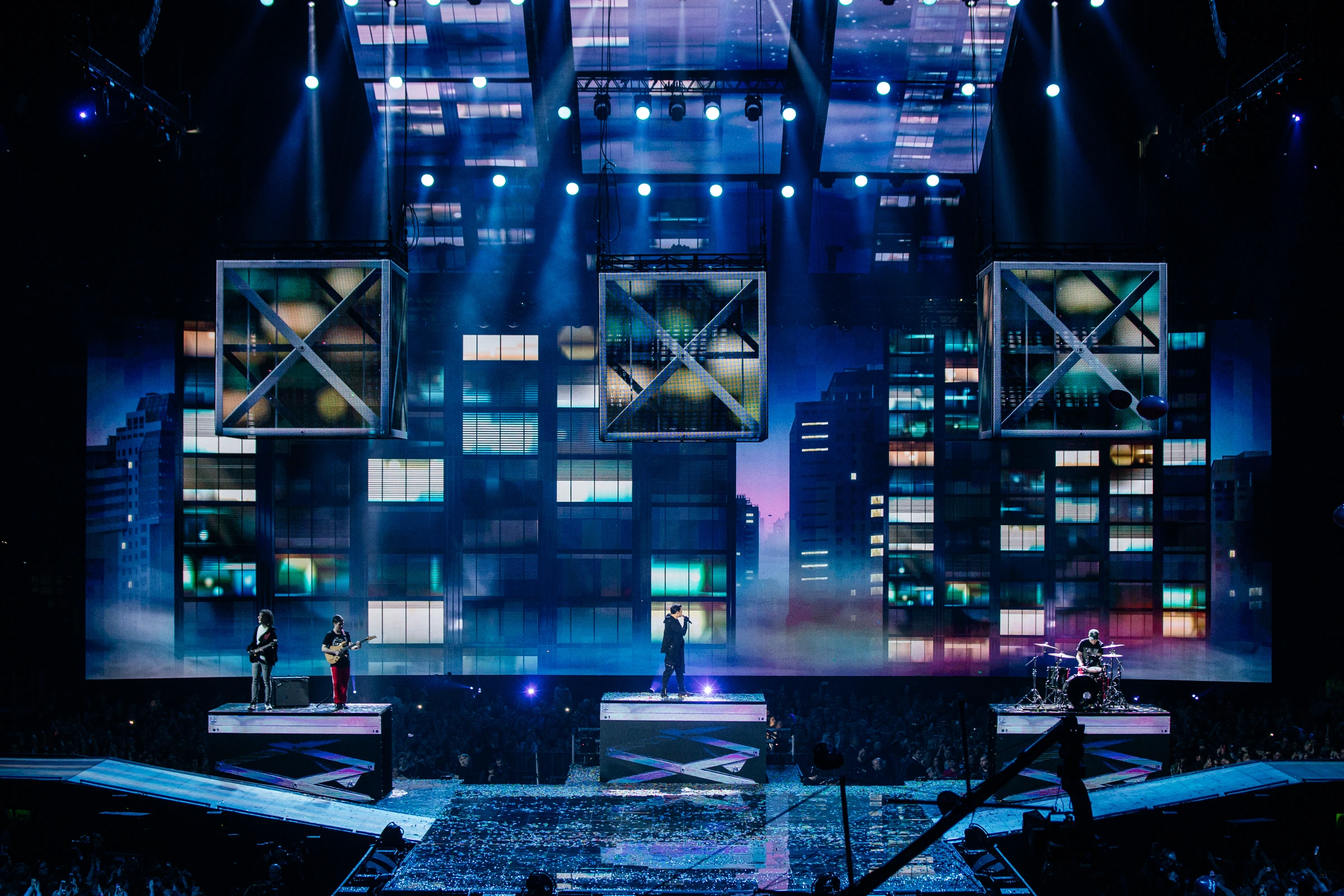
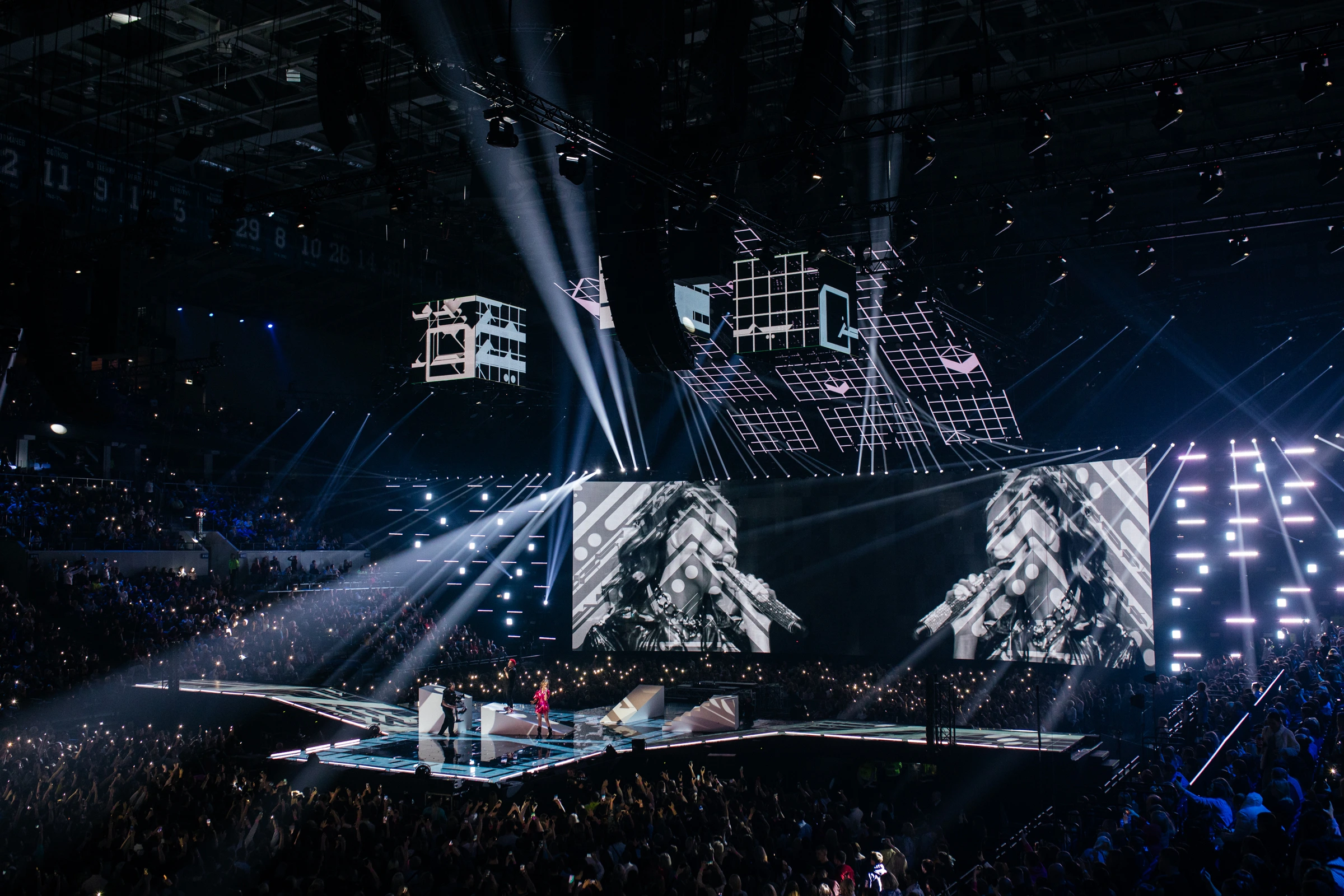
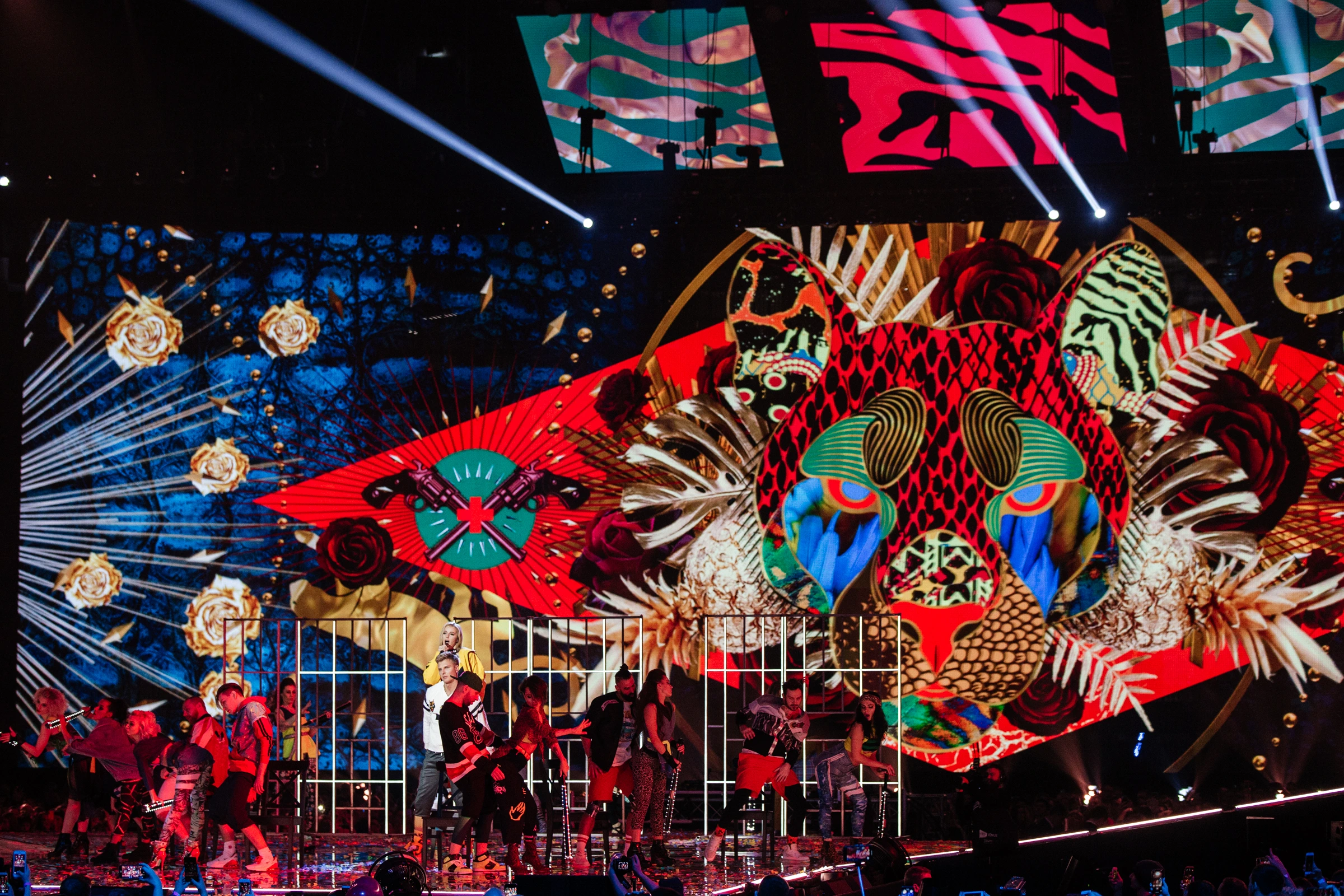
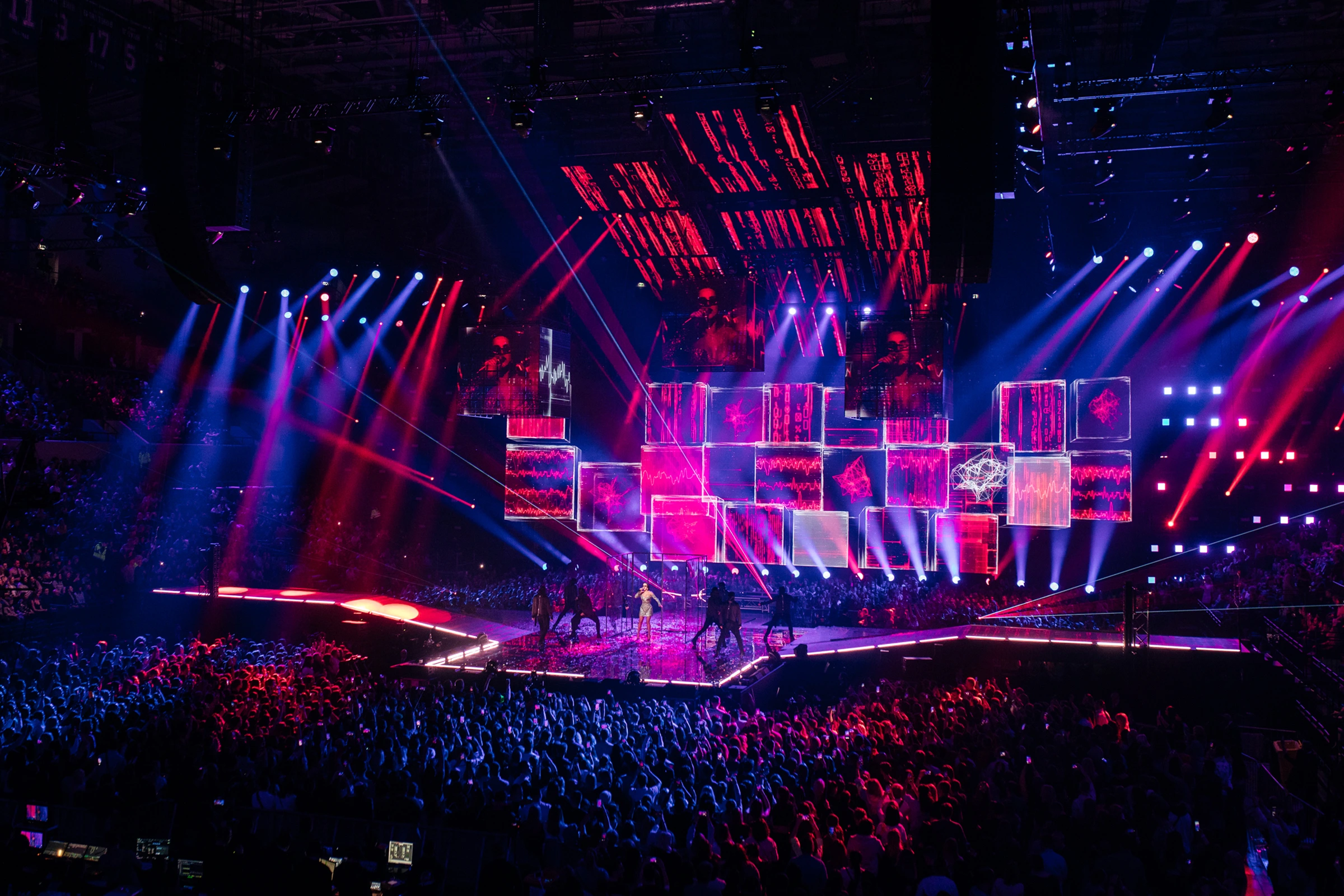
Bilan 33 — Mapping & LED Visuals

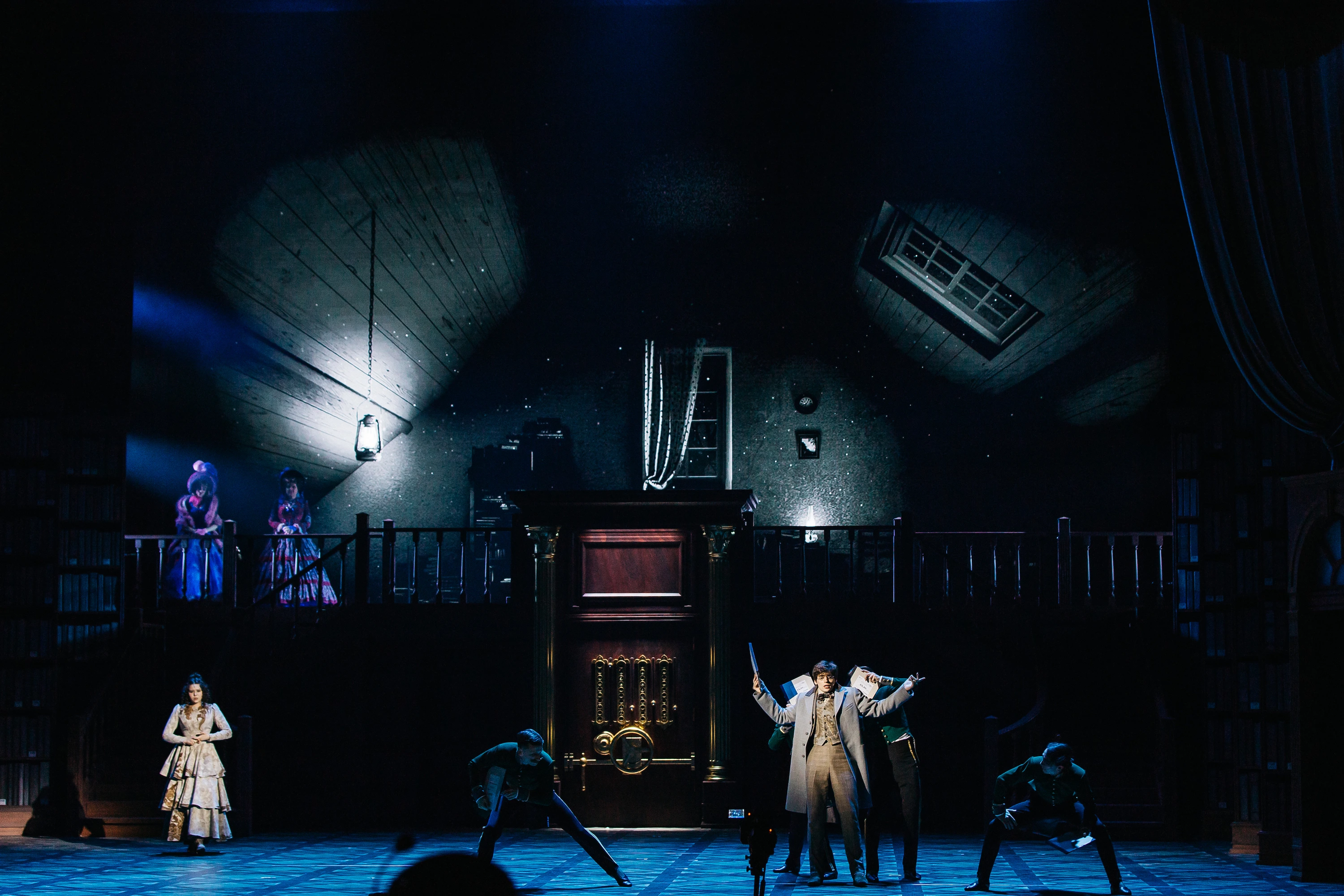
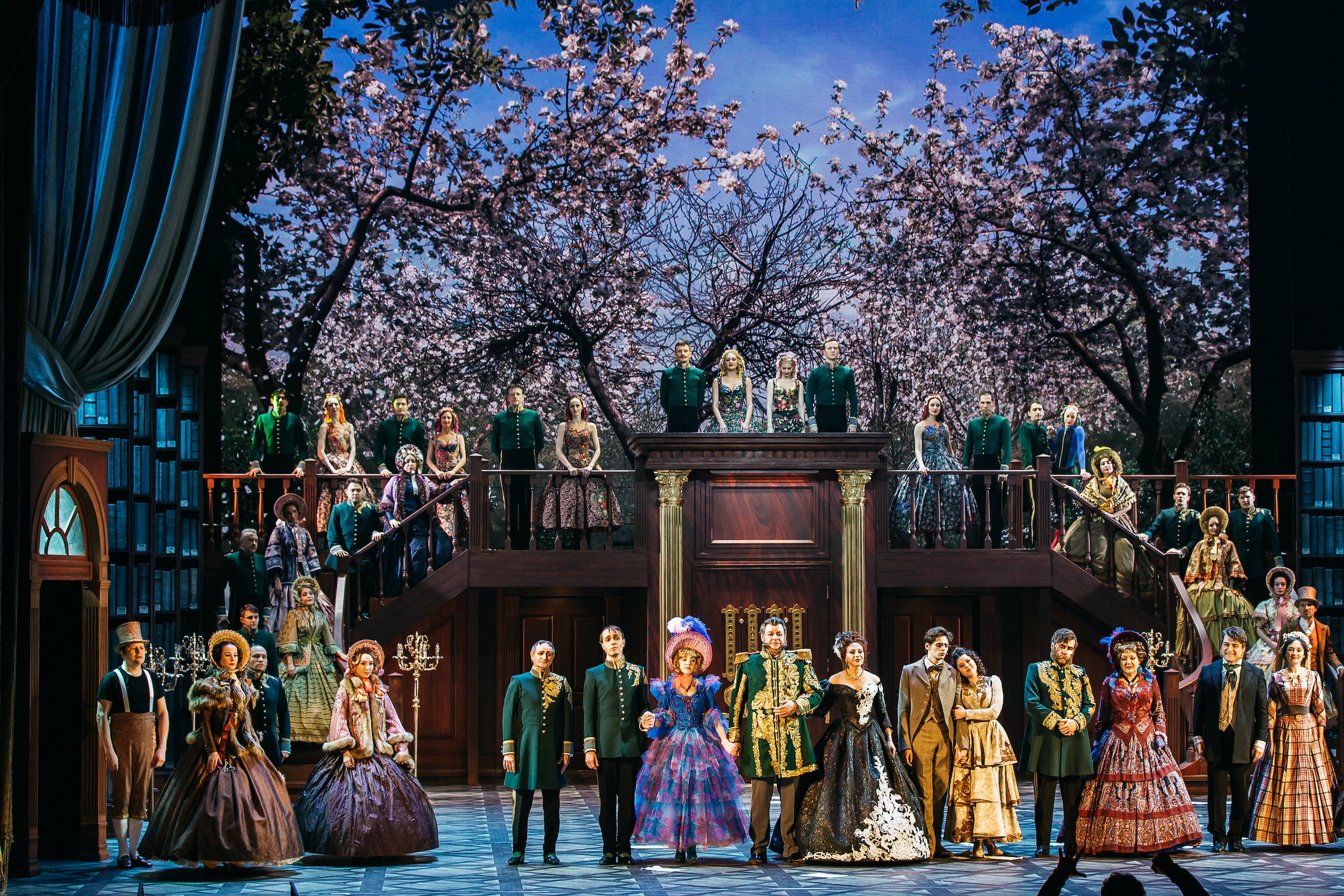
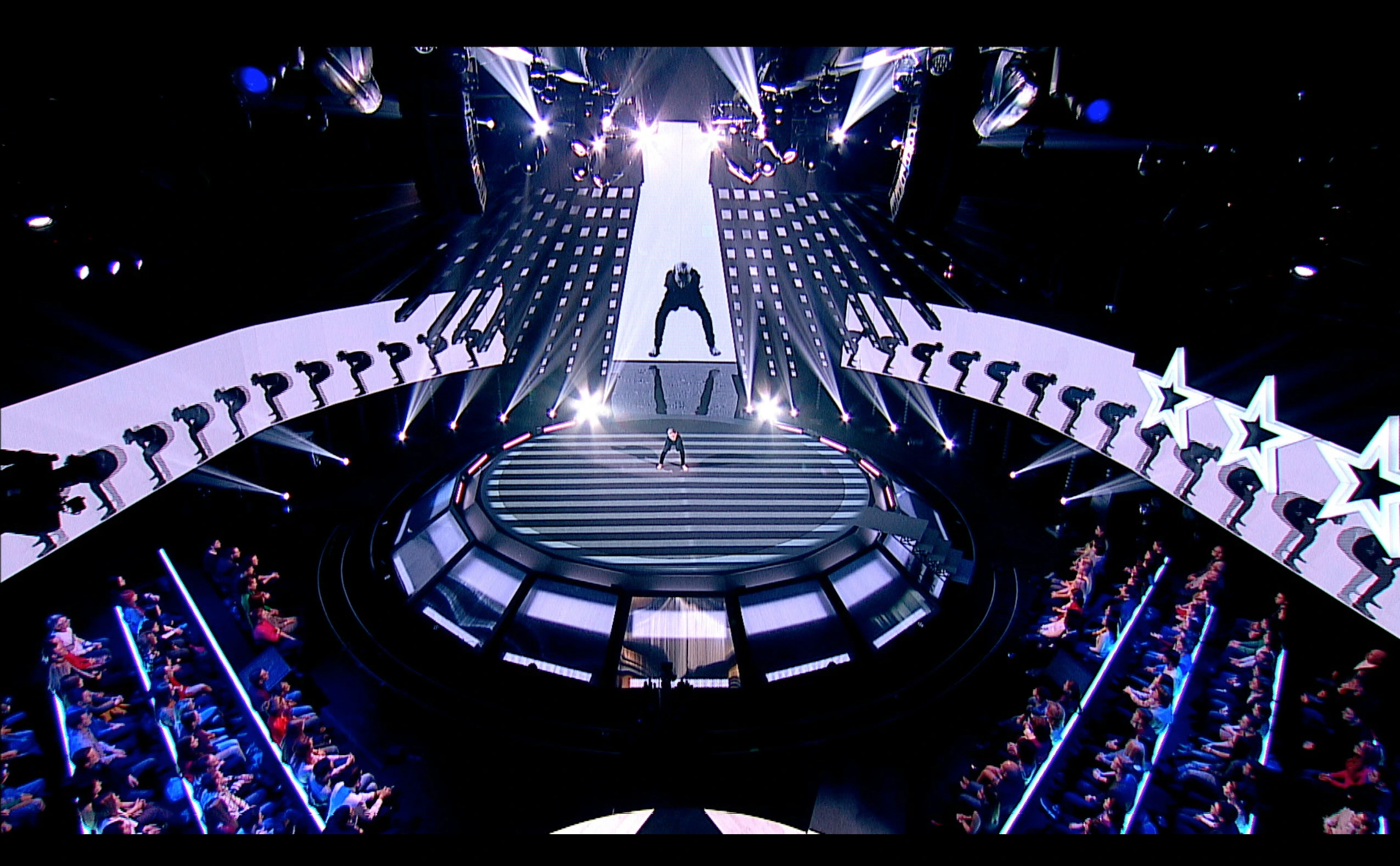
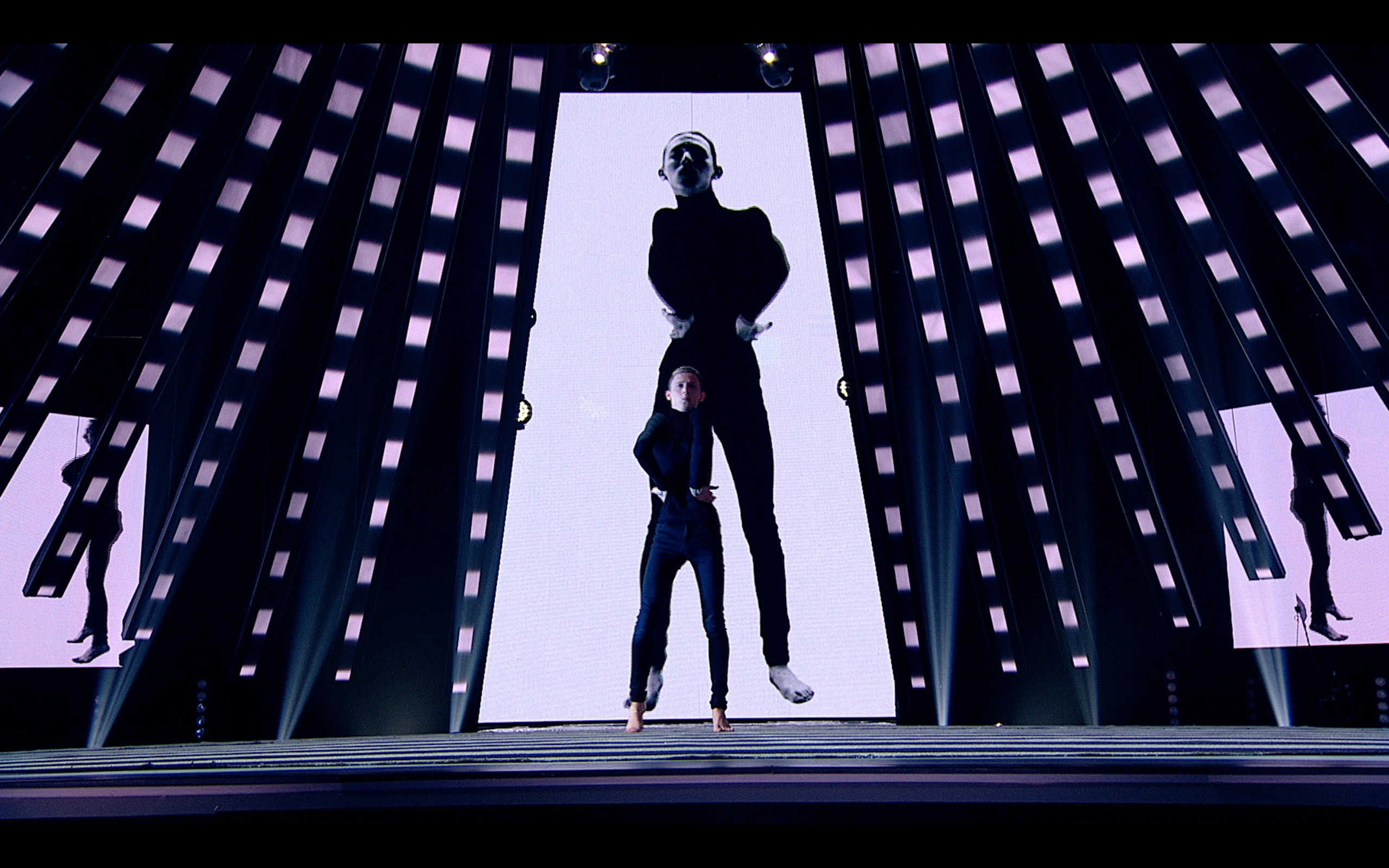
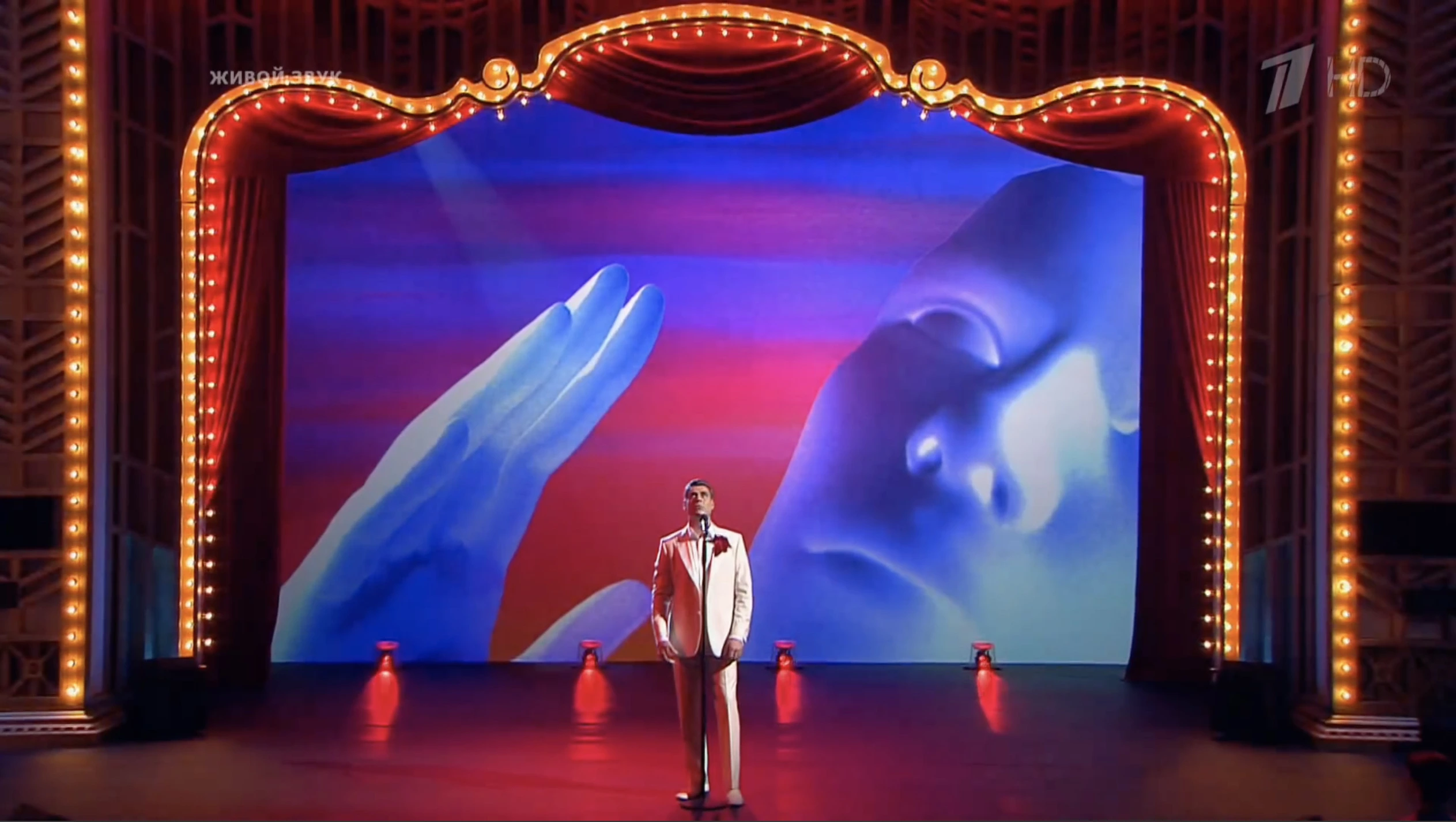
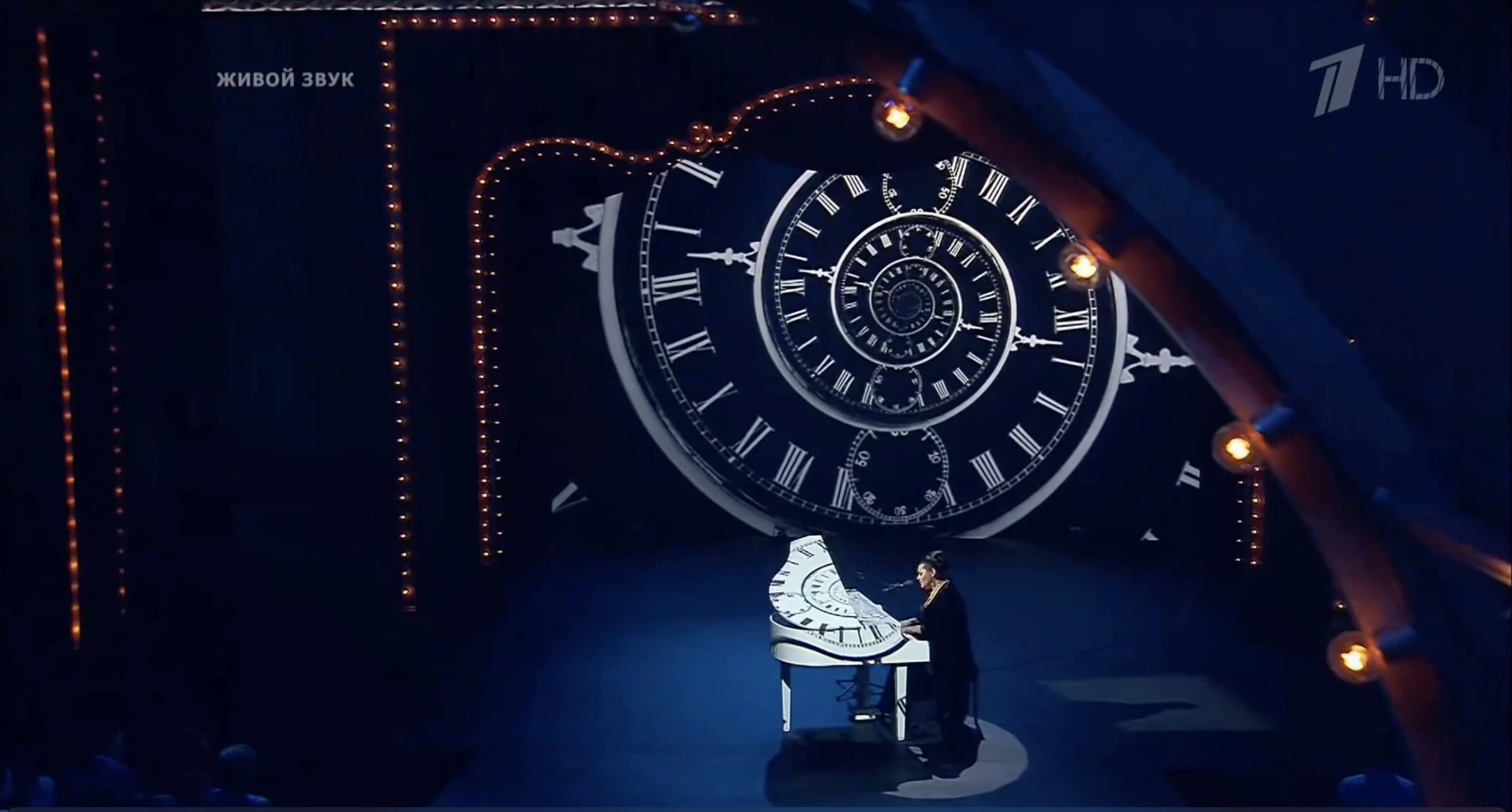
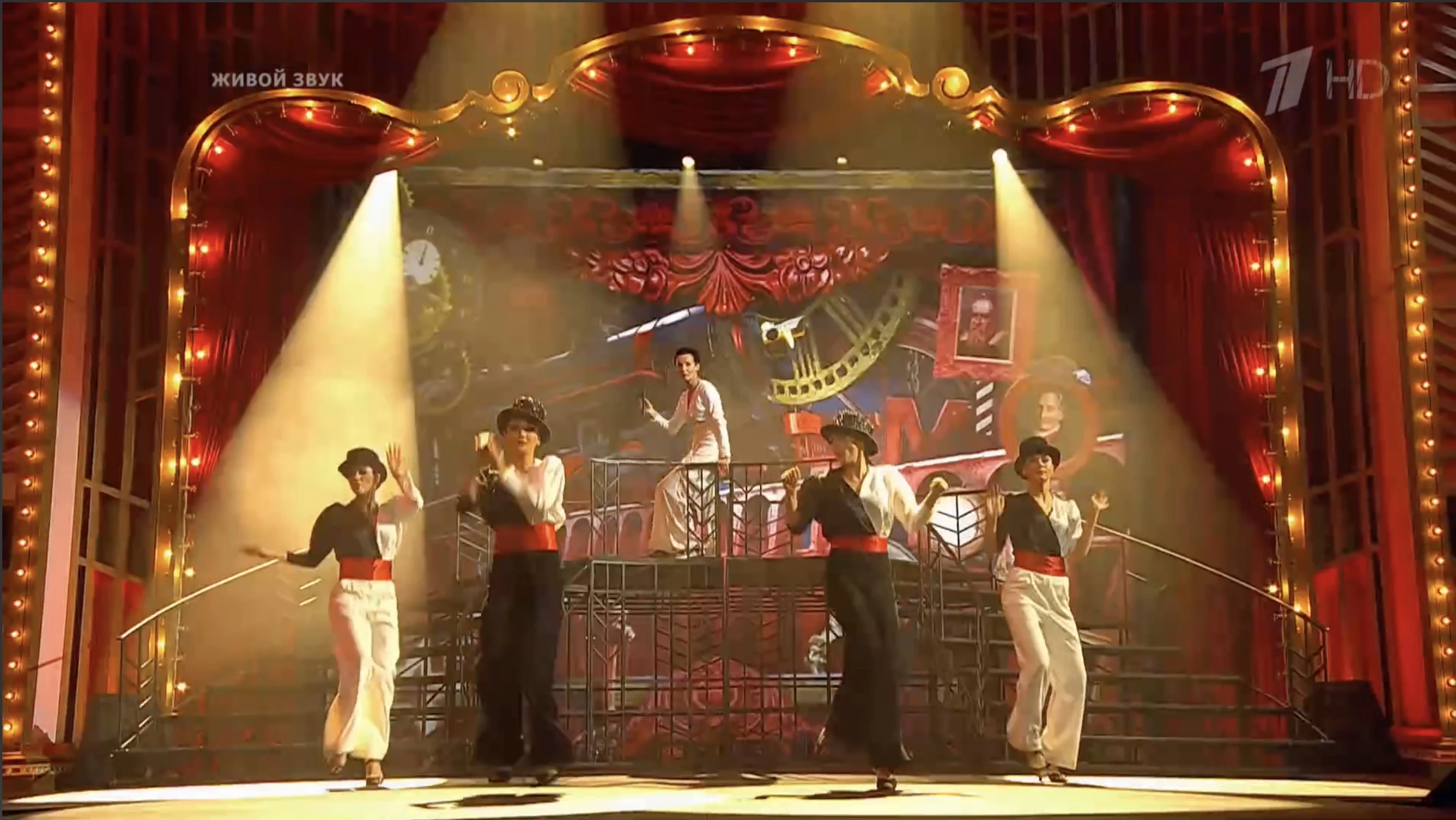
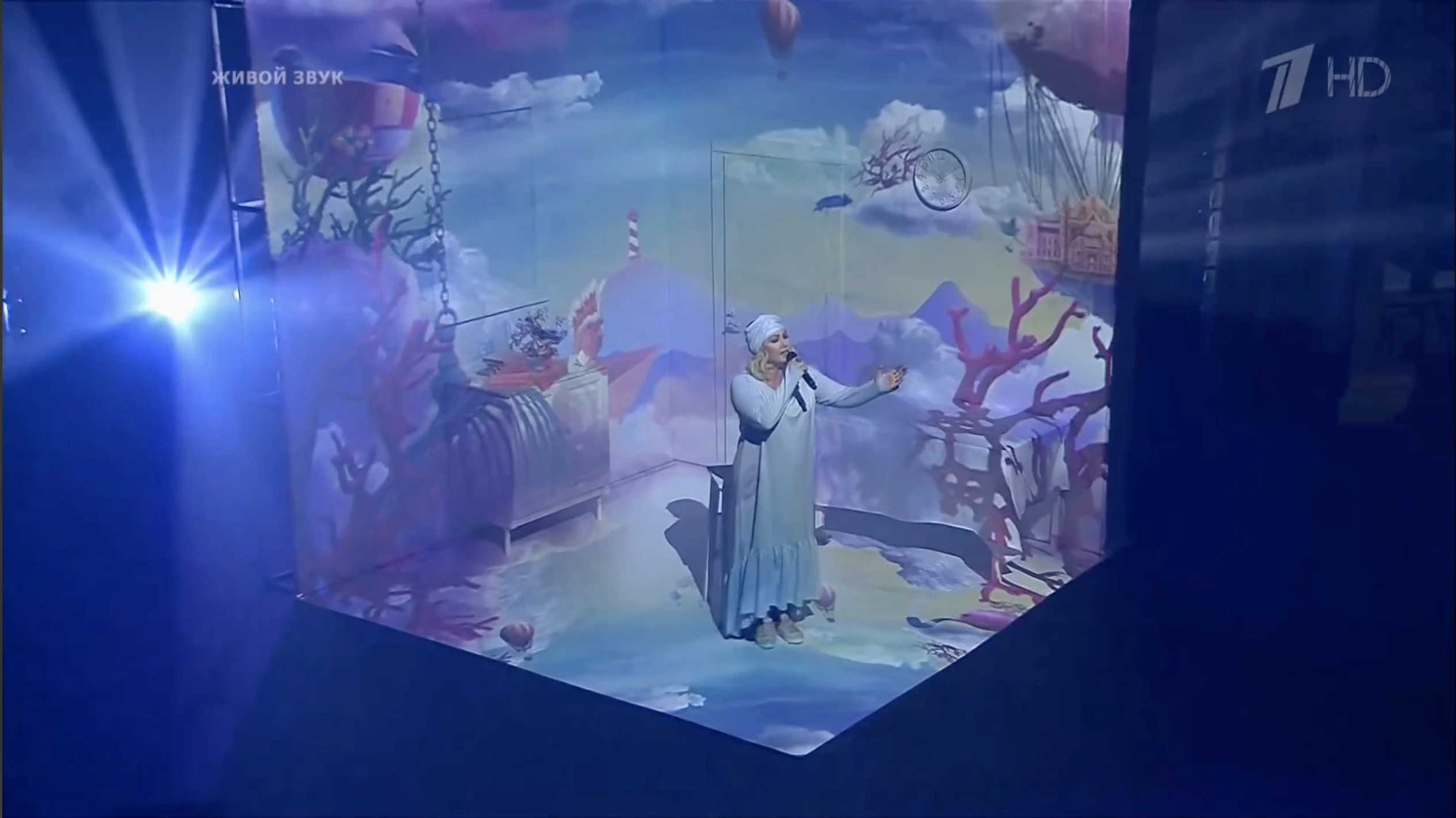
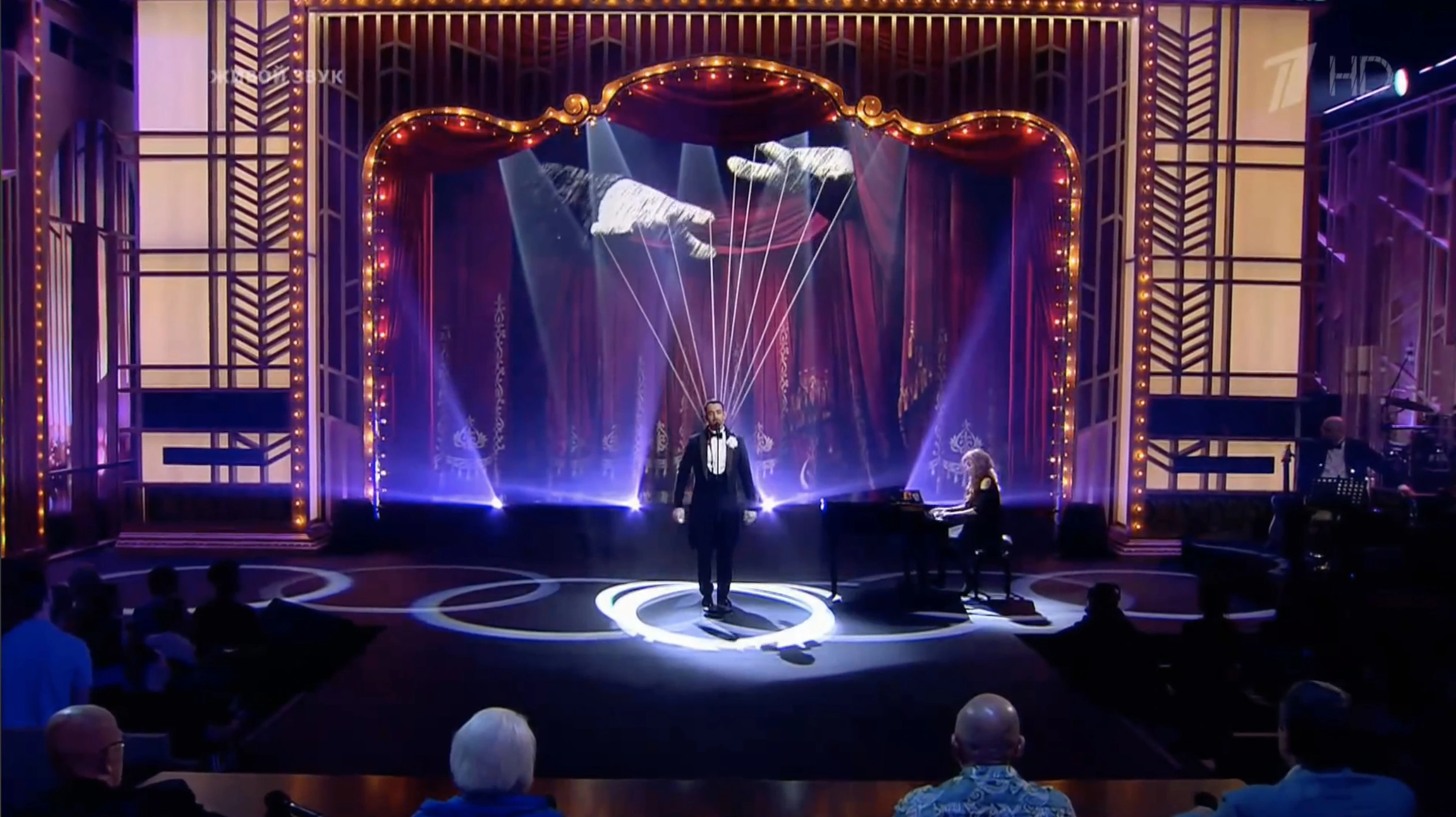
Theater & Broadcast

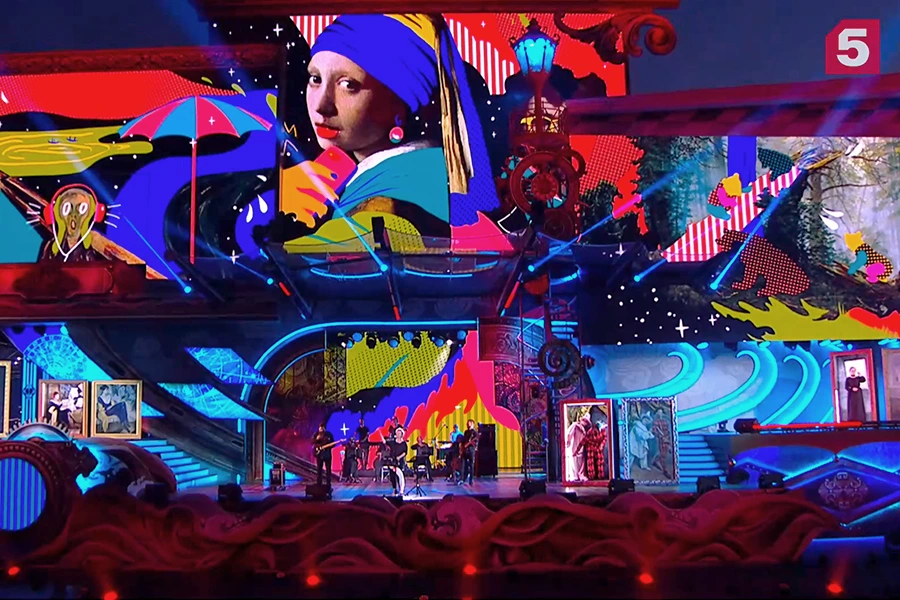
2022

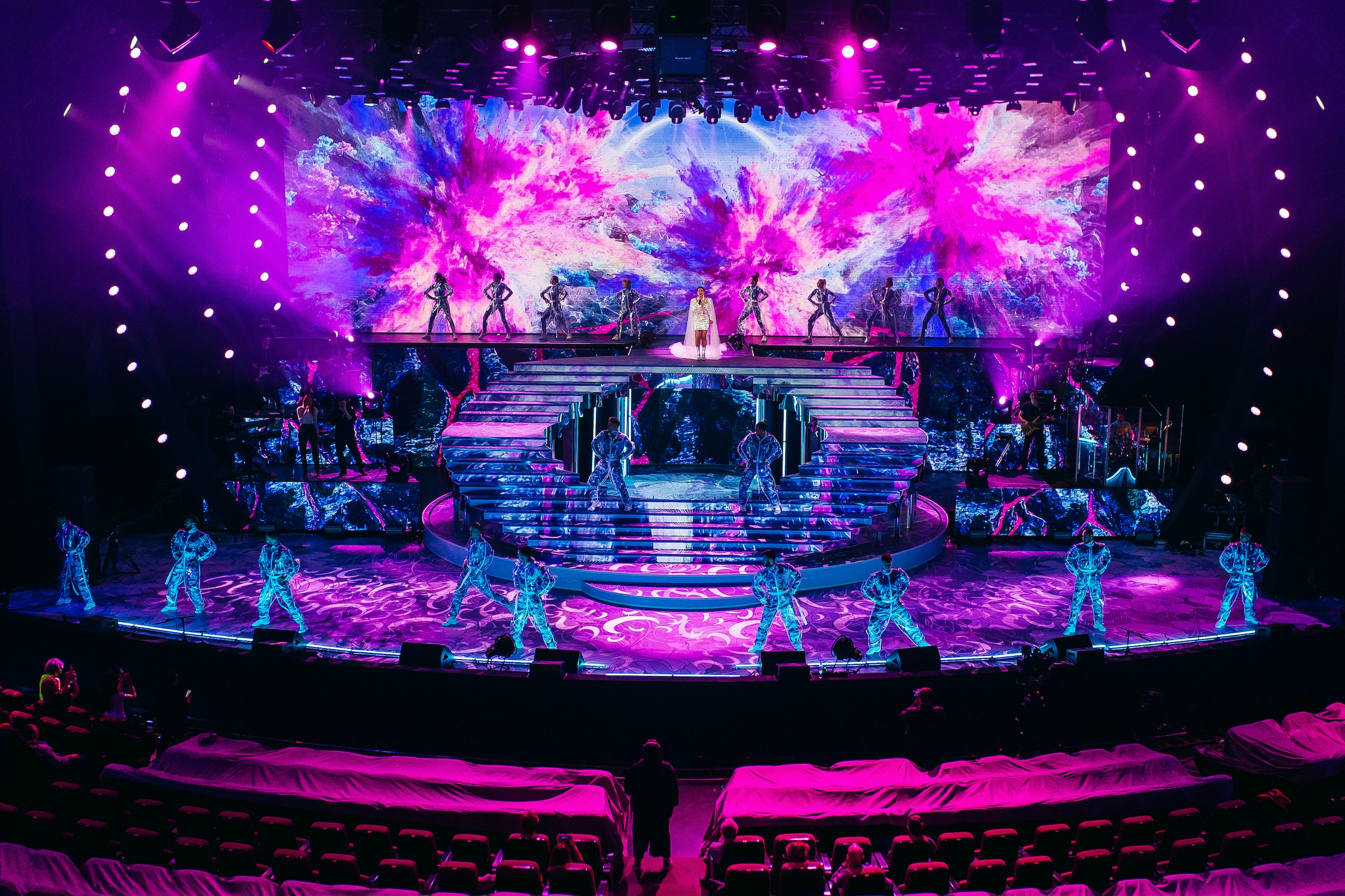
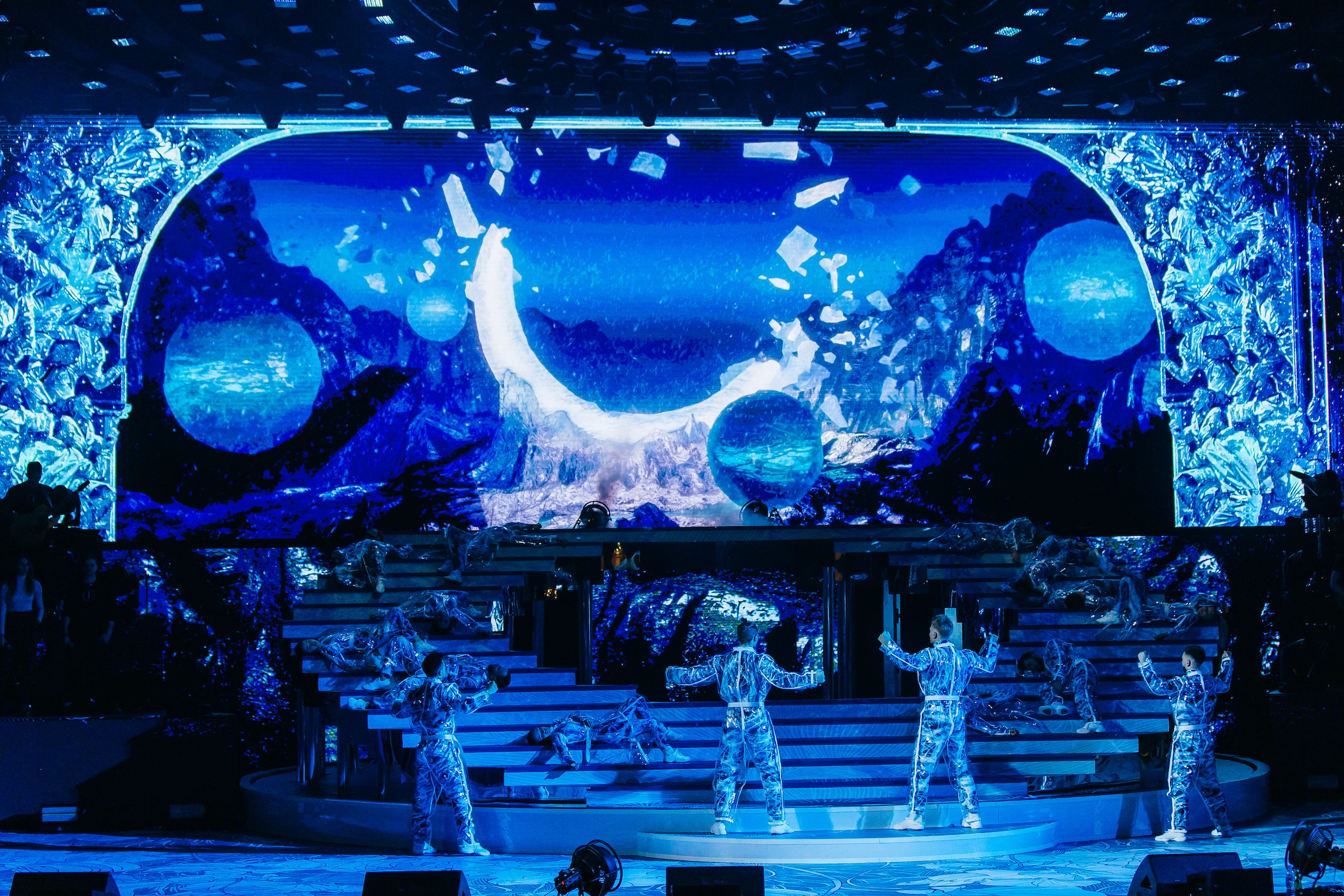
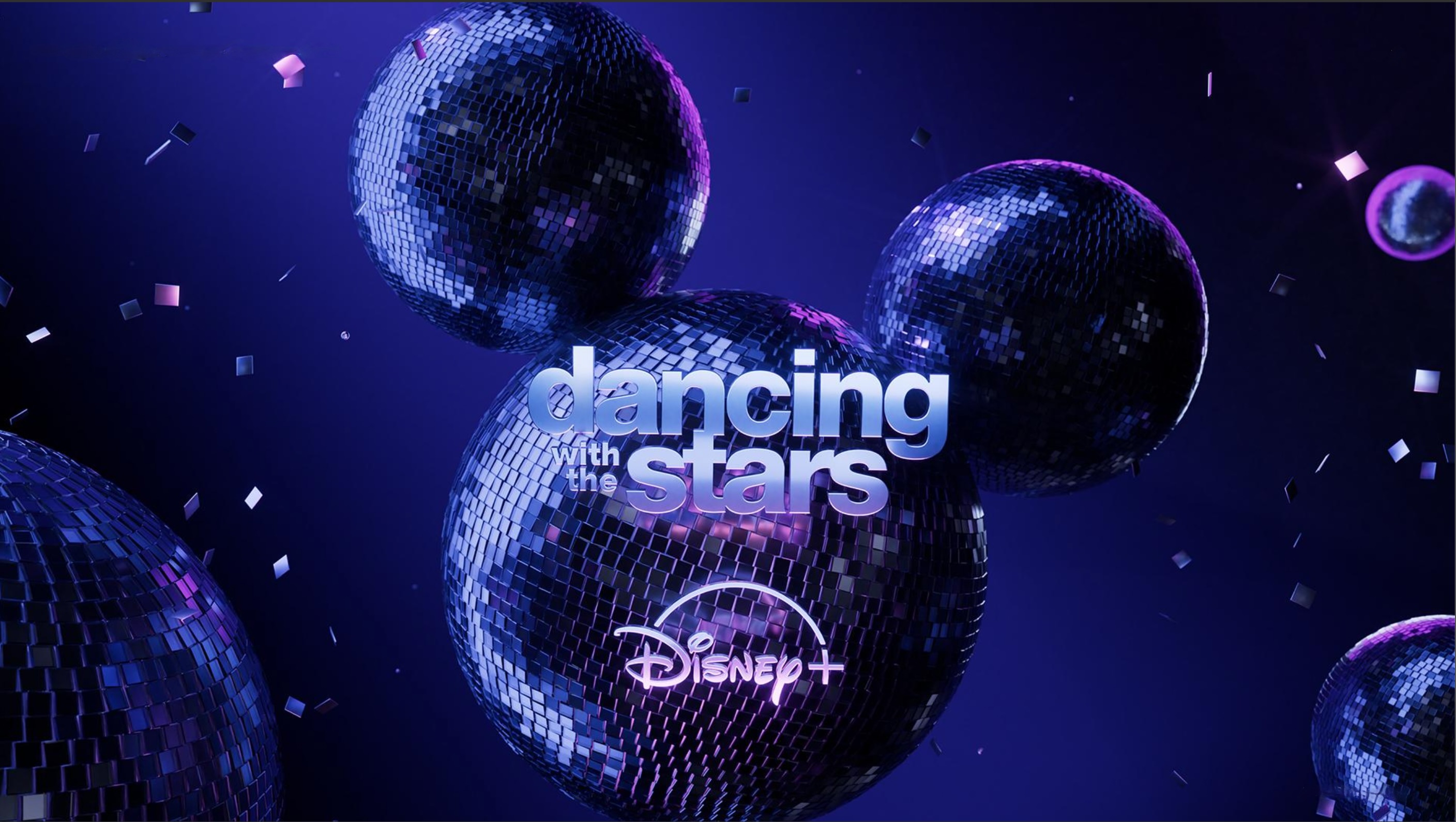
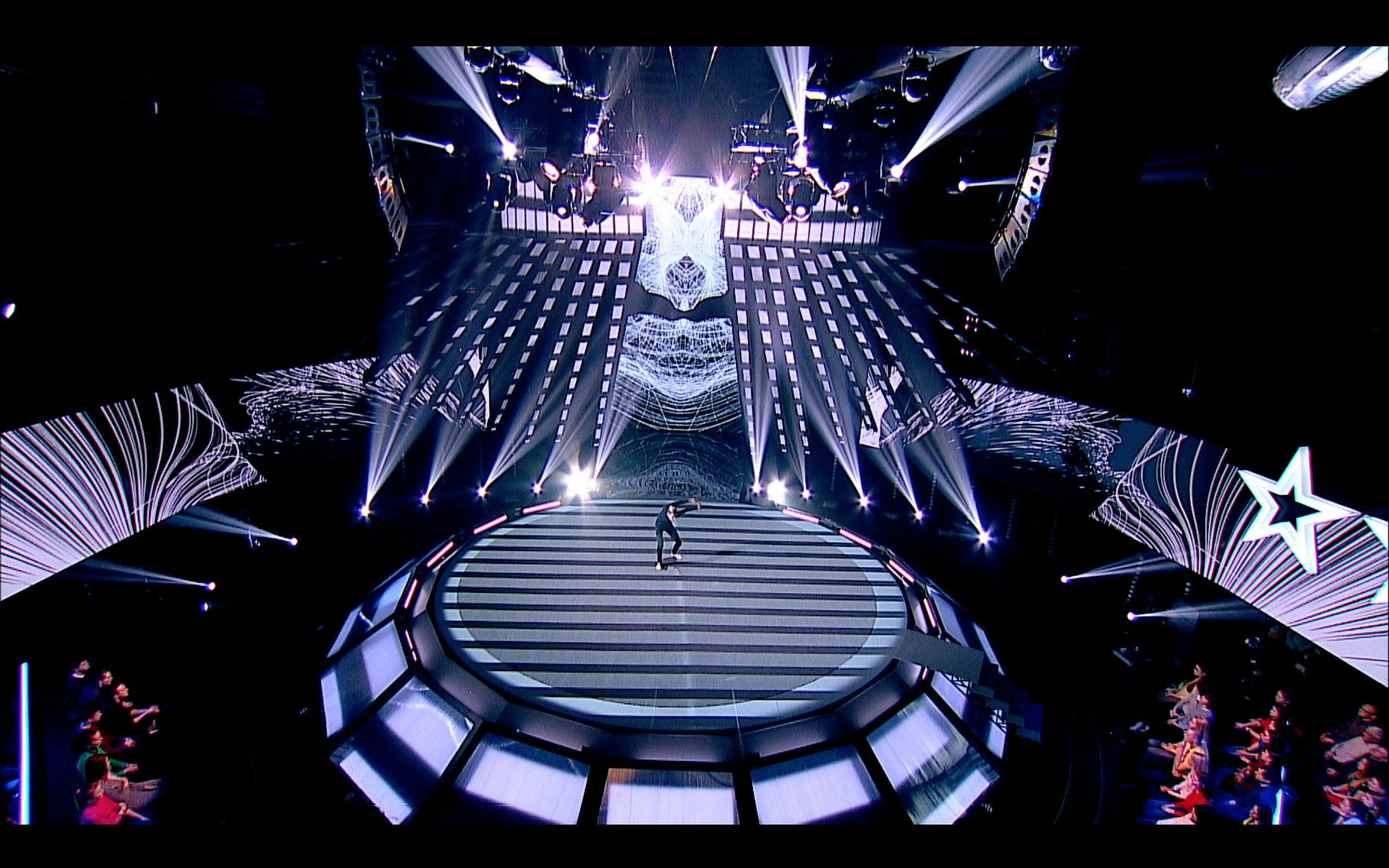
Dancing with the Stars — Design Concepts

2020

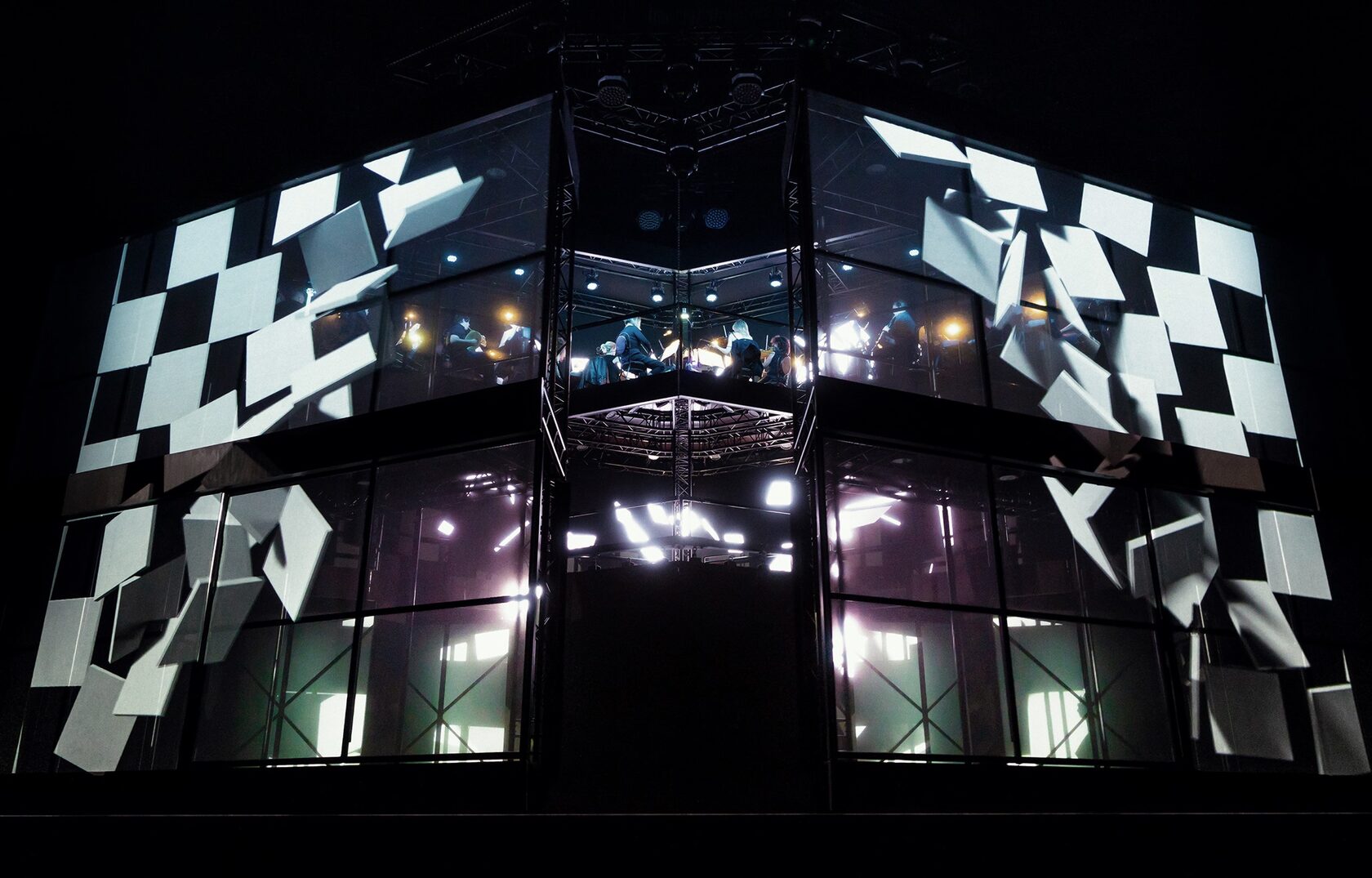
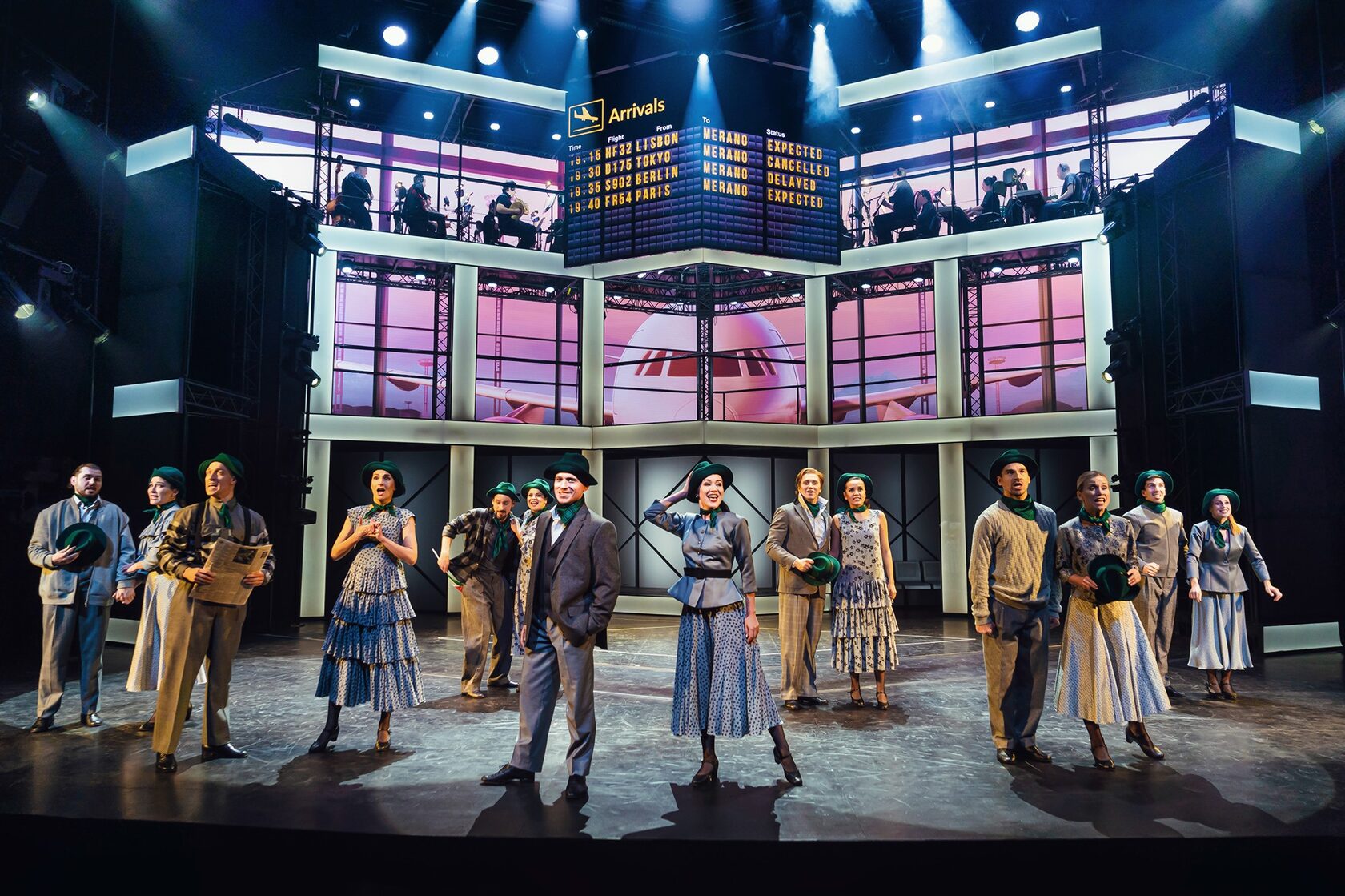
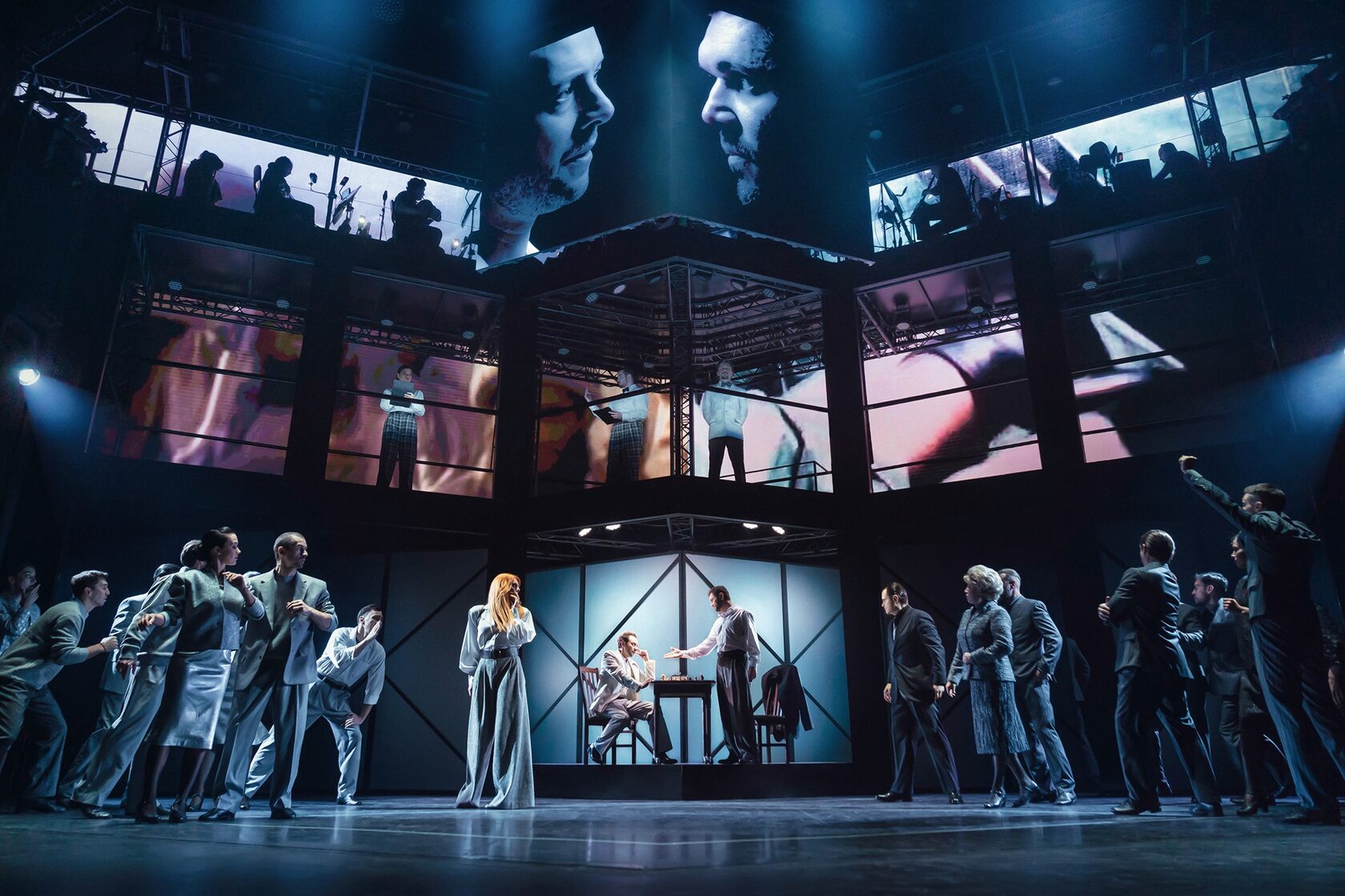
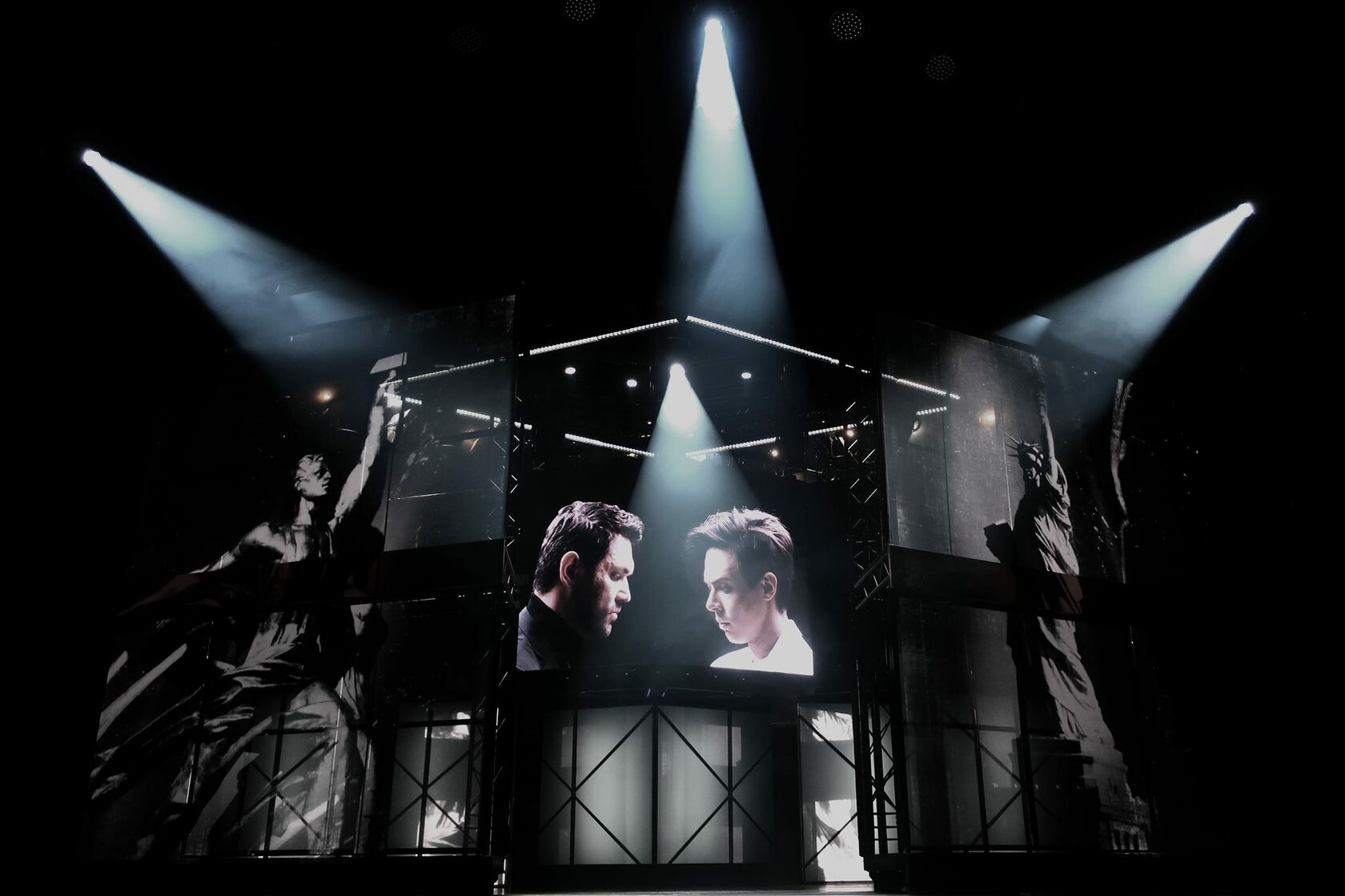
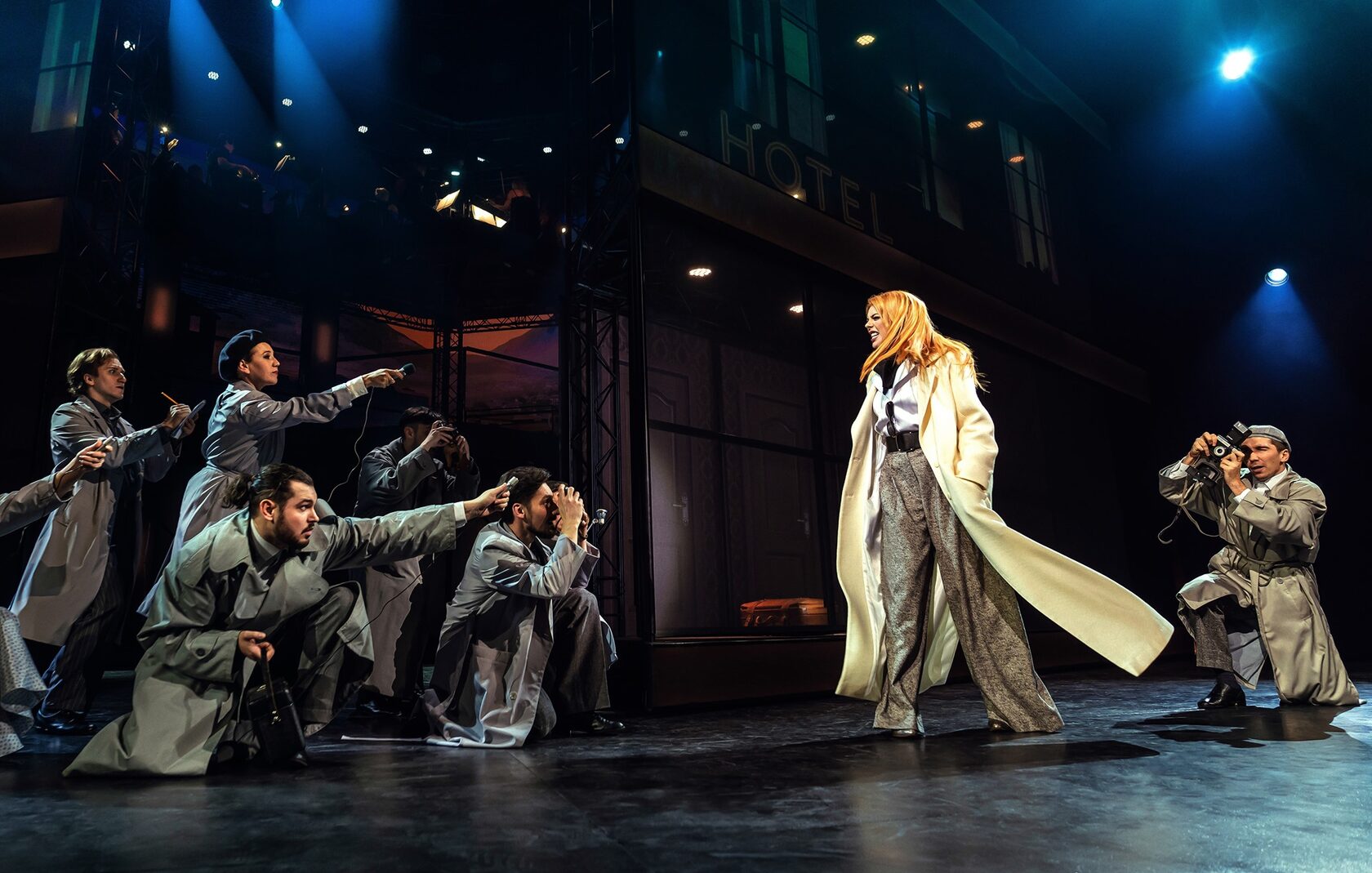
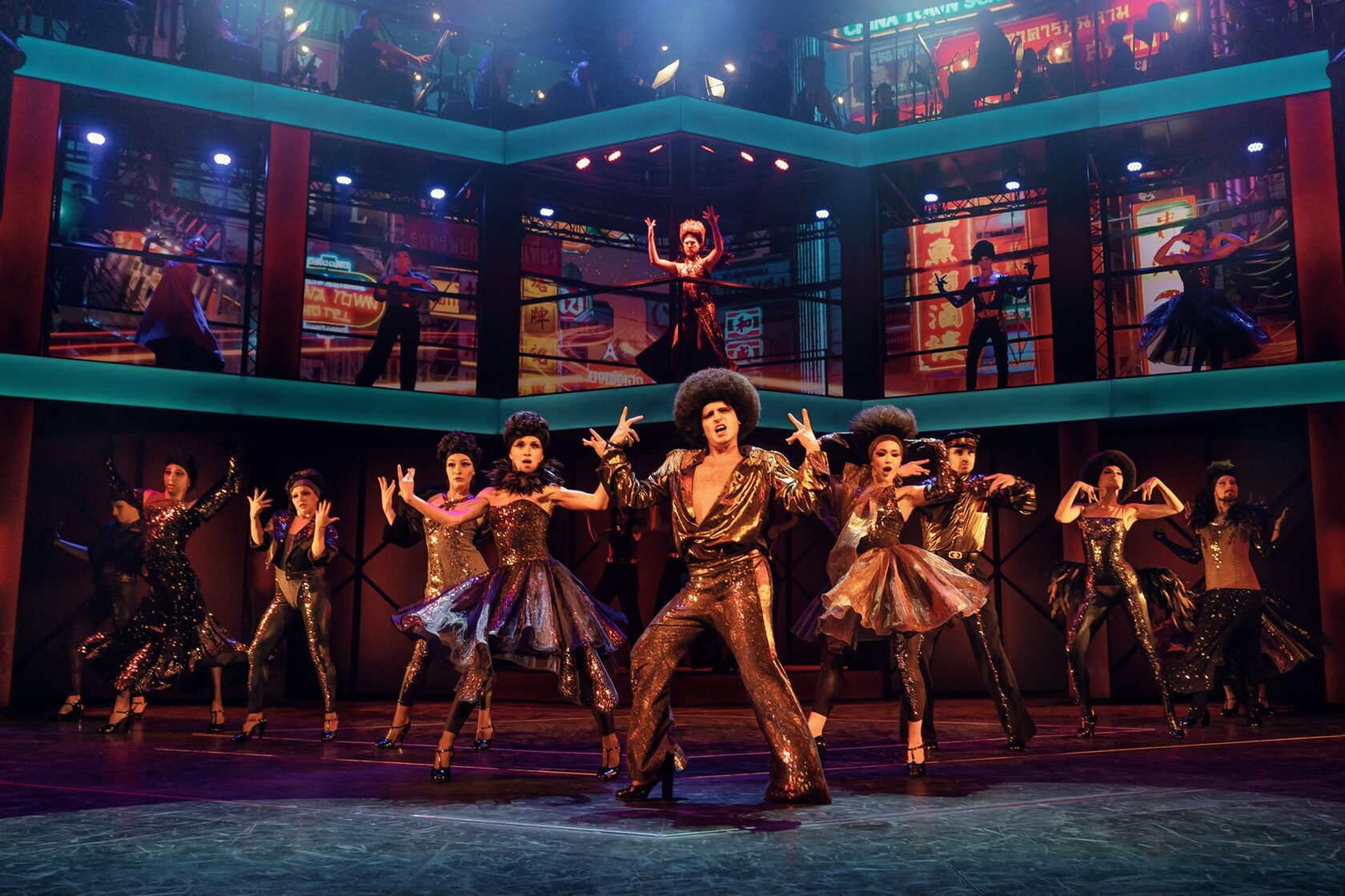
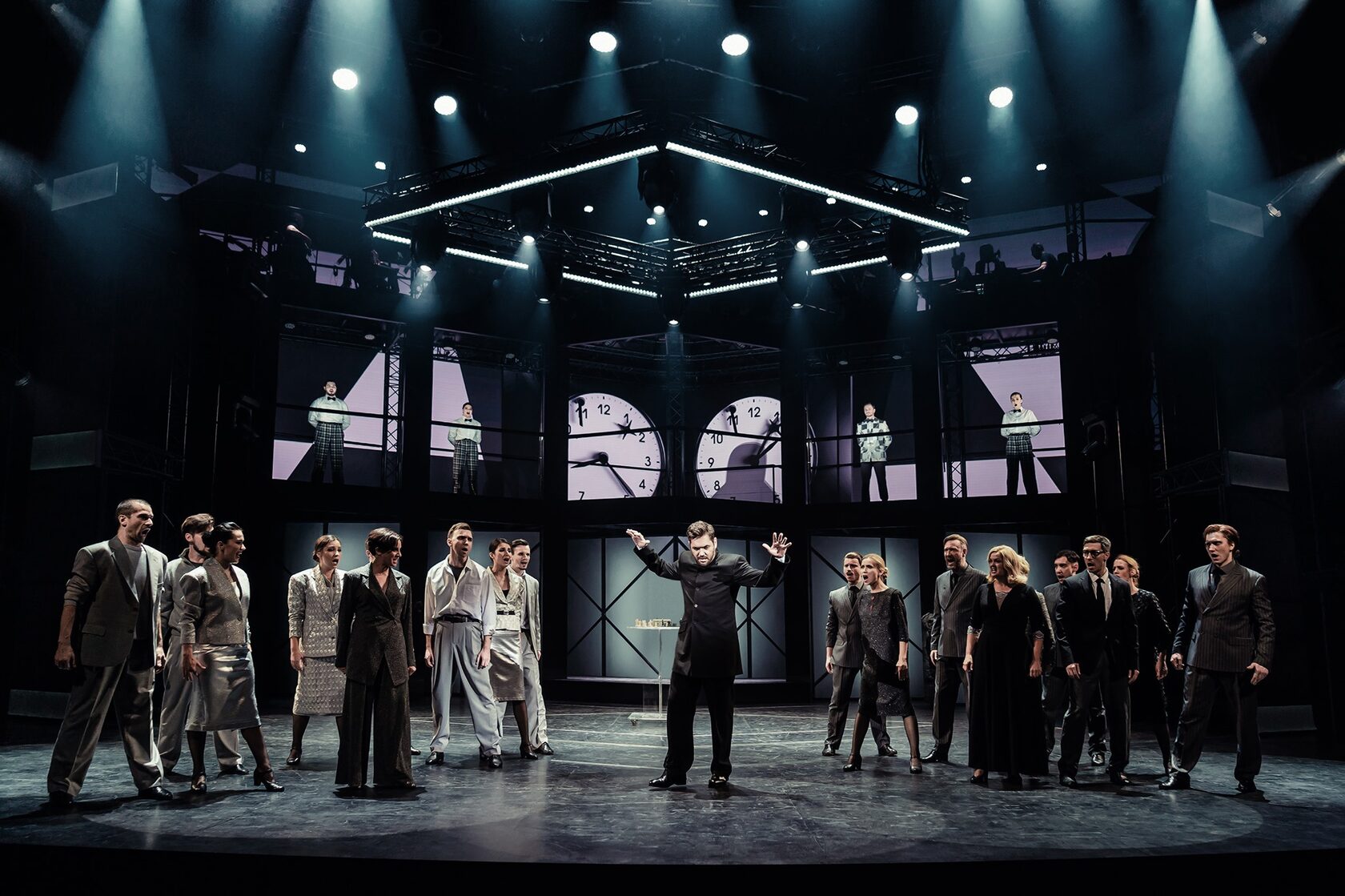
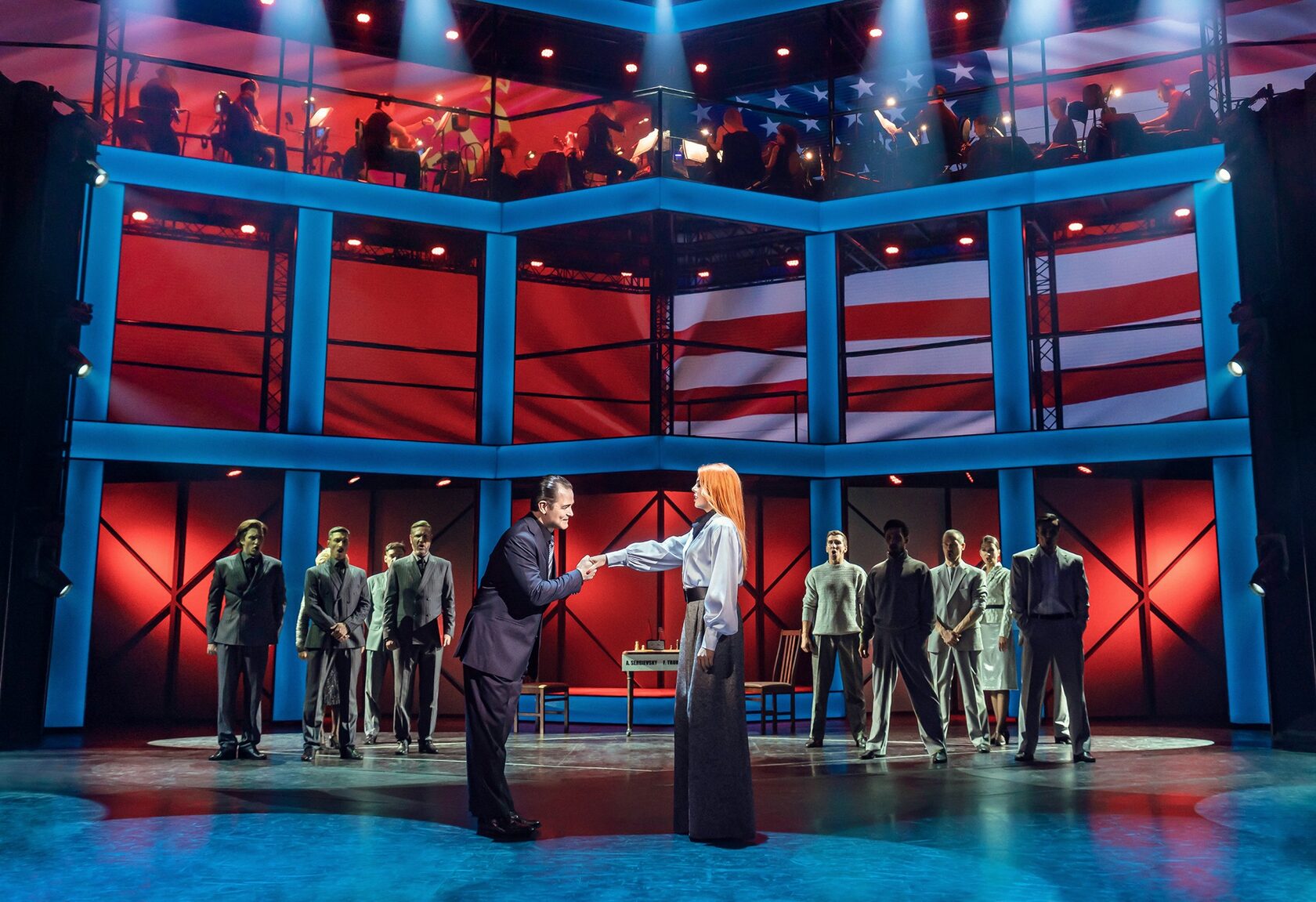
Chess the Musical Show

2016

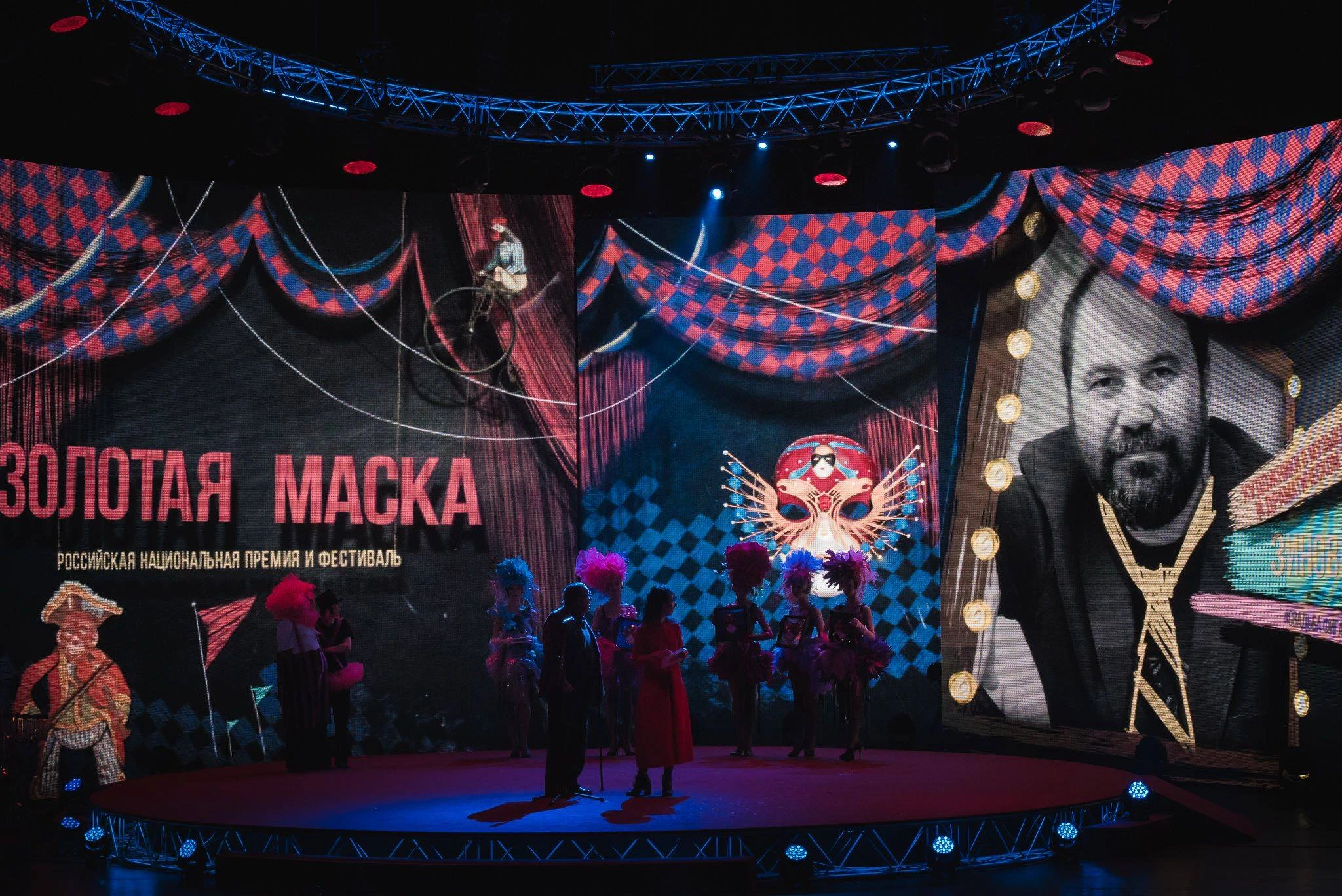
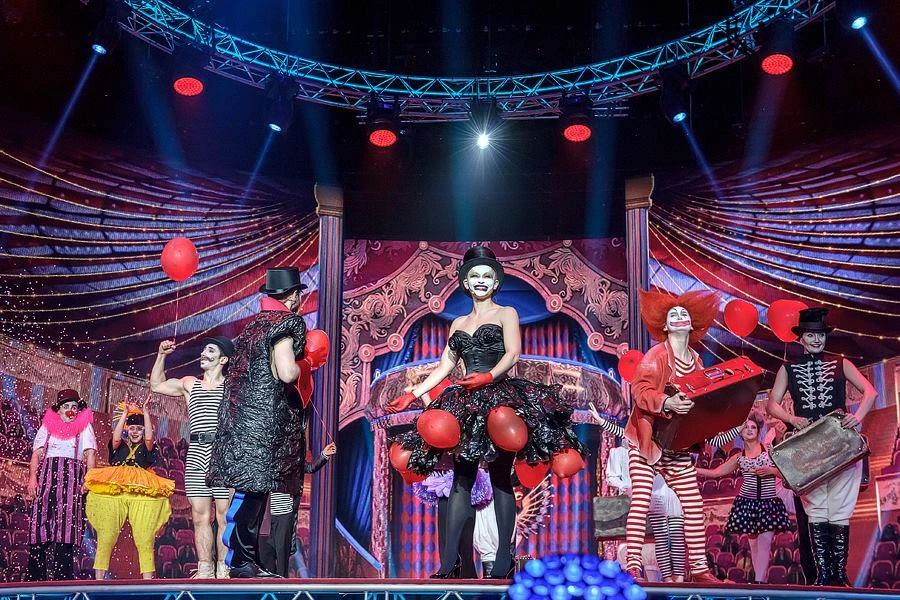
"The Golden Mask" — Theatrical Award Ceremony

2018

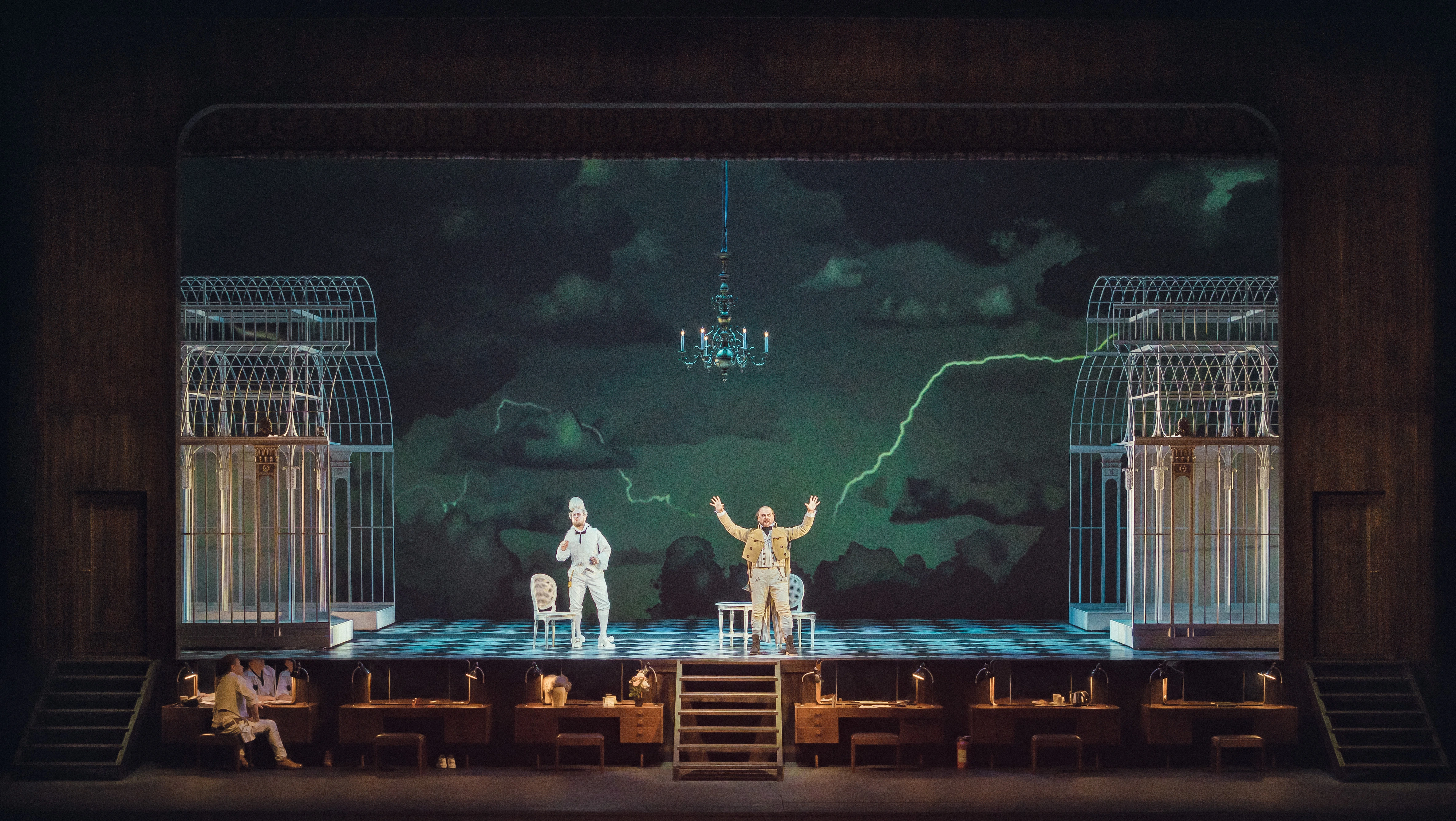
"The Barber of Seville" — The Bolshoi Theatre

2019

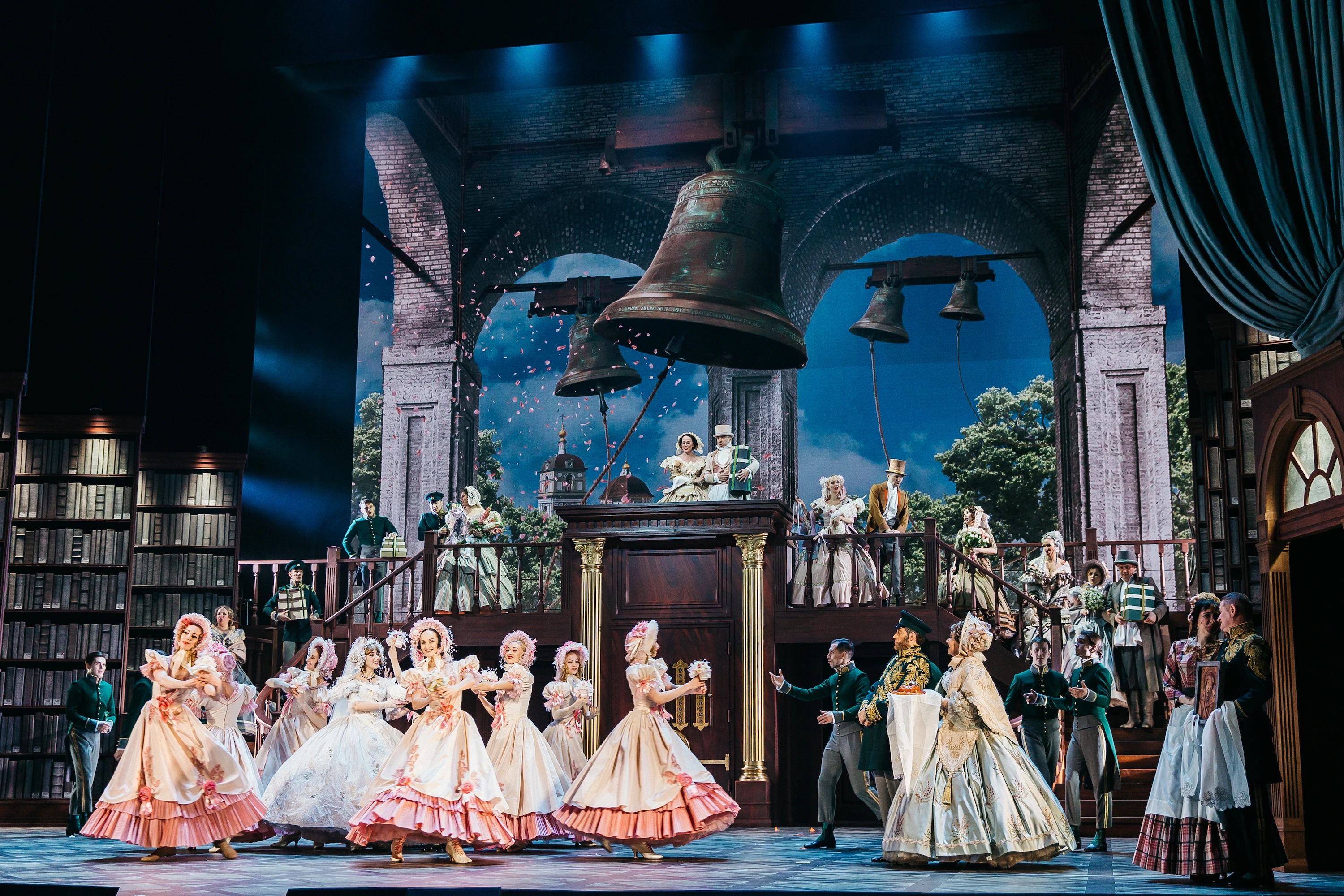
"A Profitable Position" — Moscow Operetta Theatre

2017

Concepts for Musical "The Ghost"

2023

Peter Opener

2023

Knowledge League

Get in touch

Let's work
together

I'm always open to discussing new opportunities, creative projects, and ways to bring your vision to life.

Email irravorobieva@gmail.com LinkedIn Connect with me WhatsApp Write me